
West Java Officially Enters Dry Season, BMKG Warns of El Niño Impact
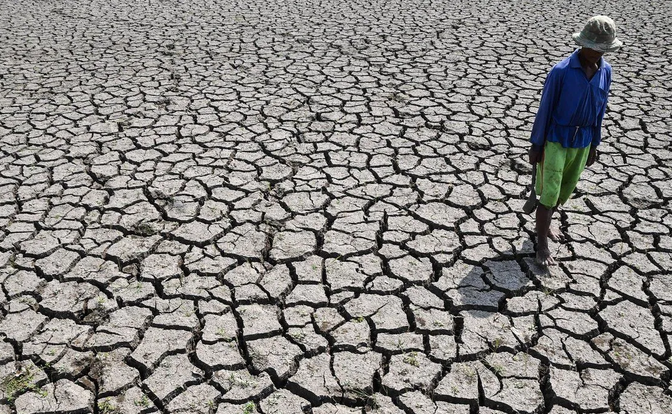
All regions in West Java have now officially entered the dry season. According to the latest data from the Meteorology, Climatology, and Geophysics Agency (BMKG) West Java Climatology Station this July, 98 per cent of the total 41 seasonal zones (ZOM) in the region are already in the dry phase.
Acting Head of the Bandung Class I Geophysics Station, Edi Wibowo, explained that of the dozens of existing seasonal zones, only one ZOM has a single-season type characteristic. Meanwhile, the rest have been confirmed to have entered the annual dry period.
“We can confirm that all ZOMs in West Java have entered the dry season and one ZOM is a single-season type,” Edi said when confirmed on Monday (20/7).
Edi predicts the peak of the dry season in West Java will occur between August and September. The weather characteristics during that period are expected to be much drier than the climatological average. This is due to rainfall projections being in the low or below-normal category.
“August is predicted to be the peak of the dry season,” Edi added. He also stressed that this year’s dry season will be accompanied by the El Niño phenomenon, which will worsen drought conditions.
Based on BMKG’s in-depth analysis, the likelihood of El Niño occurring this year is very significant. “Consequently, the duration of this year’s dry season in several areas of West Java is predicted to be longer, with below-normal rainfall characteristics,” he asserted.
In response to these extreme weather conditions, BMKG has urged the public to start using clean water wisely and conserve water for daily needs. Furthermore, stakeholders are asked to immediately take mitigation steps to minimise the impact of drought and the potential for forest and land fires (karhutla).
“For the forestry sector, anticipation and mapping of areas prone to forest and land fires must be carried out,” Edi concluded.