
West Java Moves to Cushion Economic Impact on 13,044 Workers Affected by Lay-offs
Bandung (ANTARA) – The West Java Provincial Government is intervening to mitigate the economic shock to people’s purchasing power caused by a wave of lay-offs affecting 13,044 workers between January and September 2026.
The measures include speeding up the disbursement of financial support through Job Loss Insurance (Jaminan Kehilangan Pekerjaan/JKP) and Old-Age Security (Jaminan Hari Tua/JHT), while accelerating the restoration of workers’ productivity to help maintain household consumption in West Java’s industrial areas.
West Java Manpower and Transmigration Agency head I Gusti Agung Kim Fajar said in Bandung on Wednesday that ensuring laid-off workers received their financial entitlements and social security benefits was a top priority to prevent a decline in family welfare.
“Coordination with BPJS Ketenagakerjaan is also under way to support workers’ access to Job Loss Insurance (JKP) and Old-Age Security (JHT) benefits in accordance with the applicable regulations,” Kim said.
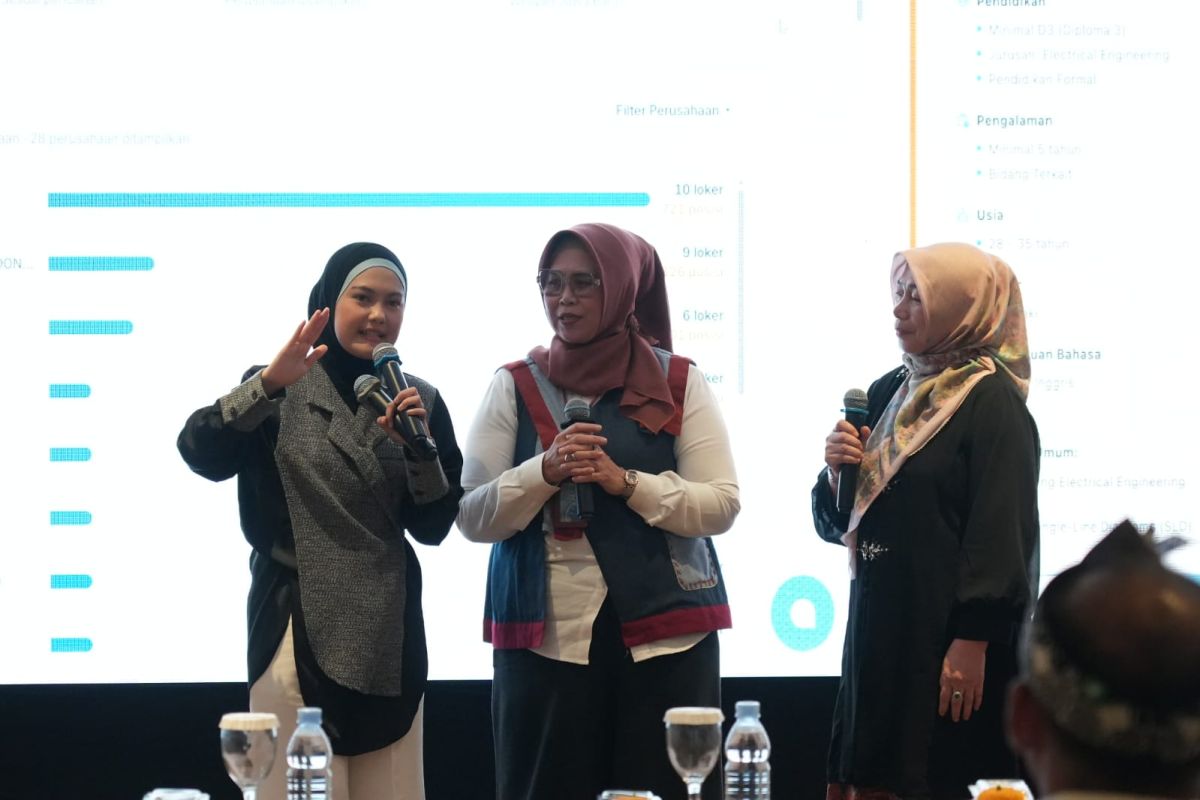
To quickly restore workers’ economic activity, he said, the provincial government was cutting recruitment bureaucracy and brokers’ fees by integrating the digital labour-market ecosystem through the Nyari Gawe application.
As of 9 October 2026, Nyari Gawe had brought together 704,121 jobseekers and 714 companies, listed 24,085 vacancies and helped 1,209 workers return to formal employment.
The government is also expanding recruitment efficiency through online job fairs streamed live on the official TikTok account of the West Java Governor, @dedimulyadiofficial.
Kim said that in four editions held by early October 2026, the online job fair had attracted 89 companies offering a total of 5,768 vacancies.
As a long-term strategy to mitigate changes in the industrial structure, the West Java Manpower and Transmigration Agency is directing laid-off workers towards the creative economy and higher-value manufacturing.
The government is providing vocational skills training in strategic fields, including automotive technology, manufacturing, welding, forklift operation, barista work and digital content creation.
Through Mobile Training Units (MTUs) and business mentoring programmes, laid-off workers are being encouraged to move from job-seeking to establishing independent businesses that can stimulate local economies.