
West Java Local Train Passengers Grow 67.95% in Three Years
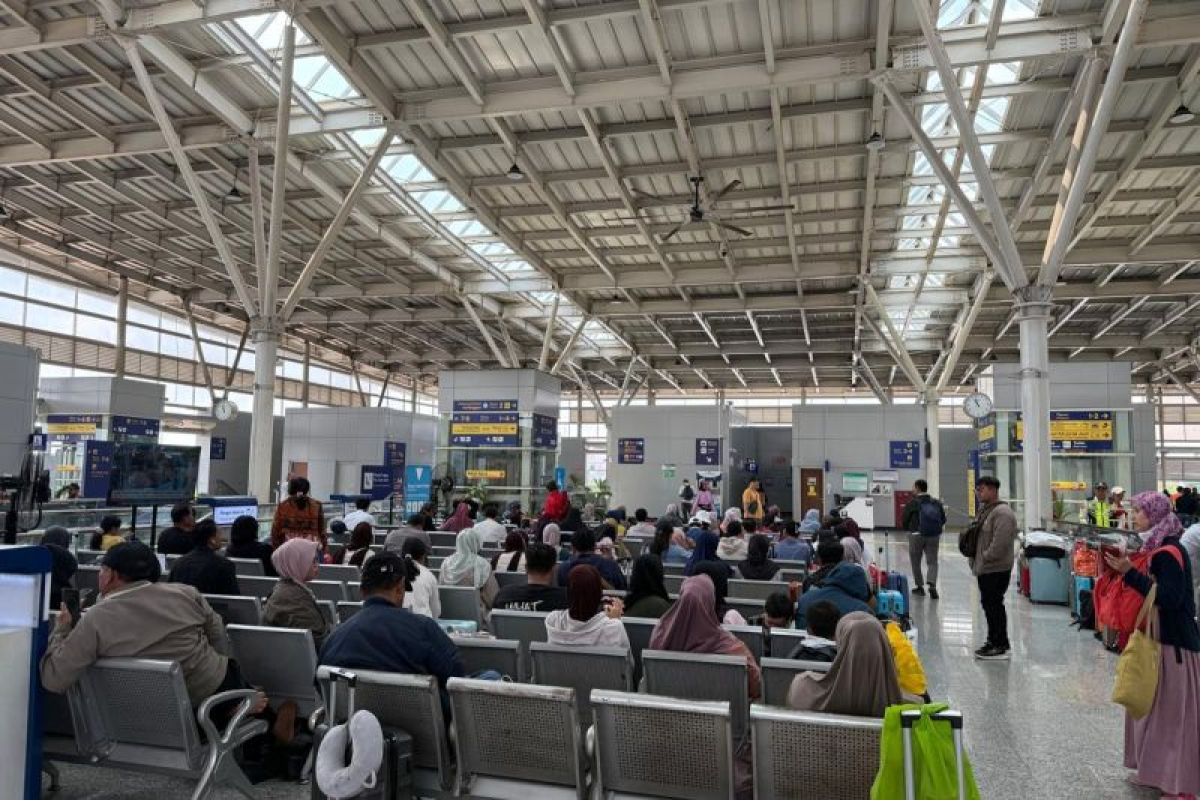
Jakarta (ANTARA) - Some journeys are not long in distance, but they determine many aspects of daily life. Trips to workplaces, campuses, schools, markets, hospitals, and public service centres form part of the daily routine for millions of people. In West Java, this need is supported by local train services that continue to develop and grow closer to community activities.
This role is reflected in the rising passenger numbers over recent years. According to KAI data, local train services covering Walahar, Jatiluhur, Garut/Cibatuan, and Bandung Raya served 11,150,189 passengers in 2022. The figure rose to 14,721,896 passengers in 2023, then 16,159,460 passengers in 2024, and reached 18,727,225 passengers in 2025. Over three years, passenger numbers increased by 7,577,036, or 67.95 percent.
This growth has continued into the current year. From January to May 2026, local train services in West Java served 8,425,230 passengers. This figure represents a 103.66 percent increase compared to the same period in 2022, which recorded 4,136,904 passengers. The rise indicates that more people are making the railway their primary choice for daily mobility needs.
KAI Vice President of Corporate Communication Anne Purba stated that local trains hold an important position in supporting community activities because they serve daily travel with high frequency and affordable fares.
“For many passengers, local trains have become part of their productive routine. The railway helps people reach workplaces, schools, trade centres, and public services with more predictable travel times and efficient transport costs,” Anne said.
During January to May 2026, the Bandung Raya local train recorded the highest passenger volume at 4,724,036 passengers. This figure demonstrates the service’s role as the backbone of community mobility in the Bandung area and its surroundings, supporting the daily movement of people in an urban region with continuously rising mobility levels.
Meanwhile, the Walahar local train served 1,807,649 passengers up to May 2026. Compared to the same period in 2022, which recorded 691,782 passengers, Walahar’s passenger volume increased by 161.29 percent. This growth indicates stronger community demand for rail transport connecting residential areas and centres of economic activity in the Karawang, Cikarang, and Purwakarta regions.
The Garut/Cibatuan service also showed consistent development. Up to May 2026, this service carried 1,317,737 passengers, rising from 615,111 passengers in the January–May 2022 period, or a growth of 114.23 percent. This increase illustrates the growing role of the railway in supporting community mobility in the East Priangan region while expanding access to economic, educational, and tourism centres.
The Jatiluhur local train recorded the highest growth rate. In January–May 2022, the service carried 67,843 passengers, whereas in January–May 2026 the figure reached 575,808 passengers. With growth of 748.74 percent, Jatiluhur exemplifies how rail services can open wider mobility access for the community and encourage increased use of rail-based public transport.
Anne added that the benefits of local trains extend beyond moving people from one place to another. The presence of these services helps communities save on travel costs, broadens access to job and education opportunities, and supports economic activity in the various regions along the railway lines.
“The passenger growth shows that the public is increasingly feeling the benefits of the railway in daily life. KAI will continue to maintain the reliability of local train services so that these benefits can be felt more widely by communities across West Java,” Anne concluded.