
West Java Legislator: Environmental Bylaw to Serve as Umbrella for Green Investment
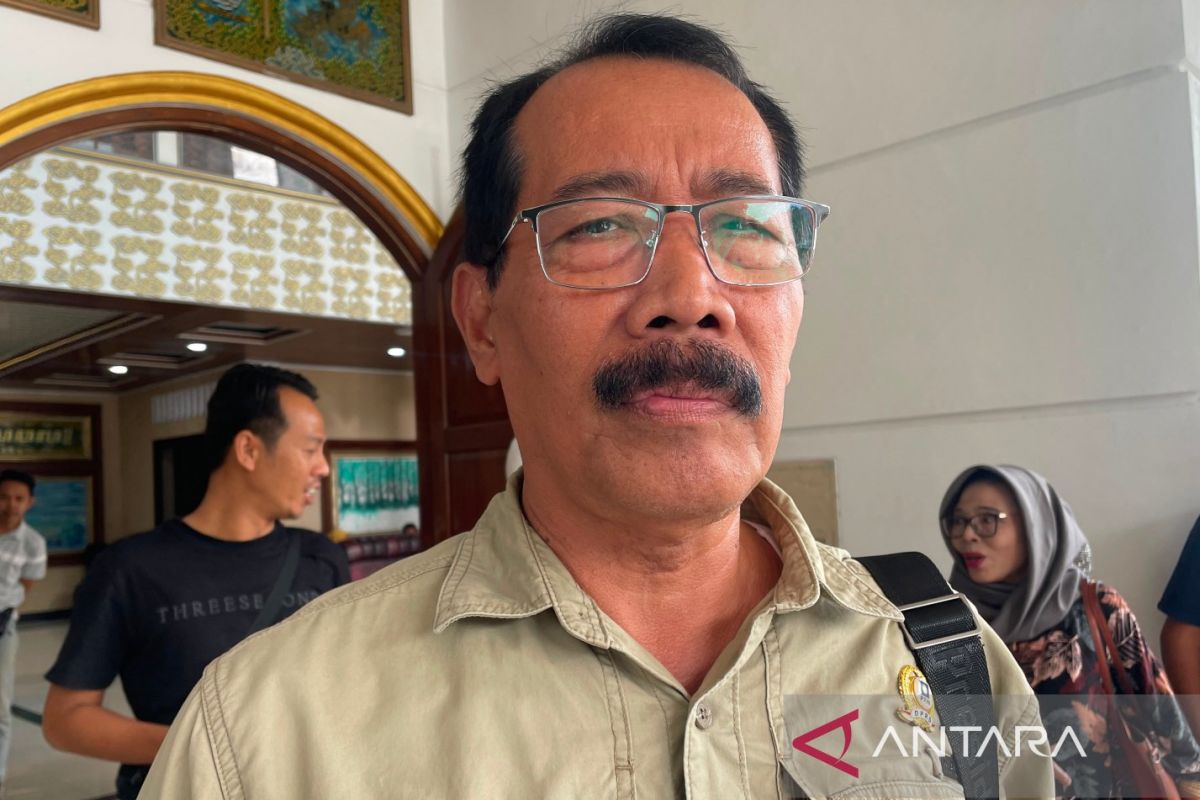
Kuningan (ANTARA) - West Java Regional House of Representatives (DPRD) member Toto Suharto has confirmed that the Draft Regional Regulation (Raperda) on the Implementation of Environmental Protection and Management is being prepared as a legal umbrella to ensure investment in the region proceeds in tandem with conservation efforts.
Speaking in Kuningan on Thursday, Toto said the regulation would serve as an instrument to create legal certainty for businesses while strengthening the protection of ecosystems and the public’s right to a healthy environment.
He stated that the discussion of the bylaw is a strategic step to guide economic development without neglecting aspects of environmental sustainability.
‘Through this new regulation, we want to ensure the environment remains protected. This includes issues related to class C mining, which falls under the shared authority of the Environmental Agency and the Energy and Mineral Resources Agency,’ he said.
He noted that any mining activity that damages river flows or causes environmental impacts must not be tolerated and should be subject to enforcement action.
He explained that the scope of the bylaw includes spatial planning oversight, environmental management, and the control of class C mining activities that have the potential to cause environmental damage.
According to Toto, the regulation is expected to provide certainty for investors who operate in compliance with the rules, while preventing business practices that harm the environment.
‘We must not allow incoming investment to destroy the nature that is Kuningan’s main strength,’ he said.
Toto assessed that environmentally conscious investment is one solution to reduce unemployment and poverty without sacrificing the region’s natural resource potential.
He cited the footwear industry in Kuningan Regency as an example of investment that can provide economic benefits, provided it meets all environmental requirements and does not cause pollution.
‘The function of regional regulations is to protect and provide welfare for the community, not to sacrifice their interests,’ he said.
He added that the public is expected to play an active role in reporting suspected pollution or activities that could potentially damage the environment, so that oversight of the bylaw’s implementation can be more effective.