
West Java Hajj and Umrah Office Appreciates UPI's 'UPI Berhaji' Programme
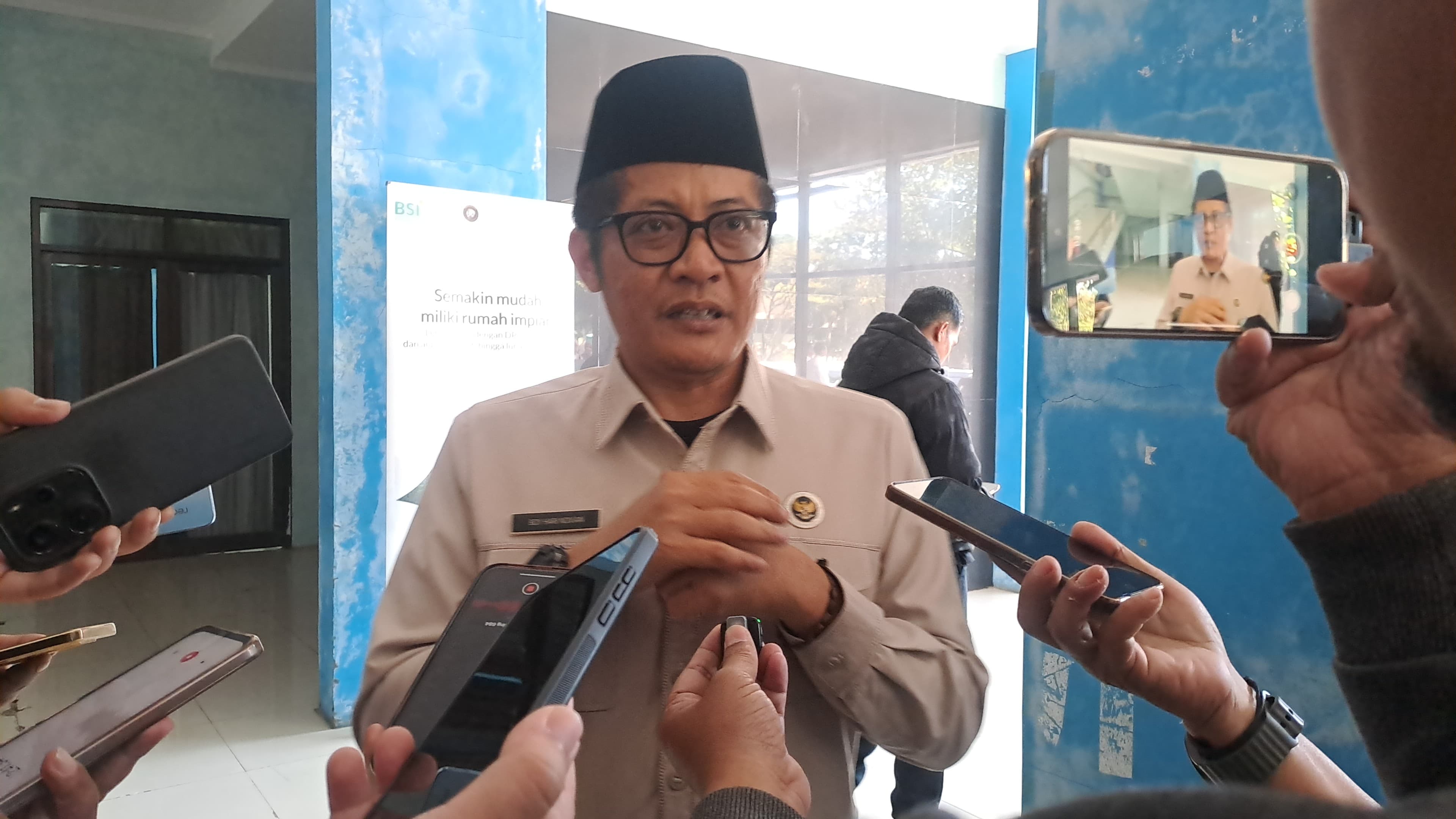
The Regional Office (Kanwil) of the Ministry of Hajj and Umrah in West Java has expressed its appreciation to the Indonesian University of Education (UPI) for launching the UPI Berhaji programme — a movement that not only encourages members of the academic community to fulfil the fifth pillar of Islam, but also builds character through the hajj pilgrimage.
“We applaud the UPI Berhaji movement, particularly as this programme is being carried out amid a decline in West Java’s hajj quota. To this day, West Java remains the province with the largest Muslim population in Indonesia,” said Boy Hari Novian, Head of the West Java Regional Office of the Ministry of Hajj and Umrah, on Wednesday (22/7).
According to Boy, although the number of hajj registrants still trails behind East Java and Central Java, this situation has influenced the setting of West Java’s hajj quota, which now stands at just 29,643 pilgrims and is confirmed to remain at this level until 2028.
“Collaboration with UPI is one strategy to broaden hajj literacy, particularly within the university environment. Besides encouraging people to register earlier, the government is also preparing to hold Inclusive Hajj in 2027 by strengthening services for the elderly and persons with disabilities,” he explained.
Boy added that companions will be provided in the Holy Land. Special manasik (pilgrimage ritual) guidance is already available prior to departure from Indonesia, and dedicated companions will be on hand there as well. This is being carried out in cooperation with the Disability Committee.
Meanwhile, UPI Rector Didi Sukyadi said the UPI Berhaji programme is not merely hajj socialisation, but part of a character education process that cannot be acquired through classroom learning.
“I firmly believe that the hajj is part of character development. That is why lecturers are being encouraged to perform the hajj. If lecturers have good character, they will naturally love their students more and provide education wholeheartedly, with sincerity and affection towards their students. Although the impact may not be immediate, God willing, it will benefit the entire UPI academic community,” he said.
According to Didi, education does not only take place in lecture halls, but also through life experiences that shape attitudes and character. “This activity is part of education — of character development, attitudes and moral conduct — by encouraging the academic community to perform the hajj. This is a form of education that cannot be obtained in the classroom.”
Looking ahead, Didi said UPI hopes that more lecturers, education staff and members of the academic community will begin planning their hajj journeys. In practice, they will be assisted and supported so that their aspirations can be realised.
Through this collaboration, the West Java Regional Office of the Ministry of Hajj and Umrah is not only pursuing an increase in the number of hajj registrants in the province with Indonesia’s largest Muslim population, but is also turning the campus into a space for building awareness that the hajj is a spiritual investment with an impact on character formation — whilst simultaneously contributing to efforts to make the hajj increasingly inclusive in the years to come.