
West Java Governor Highlights Cipatat Mining Exploitation and Environmental Damage
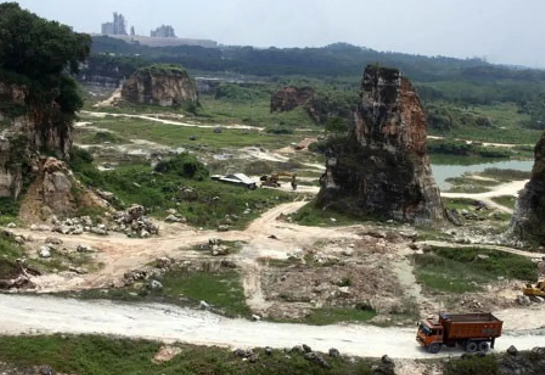
The Cipatat area in West Bandung Regency, West Java, is under intense scrutiny due to massive but problematic natural resource exploitation. Field findings indicate that mining practices in the region not only disregard legal aspects but also violate the basic rights of workers and threaten the sustainability of the local ecosystem.
The issue came to light after West Java Governor Dedi Mulyadi conducted a direct inspection of the area. In a statement in Bandung on Wednesday (15/7), he revealed systemic violations committed by a dozen mining companies operating there.
One of the most crucial findings from the inspection was that many companies were operating without clear legal permits. Checks on more than 11 companies found that the majority were not officially registered with the relevant agencies.
This lack of licensing directly impacts worker protection. The mining labourers in Cipatat are suspected of working well below the welfare standards mandated by law. Several labour law violations were discovered, including the absence of health insurance and old-age benefits.
‘I toured Cipatat. First, many companies are not registered. Second, employees are not paid according to regulations. There is no health insurance, no old-age benefits. I checked more than 11 companies,’ Dedi Mulyadi asserted.
Beyond labour issues, irresponsible limestone mining activities have altered the environmental landscape of Cipatat. The governor highlighted the thick limestone dust now blanketing the area, which has the potential to broadly disrupt public health.
Even more concerning is that reckless exploitation has damaged the geological structure of the region’s limestone mountains. Dedi warned of the potential for landslides or mountain collapse due to mining patterns that prioritise output without regard for structural stability.
‘The mountain looks neat from the front, but try looking inside. The base has been extracted, so it could potentially collapse,’ he said, describing the hidden damage not visible from the main road.
In response to these findings, the West Java Provincial Government has prepared a series of mitigation measures to ensure that law enforcement does not come at the expense of the workers’ livelihoods. The governor stressed that action against rogue companies must be accompanied by solutions for the common people. ‘I want to identify how many employees there are first. I don’t want to take enforcement action and then leave the employees jobless. Later, I will redirect the employees to other sectors that need them,’ he concluded.