
West Java Governor expands insurance protection for fishermen
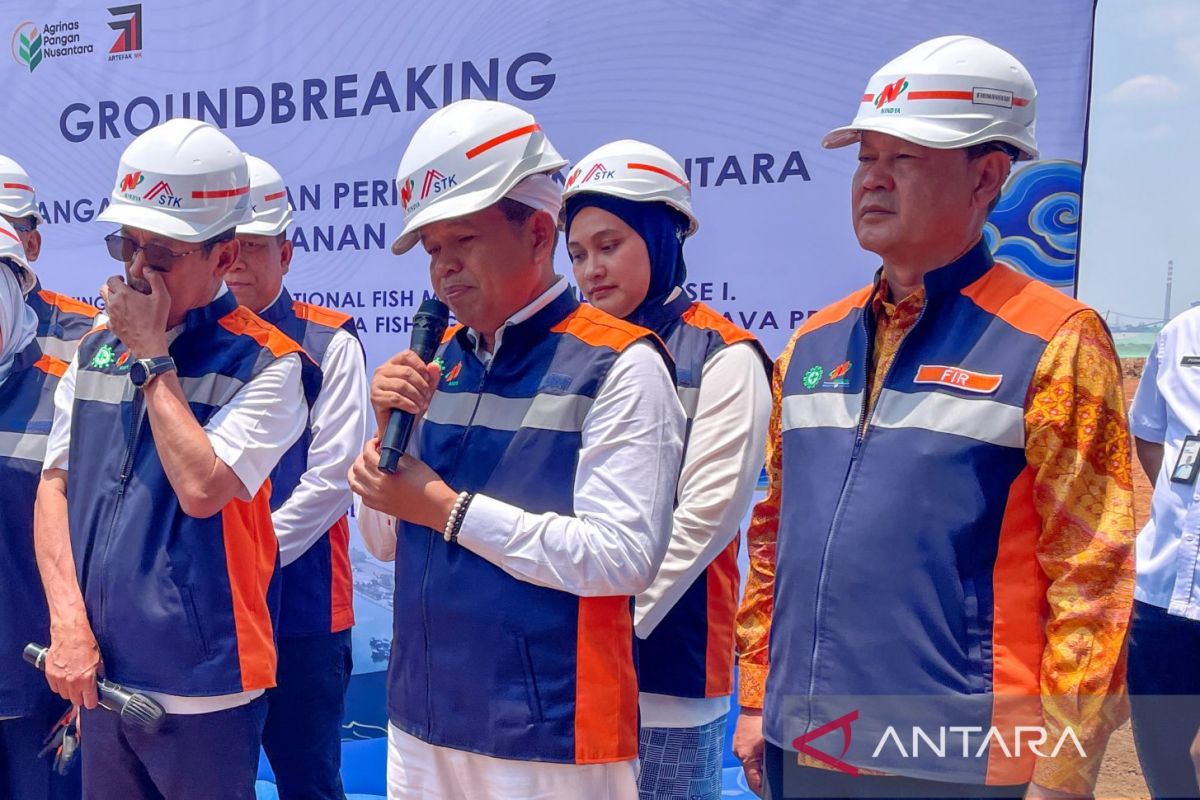
West Java Governor Dedi Mulyadi has emphasised that the West Java Provincial Government is expanding insurance protection for fishermen, including those in Cirebon, as part of an effort to provide health guarantees to workers.
Speaking in Cirebon, West Java, on Thursday, Dedi stated that the protection programme currently covers one million farmers, fishermen, and informal workers, with plans to expand this to four million people by 2027.
“By 2027, this will be increased to four million. This will include fishermen in Cirebon City, Cirebon Regency, and all fishermen along the north coast. I have requested the Head of the Marine Affairs Office to immediately prepare adequate data,” he said.
He noted that data collection for fishermen across West Java is essential to ensure comprehensive insurance coverage, which will be funded by the West Java Provincial Government in collaboration with regency and municipal governments.
According to Dedi, the health protection within the programme covers all diseases as per the regulations, while fishermen who suffer work-related accidents will receive compensation and protection.
“If there is a death benefit, it extends to the children receiving scholarships until they complete their university studies,” he added.
He also urged fishermen to manage their income from fishing activities wisely, including setting aside earnings for savings to support their families’ livelihoods.
Beyond fisherman protection, Dedi emphasised that marine sustainability must be a priority, as the condition of the sea is linked to development and environmental management in upstream areas.
“Mountains must be managed, and the sea must be protected. These two things are often interconnected,” he said.
He explained that damage to mountainous areas can cause sedimentation in rivers, while waste and rubbish carried by river flows eventually end up in the sea, disrupting aquatic ecosystems.
Dedi stated that the West Java Provincial Government aims to pioneer the use of biodegradable plastics to reduce the amount of waste entering the ocean, as such debris can kill plankton and cause fish to be exposed to microplastics.
He added that marine development is not solely related to fisheries but also encompasses tourism development, meaning coastal areas require a clean environment and well-organised infrastructure.
“The presence of the state is to move towards large-scale initiatives and protection,” he concluded.