
West Java Government and PWI to Hold Free Journalist Competency Tests for 200 Participants
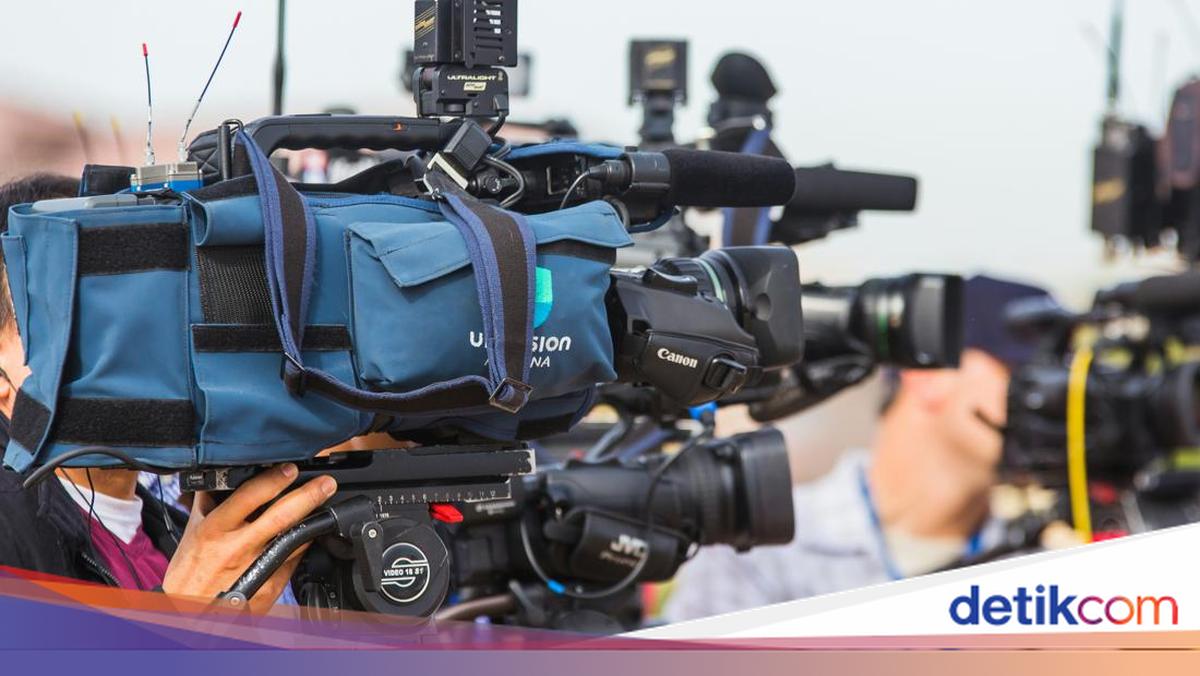
The West Java Communication and Informatics Office (Diskominfo) is collaborating with the Indonesian Journalists Association (PWI) of West Java to hold the 74th, 75th, and 76th batches of the Journalist Competency Test (UKW). The examination is being attended by 200 participants across two locations: Bandung and Majalengka.
In Bandung, the activity took place at the PWI West Java Sports Hall on Jalan Wartawan II Number 23 on 24-25 June 2026, with 100 participants taking part. Meanwhile, the UKW in Majalengka is scheduled for July 2026, and the participant selection process remains open for a quota of 100 people. Journalists taking the UKW are not charged any fee.
The UKW is open to all active journalists who have worked for a minimum of two years in accordance with Article 1 of Law No. 40 on the Press. Participants must also be currently employed by a legally incorporated press company, as stipulated in Article 9 paragraph 2 of the Press Law, and be actively carrying out journalistic duties.
Head of the West Java Communication and Informatics Office, Adi Komar, stated that collaboration with PWI has been carried out frequently, including the implementation of the UKW. “This collaboration is certainly to further improve the capacity of journalists working in the West Java region,” Adi Komar said in a written statement on Thursday (25/6/2026). He added that journalists are important partners in disseminating the performance and main programmes of the West Java Provincial Government to the wider public. “I hope participants take the UKW seriously so they can pass the exam and become journalists with official certificates from the Press Council,” he said.
Acting Chairperson of PWI West Java, Ahmad Syukri, said the UKW is a strategic programme to improve members’ competence while maintaining the quality of journalistic work. According to him, the UKW aims to measure journalists’ professionalism, improve the quality of journalistic products, and strengthen the application of the Journalistic Code of Ethics in daily practice. “The main goal of the UKW is to maintain public trust and convince the public and sources that the information conveyed by journalists is valid, accurate, and accountable,” Ahmad Syukri stated.
He explained that the UKW also serves as a career evaluation instrument for journalists and media companies. “The UKW can be a benchmark for media companies in assessing journalist competence, including for job promotions up to the position of editor-in-chief,” he said. Furthermore, the UKW functions as a professional standard to protect journalists from abuse of authority and to minimise violations of the code of ethics. “The UKW also provides legal protection because it ensures journalists have a basic understanding of legal and ethical aspects when carrying out reporting duties in the field,” he concluded.