
West Java DPRD Gives Green Light to Explore Renaming Province to Tatar Sunda
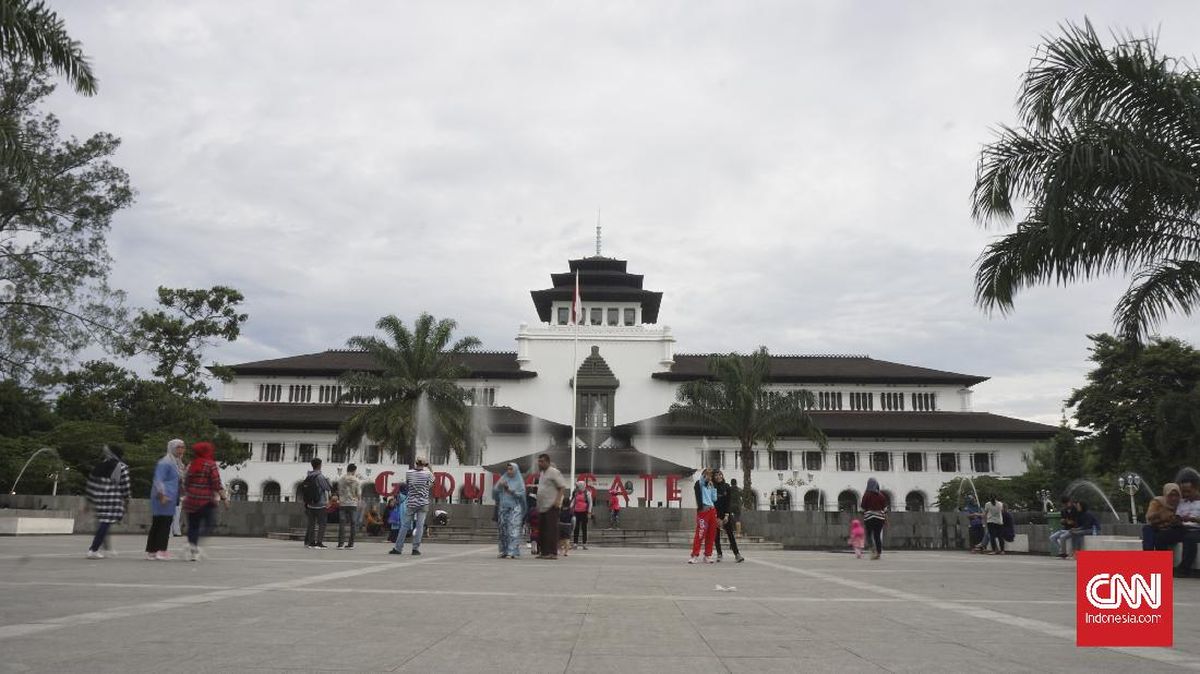
The proposal to change the name of West Java Province to Tatar Sunda has entered a new chapter after all factions in the DPRD officially gave the green light to proceed with the initiative to the next legislative stage. The agreement was reached during a hearing between Commission I of the West Java DPRD and a group of academics, cultural figures, and Sundanese historians in Bandung last week. Further discussion will now await a decision from the DPRD leadership and the central government. Chairman of Commission I of the West Java DPRD, Rahmat Hidayat Djati, explained that the discussion of the name change proposal is not without reason. According to him, one of the primary considerations for advancing the aspiration to the legislative stage is to safeguard the Sundanese cultural identity, which is perceived to be increasingly eroded. “The urgency is that the identity of the Sundanese people is threatened with extinction,” he said on Monday. Rahmat stressed that the council’s acceptance of the proposal does not equate to immediate approval of the provincial name change. He explained that the current stage merely provides space for the public aspiration to be studied through the applicable legislative mechanism. He noted that the proposal to change a region’s official name is not new in Indonesia, stating that the discourse has a long history, even dating back to the early days of the republic. On that basis, the DPRD deemed the proposal worthy of official discussion through the drafting of an academic paper, comprehensive studies, and other legislative stages before a decision is made. Rahmat acknowledged that a name change would carry budgetary consequences, but he stressed that the financial aspects would be calculated carefully if the proposal is eventually approved, with costs to be covered by the regional budget.