
West Java DPRD Deputy Speaker Rejects Public School Fees, Urges Budget Optimisation
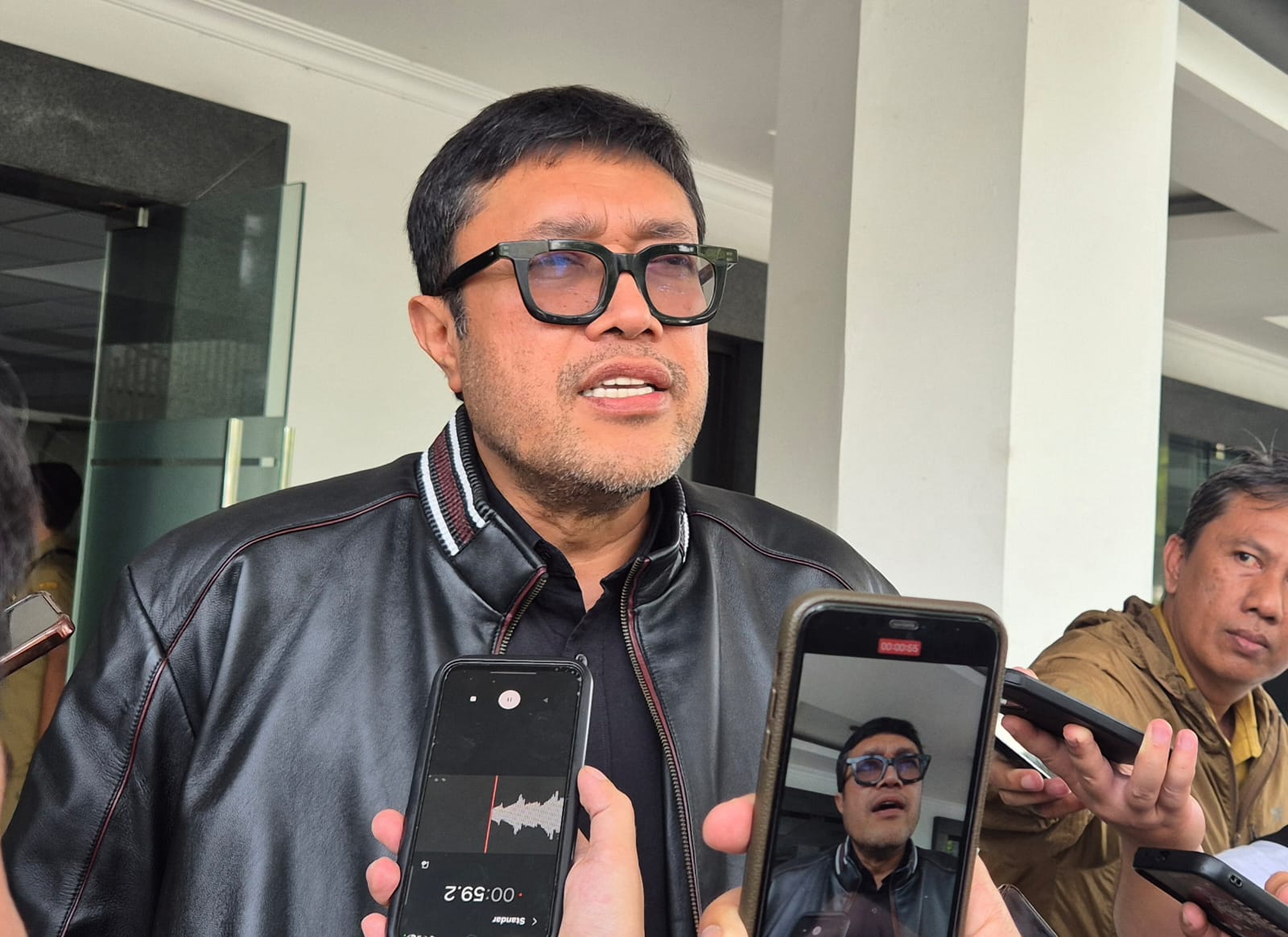
A number of parties have proposed reintroducing Sumbangan Pembinaan Pendidikan (SPP), or education development contributions, at state schools. The proposal has been opposed by Ono Surono, Deputy Speaker of the West Java Provincial Parliament.
According to him, basic and secondary education is a citizens’ right that must be guaranteed by the government through education budget allocations, rather than being charged to the public.
He added that the rules on education financing are already governed by the National Education System Law, which obliges the government to allocate at least 20% of the state and regional budgets to the education sector.
Moreover, the government has an obligation to run the 12-year compulsory education programme, so students attending state schools are entitled to education services free of charge.
“If there are still inadequate facilities at state schools, it is the responsibility of the government and the state to meet those needs, not to charge SPP to the public again,” said the Chair of the West Java chapter of PDI Perjuangan on Thursday (16 July).
CATEGORISED AS LOW-INCOME
Ono Surono also questioned the proposal to apply SPP to households in the 6th to 10th income deciles.
According to him, the welfare data used as the basis for such groupings is still not entirely accurate.
He noted that many residents who are in fact poor are recorded in higher decile groups, so they neither receive social assistance nor have had their BPJS Kesehatan health insurance membership deactivated.
“This means there is no guarantee that people in deciles 6 to 10 genuinely have the economic capacity to pay SPP. The existing data still leaves many problems,” he said.
As a solution, Ono urged both central and regional governments to optimise the fulfilment of the 20% mandatory education spending so that all state school needs can be met.
“That budget must be prioritised for building classrooms, laboratories, sports facilities, places of worship, as well as school operational needs and teacher welfare,” he stated.
Not only state schools — Ono also called on the government to provide greater support to private schools through assistance with classroom construction and the improvement of education facilities.
He added that the West Java Provincial Parliament will continue to ensure that the provincial regional budget (APBD) is focused on meeting education needs at the senior secondary, vocational and special education school (SMA, SMK and SLB) levels, which fall under provincial government authority, including the provision of learning facilities, school operational costs, and the needs of both civil servant and contract teachers.
“Our focus is to ensure that all the needs of state schools in West Java can be met through the regional budget, so that the public’s right to quality and free education is truly realised,” Ono affirmed.