
West Java DPRD Commission V to Discuss Private School Scholarship Policy
Garut (ANTARA) - The West Java Provincial Legislative Council’s (DPRD) Commission V will soon hold a meeting to discuss the policy of providing scholarships for students in private schools, summoning the Education Office to discuss budget sources and mechanisms.
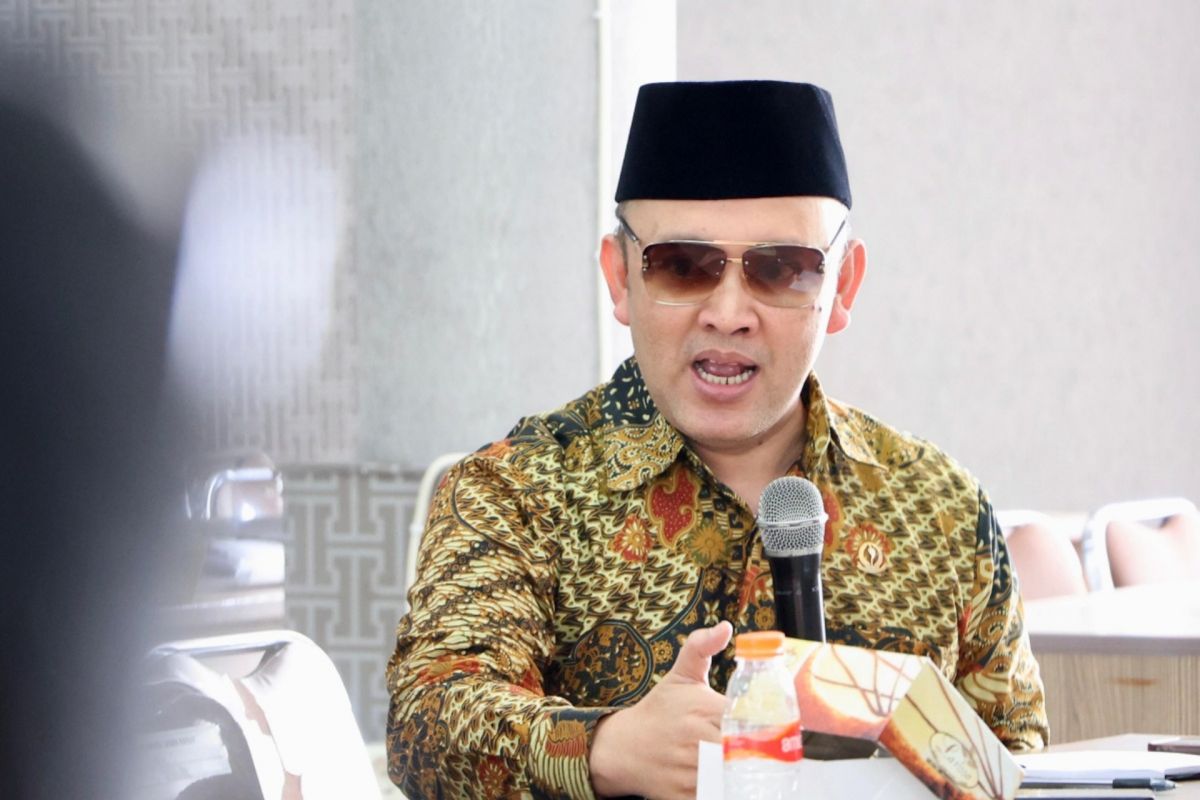
“There are many aspects regarding this (scholarship), including whether the funds are available and what the mechanism will be,” said member of West Java DPRD Commission V, Aceng Malki, when contacted via mobile phone in Garut Regency on Monday.
He noted that, so far, Commission V has not been involved in the West Java Provincial Government’s policy, which plans to provide scholarships for students in private schools.
“It has not been discussed in Commission V because we were not involved by the West Java Education Office, so we have not yet provided a response,” he said.
He emphasised that the discussions between Commission V of the DPRD and the West Java Education Office will pertain to the mechanism for realising the programme, as well as discussing the requirements for scholarship recipients in private schools and the underlying legal basis.
“The terms and conditions, the legal basis, and so on,” he added.
He mentioned that educational assistance for private SMA/SMK (Senior High School/Vocational High School) levels previously existed, namely the Universal Secondary Education Assistance (BPMU), alongside scholarship programmes for underprivileged students.
He stated that prior to the collaboration between the West Java Provincial Government and private schools, Commission V had requested the allocation of private education funds through the preparation of scholarships.
He expressed support for the educational assistance programme in line with the shared hope that no student drops out of school, particularly to assist the underprivileged, though he noted that the programme must have the necessary budget for realisation.
“Fundamentally, we agree with helping the private sector, but the most crucial point is whether the money exists. It should not be like the BPMU, where there is no funding, which eventually leads to a shift in implementation,” he said.