
West Java DPRD Commission V Calls for Better Health Service Partnerships
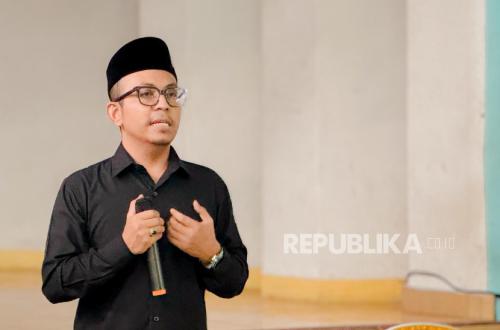
BANDUNG — West Java DPRD Commission V member Maulana Yusuf has called for stronger funding and payment systems for healthcare services, following a recent agreement in Depok between the West Java Provincial Government and 65 regional public hospitals, central government hospitals and private hospitals.
Maulana said the partnership was a positive step towards expanding access to healthcare. However, its implementation needed clear budget provisions and payment mechanisms to ensure that it genuinely benefited the public, particularly low-income residents.
He said the West Java Health Agency’s budget for Individual Health Efforts (UKP) and Community Health Efforts (UKM) programmes was reported to remain at around Rp815 billion, while the allocation had been adjusted in the 2027 planning document.
Maulana said the expanded hospital partnership should be accompanied by clear cost-sharing arrangements between the West Java Provincial Government and regency and municipal governments. He said the division of funding responsibilities needed to be set out transparently so that each government’s obligations remained clear.
“This partnership is good, but it must not become merely symbolic. What matters most is improving the financial and payment systems,” he said on Saturday (10 October 2026).
He also stressed the need to ensure continued care for residents who hold certificates of incapacity (SKTM) and are not covered by BPJS Kesehatan. In addition, claims payment procedures needed to be improved so they did not disrupt services or affect the welfare of healthcare workers.
Maulana also highlighted the shortage of beds in emergency departments (IGDs), including cases in which patients had to wait for a long time. He said the suitability of temporary accommodation for the families of low-income patients also required attention.
He hoped the West Java Provincial Government would use the expansion of hospital partnerships as an opportunity to strengthen the healthcare system as a whole, from ensuring adequate budgets and reliable payments to providing sufficient facilities.
Maulana said the policy’s success should be judged not only by the number of participating hospitals, but also by how easily residents could access services and the quality of care they received.
“We hope this partnership will genuinely strengthen healthcare services and deliver tangible benefits to the people of West Java,” he said.