
West Java DPRD Commission II: Kertajati Airport Must Become an Economic Driver
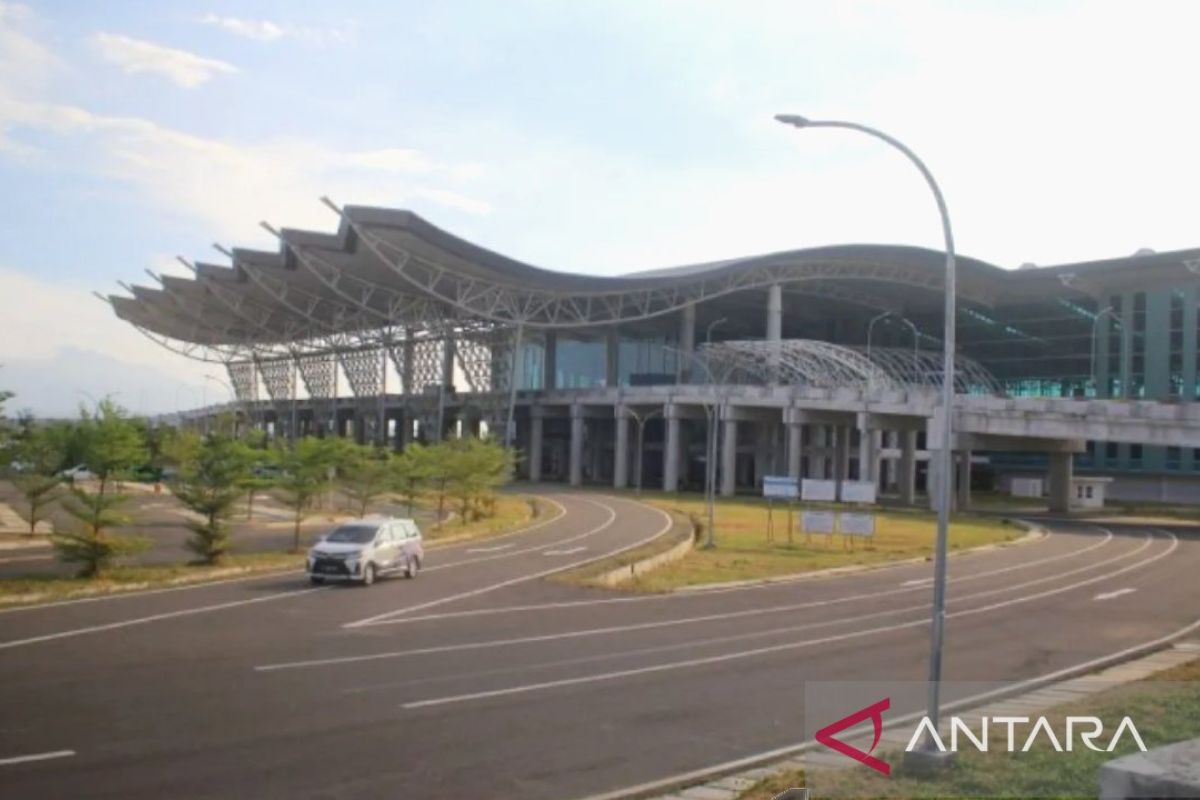
Karawang (ANTARA) - Budiwanto, a member of Commission II of the West Java Provincial DPRD, is pushing for the optimisation of Majalengka’s Kertajati International Airport to become the main driver of the regional economy in West Java. “Kertajati Airport is the beacon of West Java. It must not become just an icon without activity. It should become a lever for economic growth, especially from the air transport services sector and logistics connectivity,” said Budiwanto in Karawang on Sunday. This legislator from the Karawang-Purwakarta electoral district views Kertajati Airport, built on approximately 1,800 hectares of land, not merely as transport infrastructure but also as a symbol of progress and the future economic gateway for West Java. He is encouraging synergy between local government and airlines, both state-owned enterprises and private ones, as well as strategic investors, to develop a more adaptive airport business model. “It cannot stand alone. There must be multi-party collaboration, including opening up investment opportunities. The government does not always have to be the main player in financing,” he said. Strategically, Kertajati Airport has great potential to be developed into an air cargo hub as well as an aircraft maintenance centre (Maintenance, Repair, and Overhaul/MRO). Its geographical position in the eastern industrial area of West Java, relatively close to ports and manufacturing zones, provides additional value. Budiwanto mentioned the role of Kertajati Airport as a supporting airport for Soekarno-Hatta Airport, which is highly potential, especially for distributing flight and national logistics loads. “In the future, Kertajati Airport must be prepared to become a national and international airport gradually, not just as an alternative, but also as a strategic complement,” he said. One crucial factor highlighted is accessibility to the airport. Currently, the existence of the Cisumdawu Toll Road reduces travel time from Bandung to around 1.5 to 2 hours. However, it still needs to be improved to be more competitive. He targets reducing the Bandung-Kertajati travel time to a maximum of one hour through integrated transport modes. “There must be a supporting system such as airport shuttles, high-speed trains, or other mass transportation modes. Consumers must be able to access the airport quickly, comfortably, and reliably,” he stated. Budiwanto emphasised that the success of the airport is not only measured by the number of flights but also its impact on other sectors, such as tourism and investment. “The key to the success of Kertajati Airport lies in the courage to take innovative steps and build cross-sector collaboration,” he said.