
West Jakarta intensifies efforts to reduce waste residue at the source
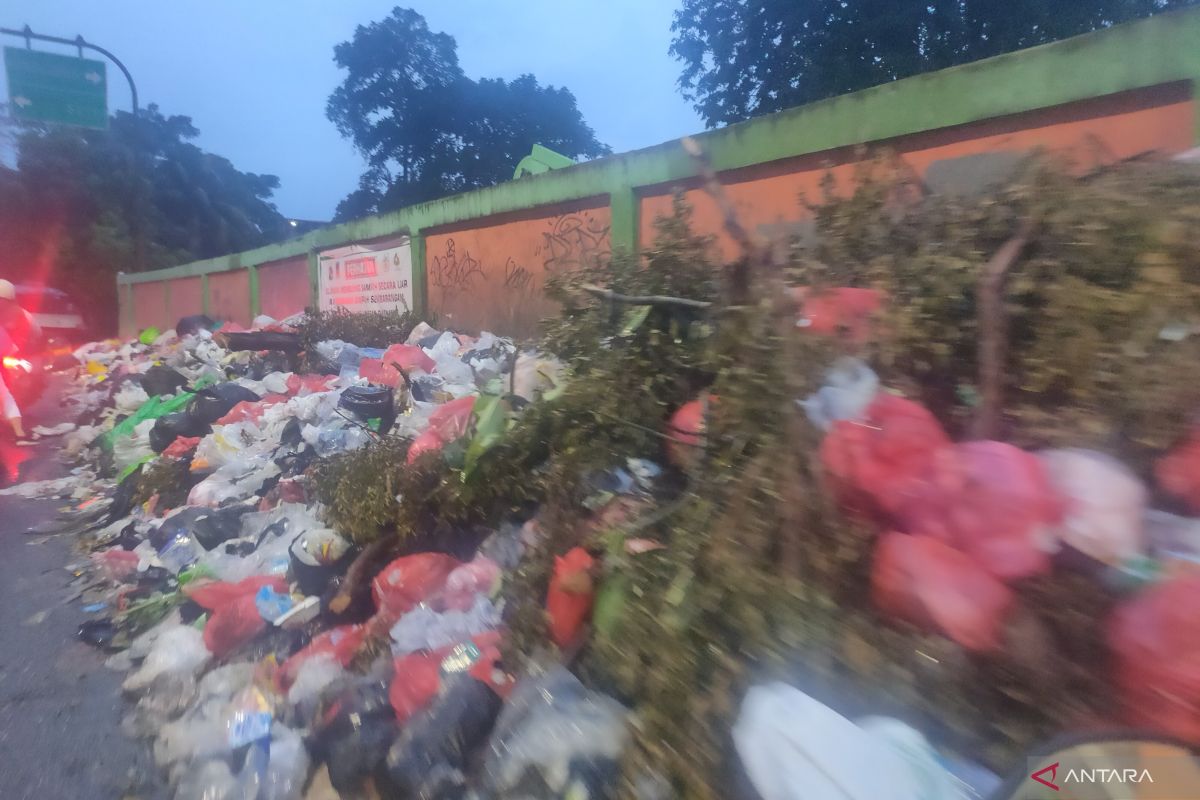
The West Jakarta City Government is intensifying efforts to reduce waste residue at its source by implementing waste segregation at the level of neighbourhood units (RW), schools, offices, and markets.
“The sources can include residential areas, schools, offices, parks, markets, and so on. We hope all entities in the region have begun the sorting process,” said the Mayor of West Jakarta, Iin Mutmainnah, while inspecting waste sorting at Taman Gajah, Meruya Selatan, on Monday.
Iin stated that the reduction of waste at the source is being carried out in accordance with Jakarta Governor Instruction Number 5 of 2026. “This ensures that the waste problem must begin to be reduced from the source,” she noted.
According to the Mayor, waste sorting fundamentally involves separating organic, inorganic, and residual waste. “Inorganic waste can be saved or processed at Waste Banks. Organic waste, such as leaves, can be processed into compost for reuse. This way, the residual waste that poses a problem at disposal sites will be minimised,” she explained.
The administration is prepared to implement this waste sorting movement alongside the community and the West Jakarta Environmental Agency through the technical units in each sub-district. Furthermore, she urged neighbourhood units (RW) that have already implemented waste sorting to serve as models for others.
It is reported that West Jakarta continues to face high levels of waste generation, amounting to approximately 807,966 tonnes per year. Of this total, only 212,450 tonnes, or about 26 per cent, are repurposed annually.
A primary factor contributing to waste accumulation at several points in West Jakarta is the reduction of the waste disposal quota to the Bantar Gebang Integrated Waste Treatment Site (TPST), which has been cut from 308 trucks to 190 trucks per day. This restriction is an impact of a landslide incident that occurred on 8 March at Southeast Asia’s largest landfill. This situation has hindered waste collection at several temporary disposal sites (TPS) in West Jakarta, while waste production from the community remains unchanged, making waste accumulation unavoidable. Consequently, the West Jakarta City Government is undertaking various efforts to reduce the residue transported to final disposal sites, including through these sorting initiatives.