
West Bandung Waives Regional Tax Penalties to Boost Revenue
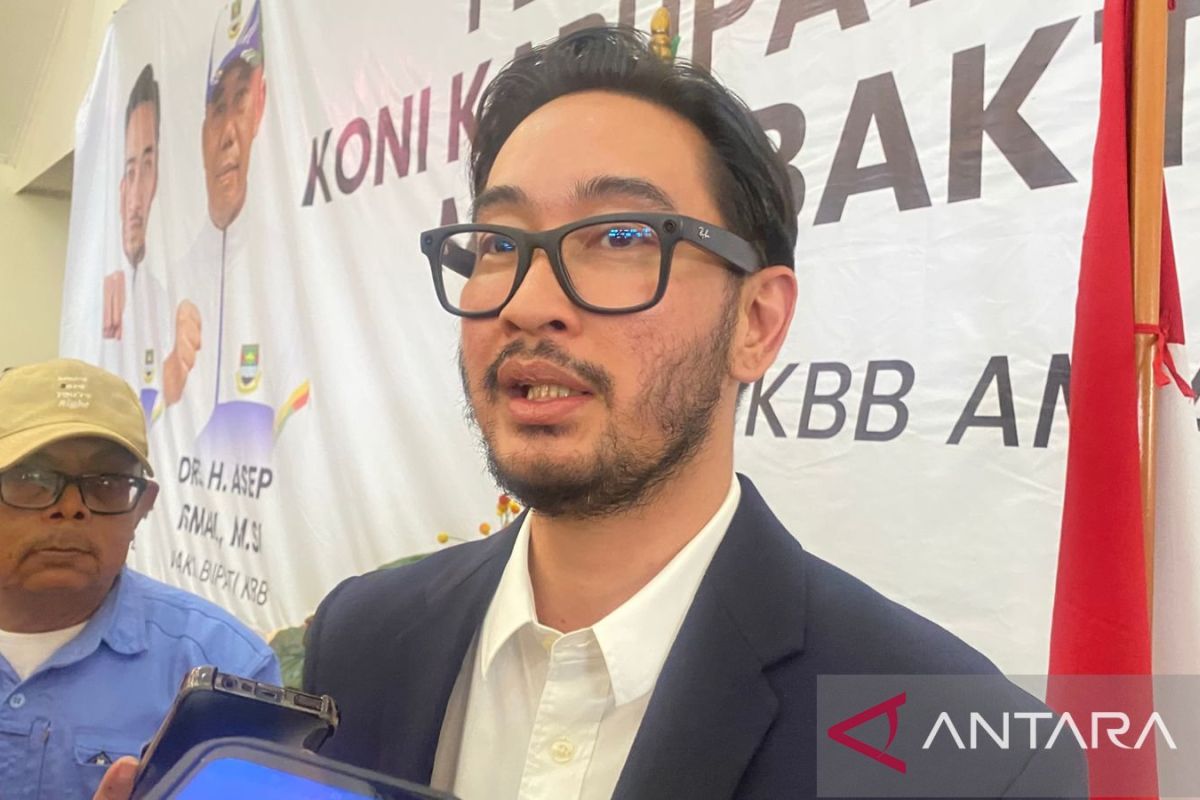
The West Bandung Regency government has introduced a programme to waive administrative sanctions on overdue regional taxes in an effort to enhance taxpayer compliance and boost locally generated revenue (PAD).
Regent Jeje Ritchie Ismail stated that residents with tax arrears can settle their principal tax obligations without incurring fines, interest, or tax increases during the programme period. “In celebration of West Bandung’s anniversary, we are implementing a tax penalty amnesty programme where only the principal tax needs to be paid. Take advantage of this opportunity, as the timeframe is limited,” he said.
The programme runs from 9 June 2025 to 31 August 2026, marking the 19th anniversary of West Bandung Regency. It covers the waiver of administrative sanctions for several tax categories, including the Specific Goods and Services Tax (PBJT) on food and beverages, hospitality services, parking services, and arts and entertainment services. The amnesty also applies to groundwater tax, billboard tax, non-metallic mineral and rock tax, and Rural and Urban Land and Building Tax (PBB-P2).
However, the Regent clarified that certain tax types are excluded from the programme. These include PBJT on electricity, Land and Building Rights Acquisition Duty (BPHTB), the Motor Vehicle Tax surcharge (opsen PKB), and the Motor Vehicle Title Transfer Fee surcharge (opsen BBNKB).
Acting Head of the Regional Revenue Agency, Rina Marlina, urged the public to make use of the amnesty before it expires on 31 August 2026 to ease their tax obligations while contributing to regional income. She noted that regional taxes are a primary source of revenue, with the revised 2025 Regional Budget (APBD Perubahan) targeting IDR 1.033 trillion in locally generated revenue, an increase of IDR 81 billion from the original target of IDR 952.02 billion, supported by taxes and levies.
The West Bandung Regency currently manages 12 types of regional taxes, which are crucial for financing development and public services. The administration hopes this penalty amnesty programme will improve taxpayer compliance, optimise local revenue collection, and support sustainable regional development.