
West Bandung DLH deploys team to investigate Cihaur River pollution
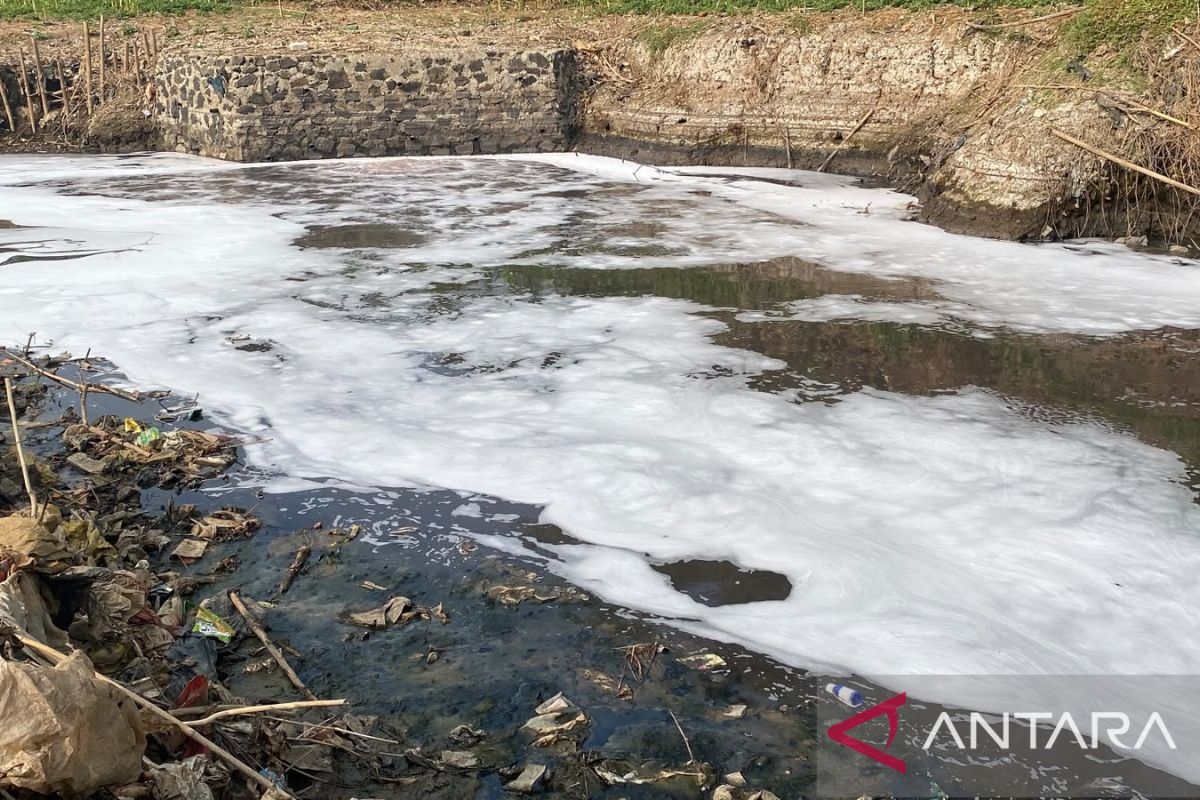
The Environmental Agency (DLH) of West Bandung Regency, West Java, is immediately deploying a team to investigate suspected pollution of the Cihaur River in Padalarang District, following reports that the river water has changed colour and emits a pungent odour. Head of the Environmental Governance Division at the West Bandung DLH, Ilmi Royan Galih Surya, stated that his party is promptly preparing a monitoring team from Environmental Protection and Management (PPLH) to examine the conditions and map the suspected source of pollution. “To be honest, I have just learned of this; indeed, no formal complaint has been received, but we will ensure a monitoring team is sent to the location to map it out,” he said in West Bandung on Sunday. Galih stated that the results of the field inspection will serve as the basis for the local government in determining steps to deal with any party later proven to have caused the pollution. Previously, the condition of the Cihaur River in Kampung Pangkalan, Cipeundeuy Village, came under scrutiny after the river water was seen turning red, covered in foam, and emitting an unpleasant odour. Based on observations at the location on Friday (7/8), a red liquid was seen flowing from a large disposal pipe situated on the side of the river. The pipe appeared to be buried underground and was channelling the liquid directly into the body of the Cihaur River. Besides being red, the flow was observed producing foam and causing a pungent smell. The situation is feared to be impacting the river ecosystem and the activities of communities along the Cihaur River flow. Residents say the fish population in the river is steadily declining, while farmers are beginning to worry about using the river water for crop irrigation. The West Bandung DLH will ascertain the conditions through field inspections and tracing the source of the flow before determining further handling measures. The regional government will also use the monitoring results as a basis for determining actions against parties proven to have violated environmental management and protection provisions.