
Wellness-Based Expandable Homes: A Solution for Commuters Between Jakarta and Bandung
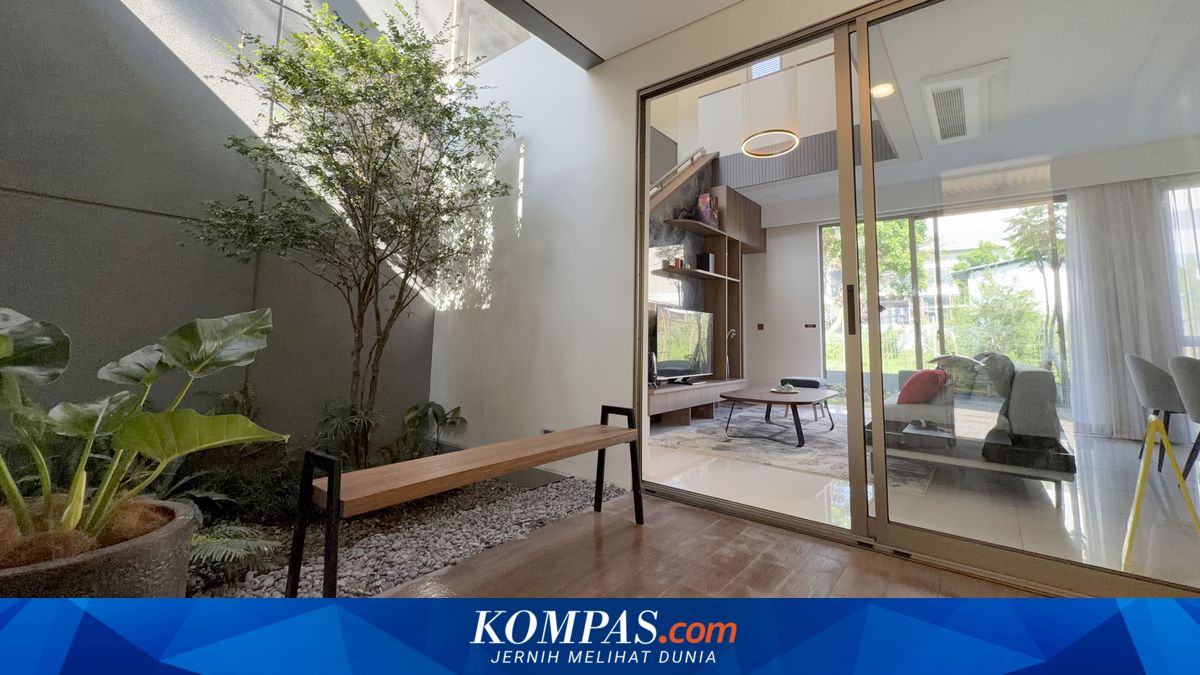
BANDUNG, KOMPAS.com – Spatial planning policies in West Java are undergoing a paradigm shift in response to the needs of urban dwellers for sanitation, air quality, and mental health. This transformation is embodied in the design of the Wangsa Navya cluster in Tatar Wangsakerta, Kota Baru Parahyangan (KBP), Bandung, West Java.
Through a modern family living approach, this development reconstructs the genetic code of traditional Sundanese architecture, particularly the concept of harmony with nature, adapted into modular expandable home structures for contemporary families. The characteristics of West Java, rich in vegetation and with constant mountain breezes, must be the primary foundation in the building’s blueprint.
“Wangsa Navya was initiated as an antithesis to the trend of artificial urban housing. We are restoring the function of homes as healthy living spaces, supported by a mature educational ecosystem and community within Kota Baru Parahyangan,” said Ryan in a statement on Saturday (16 May 2026).
The concept of open space and cross ventilation applied to this project has strong historical roots in Sundanese architectural cosmology. According to a study of traditional West Javanese spatial planning in the ZONASI Architecture Journal, traditional Sundanese houses such as the Julang Ngapak or Badak Heuay types inherently adopt porous structures. The philosophical concept of open-close or transitional space (emperan) functions as a thermal filter and also as a social interaction space.
The high roof structure with mechanical openings in modern homes is essentially a sublimation of traditional air vents (tutupuh), modified using modern fabrication materials to achieve up to 80 per cent natural lighting efficiency during the day. Architecturally, Wangsa Navya applies building mass compositions that emphasise the presence of voids (vertical empty spaces) within the building. The presence of these voids triggers a stack effect, where hot air is directed upwards and replaced by cool air from the ground floor simultaneously.
As an expandable house, the interior zoning plan is designed to be flexible.