
Welcoming New Students: Building a Safe School Culture from Day One
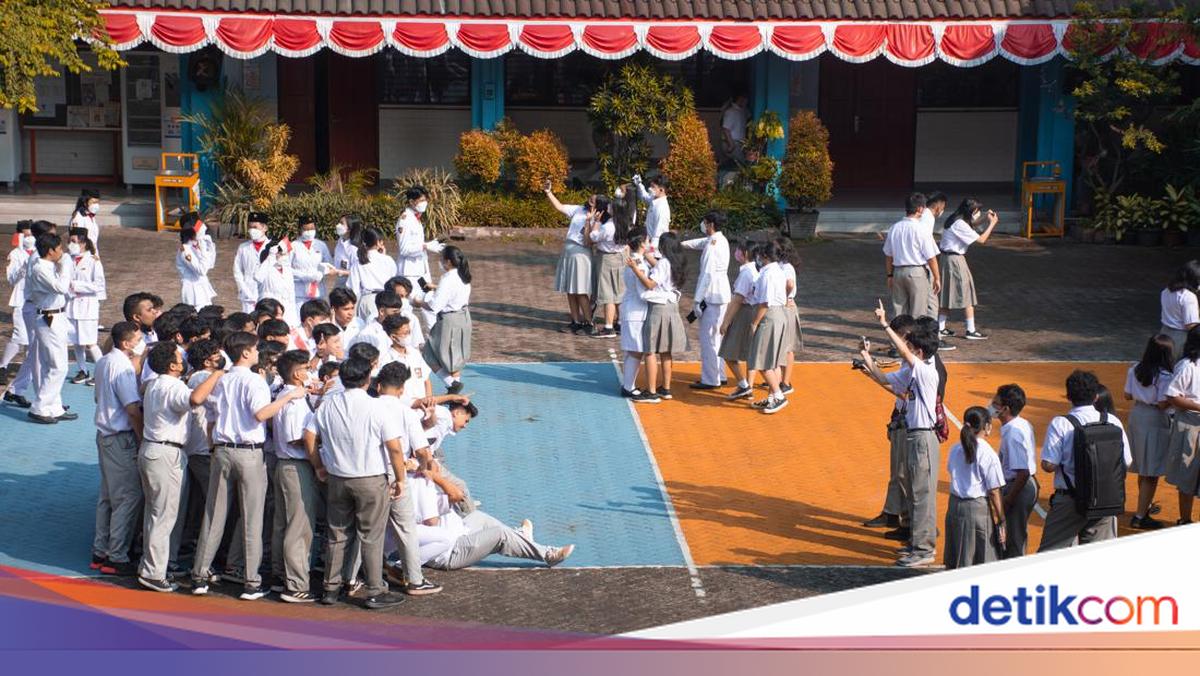
Entering the second week of July, schools across various regions are once again welcoming new students through the School Environment Introduction Period (MPLS). Each new student arrives with a mix of emotions. Some are enthusiastic about entering the next level of education, some are anxious about adapting to a new environment, and others harbour worries due to stories of seniority, bullying, and violence that have often been associated with orientation periods.
These mixed feelings are not trivial. First impressions at school shape how students view teachers, peers, and their learning environment. Students who feel accepted will find it easier to build trust, dare to interact, engage actively in learning, and develop a sense of belonging to the school.
The first day of school is not merely the start of the academic year. It is the day when social relations, social norms, and learning experiences begin to form. Therefore, welcoming new students is the starting point for shaping school culture.
Based on this awareness, the government has introduced a new approach to implementing MPLS. This year, the approach is realised through the concept of ‘Friendly MPLS’ in the Minister of Primary and Secondary Education Regulation Number 12 of 2026. The essence is simple: school orientation is no longer understood as an arena for seniority, but as a welcoming process that respects the dignity of every child.
Breaking the Cycle of Student Violence
This change in perspective is based on the fact that violence in schools often originates from relationships formed at the beginning of the academic year. Research by the Indonesian Child Protection Commission (KPAI) published in 2024 regarding the cycle of student violence shows that violence in educational environments follows a recurring pattern.
The early phase of the school year is a crucial period for the formation of relationships among students. It is during this phase that practices of seniority, bullying, and the formation of exclusive groups begin to emerge, which in some cases develop into brawls in the following months.
These findings indicate that the initial phase of school is not only important from an administrative perspective but also determines the quality of social relations that will develop. This view aligns with educational psychology studies.
In his book ‘School Power’ (1988), James P. Comer explains that educational success rests on the quality of the school climate. Children develop optimally when they feel safe, accepted, and have positive relationships with teachers and peers. The transition experience when entering school is an important phase for growing trust, a sense of belonging, and attachment to the learning environment.
Therefore, welcoming students is not just about helping them adapt, but also about shaping the school climate in the long term. From the first day, students begin to understand what behaviour is considered normal, how conflicts are resolved, and the extent to which the school can protect them.
So far, discussions about violence in schools have often focused on handling incidents after they occur. However, a far more important challenge is creating conditions where violence has no room to grow. This is where the School Environment Introduction Period (MPLS) holds strategic significance.
Thus, MPLS is not merely a process of adapting to a new environment, but a momentum to instil social norms, build healthy relationships, and lay the foundation for a safe school culture.
Building Culture from Day One
The first days of school serve as a space to instil values of mutual respect, build healthy relationships, introduce protection mechanisms, and ensure every student feels part of the school community.
These values need to be integrated into daily school life. Schools must present them in the learning process, the way teachers interact with students, complaint handling mechanisms, and the culture of mutual care among all school members.
Regulations do provide direction for change, but a safe school culture can only be formed through daily habits. Therefore, the success of Friendly MPLS heavily depends on the school’s consistency in presenting these habits in every interaction.
This positive culture can grow through simple actions, such as teachers welcoming and greeting students warmly at the school gate, senior students guiding and assisting new students politely, using name boards to help them get to know each other more quickly, and introducing complaint channels (complaint posts) from the first day.
Therefore, building a safe and comfortable learning environment is a collective responsibility of all school members—from the principal, teachers, education staff, students, parents, to the school committee.
The face of our education is reflected in how the school welcomes students on their first day. A warm welcome will foster students’ self-confidence and serve as a strong foundation for a safe and comfortable learning environment.
Behind the uniforms, bags, and new classrooms, every student carries a great hope to be well received. The school’s task is to ensure that hope is answered with a conducive environment, healthy relationships, and values that respect the dignity of every child. Because school culture is not built after violence occurs, but begins from the first day a student sets foot in school.