
Welcoming 1 Muharram: How the Islamic New Year is Celebrated in the US and Arab World
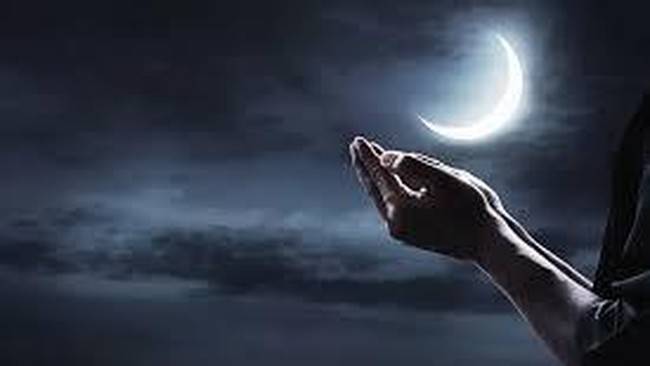
The Islamic New Year, or 1 Muharram, is a significant moment for Muslims worldwide. In Indonesia, 1 Muharram 1448 H falls on Tuesday, 16 June 2026. As the Islamic calendar begins its new day after Maghrib, the welcoming atmosphere is typically felt from the preceding evening. The Islamic New Year is closely linked to the Prophet Muhammad’s migration from Mecca to Medina in 622 AD, a pivotal event marking the formation of the first Muslim community. In 639 AD, Caliph Umar bin Khattab established the Hijri calendar system, designating Muharram as the first month. Celebrations vary globally, including communal prayers, parades, food sharing, and cultural performances.
In Indonesia, the country with the world’s largest Muslim population, traditions are heavily influenced by local culture. A well-known custom is the torchlight parade on the eve of 1 Muharram, where people of all ages walk through villages and cities chanting salawat. In West Java and parts of Central Java, the Bubur Suro tradition involves making and sharing red and white porridge. The Surakarta Palace also holds a Kirab Kebo, a procession of heirloom buffaloes on the night of 1 Suro, attended by the royal family and the public.
In Saudi Arabia, the new Hijri year is welcomed with joy, with people exchanging messages, prayers, and good wishes. A unique tradition in Jeddah involves drinking a glass of milk in the morning, symbolising purity and the hope for a better year ahead. This practice reflects the community’s view of the new year as a moment for self-improvement and a fresh start.
Egyptian celebrations feature cultural performances and religious activities, including traditional Sufi dancing. People wear new clothes, sing, and gather together in a festive atmosphere, viewing the Islamic New Year as a time for gratitude and renewed hope.
In Morocco, the Islamic New Year is marked by sharing food, particularly a tradition of distributing traditional Moroccan bread to neighbours. This long-standing custom symbolises togetherness, allowing people to express gratitude and strengthen community bonds. Some Moroccans also hold gatherings in open spaces, lighting fires and filling the day with songs and chants.
In the United States, the Islamic New Year is not a national holiday as Islam is not the majority religion. Nevertheless, American Muslims observe it with religious activities, typically attending mosques for study sessions, communal prayers, or community events. Afterwards, some Muslim families gather at home for shared meals, using the occasion to strengthen family and community ties within a diverse society.
Source: jawawa.id (https://jawawa.id/newsitem/welcoming-1-muharram-how-the-islamic-new-year-is-celebrated-in-the-us-and-arab-world-1781585492)
Originally published by CNBC Indonesia (https://www.cnbcindonesia.com/research/20260615185348-128-743053/sambut-1-muharram-begini-perayaan-tahun-baru-islam-di-as-arab), translated from Indonesian