
Welcome Ocean Institute of Indonesia!
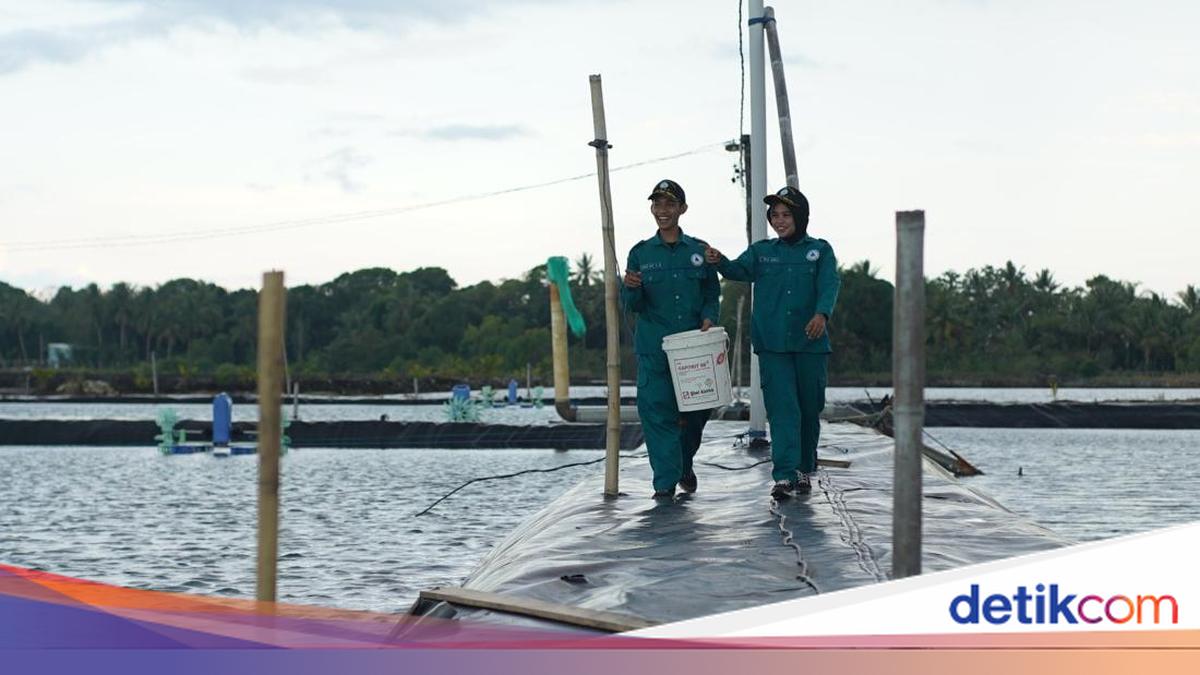
Indonesia is the world’s largest archipelagic nation. The country has 17,504 islands and a coastline stretching 108,000 kilometres. Its waters cover 6.4 million square kilometres, harbouring megabiodiversity with 8,500 species of marine life. The potential for marine aquaculture production reaches 50 million tonnes, while the sustainable capture fisheries potential is 12.01 million tonnes per year. Indonesia’s position on major global shipping routes means 45 per cent of goods in world trade pass through its waters. The potential for blue carbon and marine renewable energy is estimated at 188 million tonnes of CO2 equivalent. All these figures confirm that the sea is not merely a backdrop on Indonesia’s map, but a national development asset that can be harnessed for the people’s welfare.
The world is facing serious food challenges. The global population is projected to grow from 7.3 billion in 2015 to 9.7 billion by 2050, driving a 70 per cent increase in global protein demand. Indonesia itself is projected to require an additional 21.1 million tonnes of protein annually due to population growth. Blue food, or food sourced from water, offers a lower carbon footprint compared to land-based animal protein, and more than three billion people already depend on it for their protein needs.
However, marine wealth will not translate into prosperity without skilled people to manage it. Fish do not catch themselves, fish farms do not operate without skilled cultivators, and ships do not sail without trained crews. Superior human resources are the key to determining whether this vast potential remains a statistic on paper or becomes a source of prosperity for the people.
The Ministry of Marine Affairs and Fisheries, under Minister Sakti Wahyu Trenggono, has addressed the challenge of preparing superior human resources in the marine and fisheries sector by leveraging its existing assets. Eleven vocational education units spread from Dumai to Sorong have graduated 27,819 people since their establishment, with the majority absorbed by domestic and international industries. However, strengths scattered across 11 campuses with different curricula and standards are no longer sufficient to face increasingly intense global competition.
On 21 July 2026, the ministry inaugurated the Ocean Institute of Indonesia (OII), merging the 11 educational units into a single entity with an industry-based curriculum, specialised expertise at each campus, and partnerships with 16 national universities and institutions from South Korea. The inauguration was attended by five ministers and ministerial-level officials besides the Minister of Marine Affairs and Fisheries, signalling that this integration is a national human resource development agenda, not just a matter for one ministry. This is not merely an institutional name change, but a reform of marine and fisheries vocational education governance to align with international standards and contemporary needs.
History records that nations which advance are those that invest seriously in their people. China built a massive vocational and technical education base to support its industrialisation, producing skilled workers on a scale difficult for other countries to match. India, through its elite technology institutes, has produced digital talent who now lead several global technology companies. Singapore, with few natural resources, chose a different path by making its vocational education and training system the engine of growth, becoming a global financial hub and one of the world’s busiest ports. These three nations share a common thread: progress is not born from natural wealth alone, but from a serious commitment to developing the people who manage it.
With all its marine potential, Indonesia now has the opportunity to follow a similar path through the Ocean Institute of Indonesia. The birth of OII aligns with the human resource development focus emphasised by the administration of President Prabowo Subianto. ‘Sekolah Rakyat’ (People’s Schools) are being built to provide quality education access for children from underprivileged families, while ‘Sekolah Unggul Garuda’ (Garuda Superior Schools) are designed to identify and nurture the nation’s best talents across regions. Both reflect the mindset that human development is the foundation of national development, not merely a supplement. The Ocean Institute of Indonesia embodies this mindset in the marine and fisheries sector, aiming to realise the vast potential of the blue economy for the vision of a Golden Indonesia 2045. Welcome, Ocean Institute of Indonesia. May this step truly give birth to a generation of superior Indonesian seafarers, cultivators, and marine managers, so that the sea is no longer seen as a boundary, but as the nation’s future.