
Welcome, Menopause: A Reflection for World Menopause Day
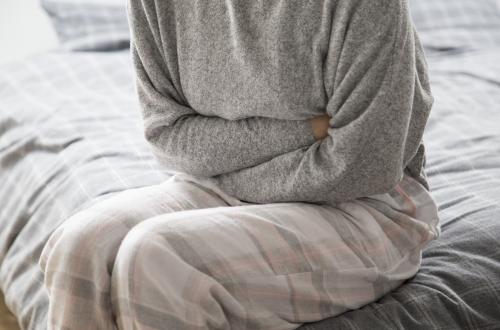
Few people know that 18 October is observed as World Menopause Day. The theme for 2026 is “Chronic Pain at Midlife”. The focus on pain is not intended to cause alarm, but to help people recognise it and understand how it can be addressed. In everyday Indonesian life, such midlife pain is familiar as “pegal linu” (aches and pains) and backache.
Menopause, the point at which menstruation ceases, is a natural stage in every woman’s life. Menopause is defined as 12 consecutive months without a period. A woman over 45 who has missed her period for only one or two months should therefore not automatically be considered menopausal. She may instead be in the climacteric, or perimenopausal, phase: the transition from reproductive life to menopause, which can last for years.
Many women approach menopause with anxiety because they have absorbed negative myths about the end of menstruation. These include the ideas that they will no longer be beautiful or attractive to their husbands, that they will become overweight and flabby, develop wrinkled skin and ill health, or cease to be productive.
Rather than remaining trapped in anxiety and fear, women can replace this pessimistic outlook with a recognition of the positive aspects of menopause. Preparation is needed in terms of physical health, mindset, diet and lifestyle.
Menopause undoubtedly brings changes. Physically, women may find it easier to gain weight, with fat accumulating in certain areas. As one joke puts it: “I’ve only thought about food, not even eaten it, and I’m already getting fat!” Muscle mass can also decline; skin may become dry, hair thinner and greyer, and fatigue, joint stiffness and pain more common. Hot flushes, which can cause profuse facial sweating, and difficulty sleeping at night are also frequent. Not every woman experiences all these symptoms: some have a few, while others experience different ones.
Psychological and emotional changes can also arise during perimenopause, including irritability, sadness, anxiety and loneliness. These can be compounded by difficulties in a relationship, including pain during sex caused by thinning of the vaginal epithelial lining.
Other pain may occur when urinating, for example as a result of a urinary tract infection. Weakened pelvic floor muscles can also cause urinary incontinence, or difficulty holding in urine. Falling oestrogen levels accelerate bone loss and can lead to osteoporosis and pain, particularly if a fracture occurs.
Should this list of possible symptoms make women afraid of an important stage in their lives? It should not, because their severity can be reduced. Following a balanced diet and limiting sugar, salt and oil in line with nutritional guidance can help prevent excess weight, high blood pressure and unstable blood sugar levels.
Consuming protein, calcium and vitamin D, alongside regular weight-bearing exercise, can build muscle mass and help prevent osteoporosis. Adequate rest, avoiding late nights and making the bedroom comfortable can improve sleep, reduce hot flushes and ease anxiety. Medical advice is needed in some circumstances. Women experiencing pain during sex or urination should consult a gynaecologist, who can help find a solution. Do not simply accept older people having to pray while seated as inevitable; consultation with an orthopaedic specialist is strongly recommended for joint pain and osteoporosis.
At the same time, the positive aspects of menopause should be welcomed. For Muslim women, the opportunity to worship without interruption can be a blessing: completing the Ramadan fast, praying without a break and reciting the Quran continuously can be especially meaningful. Pilgrimage to the Holy Land can be undertaken without having to calculate how many days menstruation might need to be delayed, allowing women to focus more fully on their closeness to Allah. Couples can enjoy sex without worrying about pregnancy, and women are free from the side effects of contraception. Nevertheless, regular comprehensive health checks, including examinations of the reproductive organs, are still recommended.
This article is intended not only for women who have reached or are approaching menopause, but also for their families. A husband’s understanding and support can help his wife experience menopause happily, as can the support of adult children. Now is the time to make mothers feel like queens, while enabling them to remain active.
Healthy older people are not simply those who sit still. Mothers should be supported in activities that promote their health, for example by providing equipment for strength training. Taking or accompanying a mother to a medical check-up is an act of devotion that carries spiritual reward. With this support, women can greet menopause as a new chapter in life, with a bright smile. Welcome, menopause!