
Weighing Prabowo's Praise for PDIP Amid Erosion of Civil Liberties
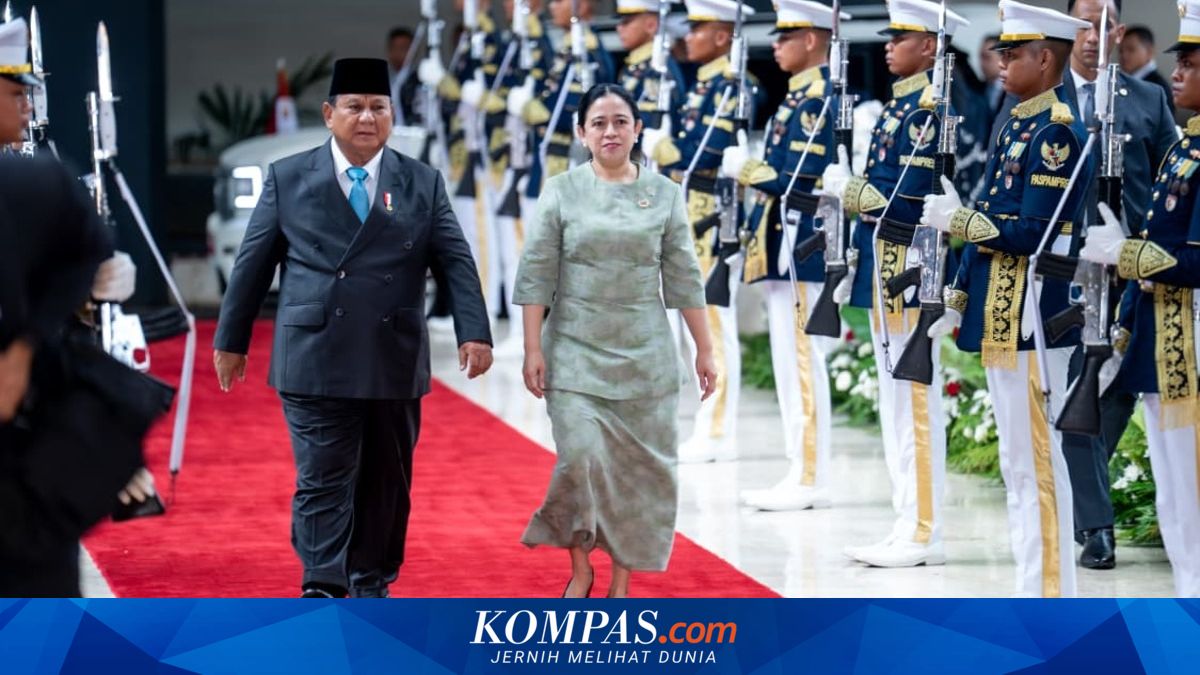
Inside the cool, dignified plenary chamber, we are treated to a display of politics that is truly graceful. President Prabowo Subianto, with carefully crafted rhetoric, thanked PDIP for its ‘sacrifice’ in choosing the path of opposition. An ancient proverb is cited about how criticism is the salvation. From the podium, the face of our democracy appeared mature, tolerant, and full of elitist compromises that soothe. The accolades directed at the bull-emblem party seemed to underscore that power today values differences of opinion. Yet, when looking beyond the parliamentary building, the reality we encounter is marred. Between the beauty of the rhetoric on the Senayan podium and the ground-level reality, a very deep chasm stretches. The political virtue displayed on the legislative stage suddenly feels hollow when confronted with the fact that our public space is experiencing a shrinking sense of safety. Let us look at what has recently happened in our domestic space. The forced cancellation of a ‘nobar’—a watch-along—of the documentary film Pesta Babi: Kolonialisme di Zaman Kita in various regions is a naked example of just how fragile civil expression space is. The visual work by directors Dandhy Dwi Laksono and Cypri Dale should have served as a sociological reflection on the cries of indigenous peoples in South Papua whose living space is squeezed by deforestation, land grabs, expansion of the palm oil and sugarcane industries, and the tentacles of the National Strategic Projects (PSN). However, rather than becoming a prompt for healthy intellectual discussion, the truth recorded on screen was instead co-opted by judgments and unilateral silencing. The state, which should be the guardian of the right to freedom of thought, often chooses to be absent or paralysed, hiding behind the pretext of ‘maintaining conduciveness’ when faced with pressure from groups hostile to alternative narratives. This trend of democratic hollowing becomes more alarming as critical voices are no longer answered with argument, but with physically intimidating violence.