
Weekly Roundup: School Canteens in Free Meals Programme and Tips to Avoid Fake Hajj Services
A number of interesting human-interest stories occurred this week and can be revisited as a summary of events. The news begins with the opportunity to involve school canteens in the Free Nutritious Meal (MBG) programme and tips to avoid fictitious hajj proxies.
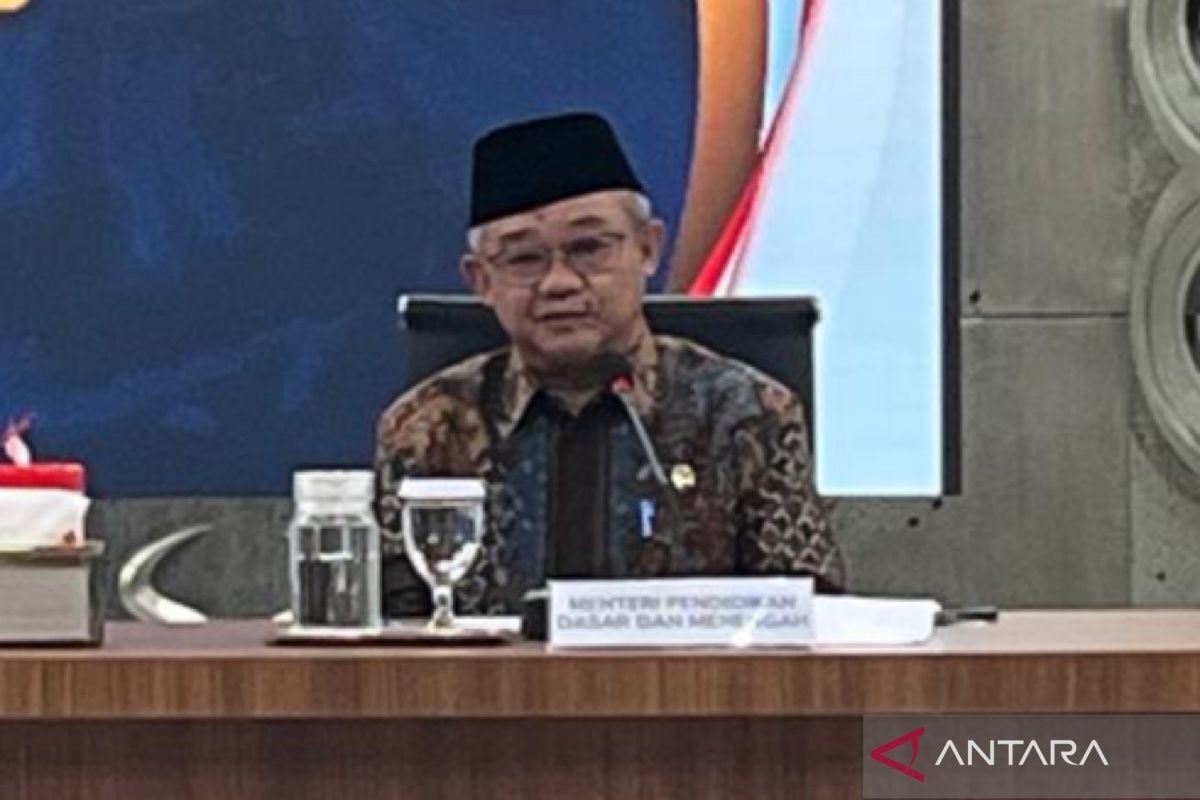
Minister of Elementary and Secondary Education Abdul Mu’ti confirmed that the MBG programme will continue due to broad support from students, but with adjustments in its implementation, including the possibility of involving school canteens as providers of nutritious food. “The number of students receiving MBG is around 43.4 million out of a total of 53.5 million students in Indonesia, or about 80.94 percent. Most of them hope this programme will continue,” he said.
Coordinating Minister for Community Empowerment Abdul Muhaimin Iskandar stressed that MBG beneficiaries must be precisely targeted and provide a real impact on economic empowerment at the grassroots level, especially in frontier, outermost, and disadvantaged (3T) regions. “In improving the management of MBG managed by the National Nutrition Agency, I remind you to refer to Presidential Instruction 4 of 2025 concerning the National Single Socio-Economic Data (DTSEN), where underdeveloped areas, extreme poverty, and poverty must be prioritised,” said Menko Muhaimin Iskandar.
Deputy Minister of Higher Education, Science, and Technology Stella Christie stated that now is an important momentum to build Jakarta with an approach based on science, research, and innovation. “It is time for us to build Jakarta with science and technology. That is why we are here, the Ministry of Higher Education, Science, and Technology, to involve not only ministries but all actors in science and technology, from lecturers, researchers, students, industry, local governments, central government, to the community,” said the Deputy Minister.
The Hajj Financial Management Agency (BPKH) stated that the initial hajj registration deposit should ideally be increased to Rp35 million from the current Rp25 million to enhance the value of benefits obtained from hajj funds in the future. “In our Strategic Plan, the initial deposit should be raised to Rp35 million,” said Head of BPKH Fadlul Imansyah.
The Ministry of Hajj and Umrah shared several tips for the public to avoid fictitious hajj proxy offers following the uncovering of such disgraceful practices during the 1447 Hijri/2026 Hajj season. Hajj proxies must comply with regulations in Saudi Arabia, such as applying for a tasreh or hajj permit until a Nusuk Card is issued. To obtain the hajj tasreh, a person must spend around Rp25 million. “Therefore, if there is an offer for hajj proxy services for Rp10 million, it seems like a trick. The value is irrational,” said Director General of Hajj and Umrah Services Harun Al Rasyid.