
Weaving Hope for International Peace Day within the Embrace of Pancasila
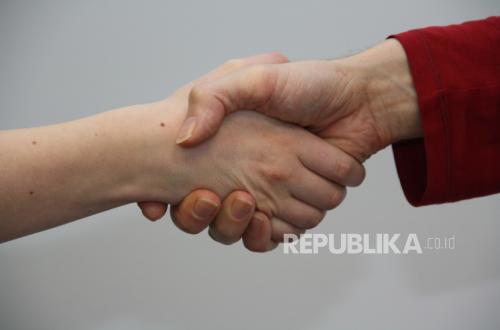
Peace is not merely a pause between two cannon blasts, but a masterpiece of civilisation that must be continuously carved with patience, justice, and wisdom.
On the commemoration of International Peace Day 2026, humanity is once again reminded of a noble calling echoing across the globe: “Invest in Peace: For Everyone, Everywhere, Every Day.” The theme for this year’s peace day is not just an empty slogan, but a moral proclamation asserting that peace is the most precious asset requiring continuous investment—an investment that transcends capital calculations, penetrates the deepest recesses of humanity, and resonates in every breath of life.
For Indonesia, this call reflects the nation’s soul. As a great nation born from struggle and diversity, Indonesia views peace as an absolute necessity to achieve ultimate glory. This article examines how this investment in peace has evolved from the historical stage, rooted in Indonesia’s unique identity through Pancasila, and how it interacts with geopolitical realities and internal national dynamics to position the archipelago as a beacon of world peace.
Historical Traces
The history of International Peace Day is a history of humanity’s longing for harmony in a world often torn by the arrogance of power. First established in 1981 through United Nations General Assembly Resolution 36/67, this day was originally celebrated on the third Tuesday of September. However, the awareness that peace requires a firmer commitment prompted the UN in 2001, through Resolution 55/282, to designate 21 September as a day of global ceasefire and non-violence.
Every year, the Peace Bell at the UN Headquarters in New York is rung. This bell, forged from coins donated by children from every continent (except Africa) and medals from various figures, bears a grand inscription: “Long live absolute world peace.” This history teaches one fundamental lesson: peace does not simply descend from the heavens. It is the result of difficult agreements, exhausting negotiations, and invaluable sacrifices.
Entering 2026, this historical narrative is evolving. Peace is no longer viewed solely as the absence of war (disarmament), but demands proactive “investment” in the form of education, social justice, and the equitable distribution of welfare for everyone, everywhere, every day.
The Pancasila Order
Philosophically, views on peace can be analysed through the dichotomy proposed by Johan Galtung, the father of modern peace studies. Galtung distinguishes between “negative peace” (the absence of physical violence or war) and “positive peace” (the presence of social justice and the absence of structural violence). The “Invest in Peace” theme for 2026 is the purest manifestation of positive peace. Investing in peace means building just institutions, ensuring equitable resource distribution, and guaranteeing the supremacy of law.
In the Indonesian context, this philosophy of positive peace finds its most perfect habitat within the nation’s Philosophische Grondslag: Pancasila. Pancasila is not merely a dead text or rigid dogma, but a living organism that provides the ontological and axiological framework for creating both global and local harmony.
Source: jawawa.id (https://jawawa.id/newsitem/weaving-hope-for-international-peace-day-within-the-embrace-of-pancasila-1790099597)
Originally published by Republika (https://analisis.republika.co.id/berita/tlryb3320/merajut-asa-hari-perdamaian-internasional-dalam-dekapan-pancasila), translated from Indonesian