
Weather modification using dry ice reduces haze concentration in South Sumatra
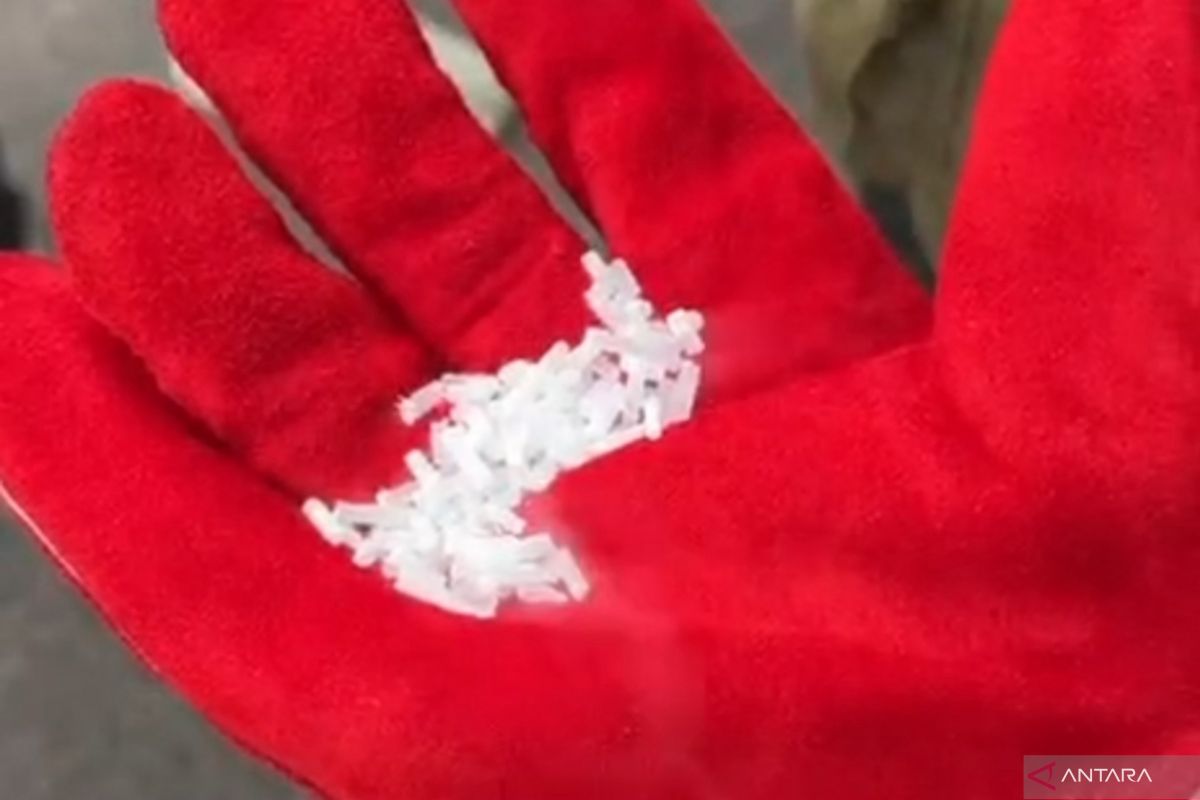
Jakarta (ANTARA) – The Ministry of Forestry (Kemenhut) said a weather-modification operation using dry ice as a seeding material could help reduce smoke concentrations caused by forest and land fires in South Sumatra.
Thomas Nifinluri, the ministry’s director of forest fire control, said in a statement issued in Jakarta on Saturday that the operation, conducted in collaboration with the Meteorology, Climatology and Geophysics Agency (BMKG) and the Indonesian Military (TNI), would run from 16 to 25 October 2026.
“Dry ice seeding is a method to help disperse smoke trapped in the lower atmosphere. The operation is carried out according to atmospheric conditions on the ground and can be combined with salt (NaCl) seeding if conditions begin to favour the growth of rain clouds,” Thomas said.
He added that the operation was funded through the Ministry of Forestry’s state budget and would continue to be monitored.
Preliminary BMKG data showed that the dry ice operation in South Sumatra had lowered particulate matter (PM) concentrations, improving air quality, while visibility increased from 300 metres at 9am Western Indonesian Time (WIB) to 2,800 metres in the afternoon.
“To help address these conditions, weather modification is being carried out to tackle smoke from forest and land fires. The specific approach using dry ice is intended to thin the haze by influencing atmospheric temperatures and helping disrupt the stability of the inversion layer, thereby improving air movement and potentially reducing smoke concentrations near the surface,” Thomas explained.
On the first day, the operation involved one sortie carrying around 800 kilograms of dry ice seeding material over the Palembang area.
Two sorties were planned for the following day, subject to weather and atmospheric conditions.
Thomas said the operation would continue to adapt to changing atmospheric conditions. If the inversion layer begins to weaken and rain clouds are likely to develop, dry ice seeding can be combined with salt seeding to support rainfall formation.
Meanwhile, Dwi Januanto Nugroho, the ministry’s director-general of forestry law enforcement, said forest and land fire response efforts were continuing in collaboration with the TNI, the National Police, the National Disaster Management Agency, BMKG, regional disaster management agencies (BPBD), the ministry’s Manggala Agni fire brigade, Fire Awareness Communities (MPA) and volunteers.
“Efforts to tackle forest and land fires need to be integrated, not only through extinguishing fires at the site, but also through measures to reduce the impact of smoke on the public,” Dwi said.
He said the smoke-thinning approach to weather modification was one supporting measure expected to help improve air quality in affected areas.