
Weather factors and logistics trigger chilli price fluctuations
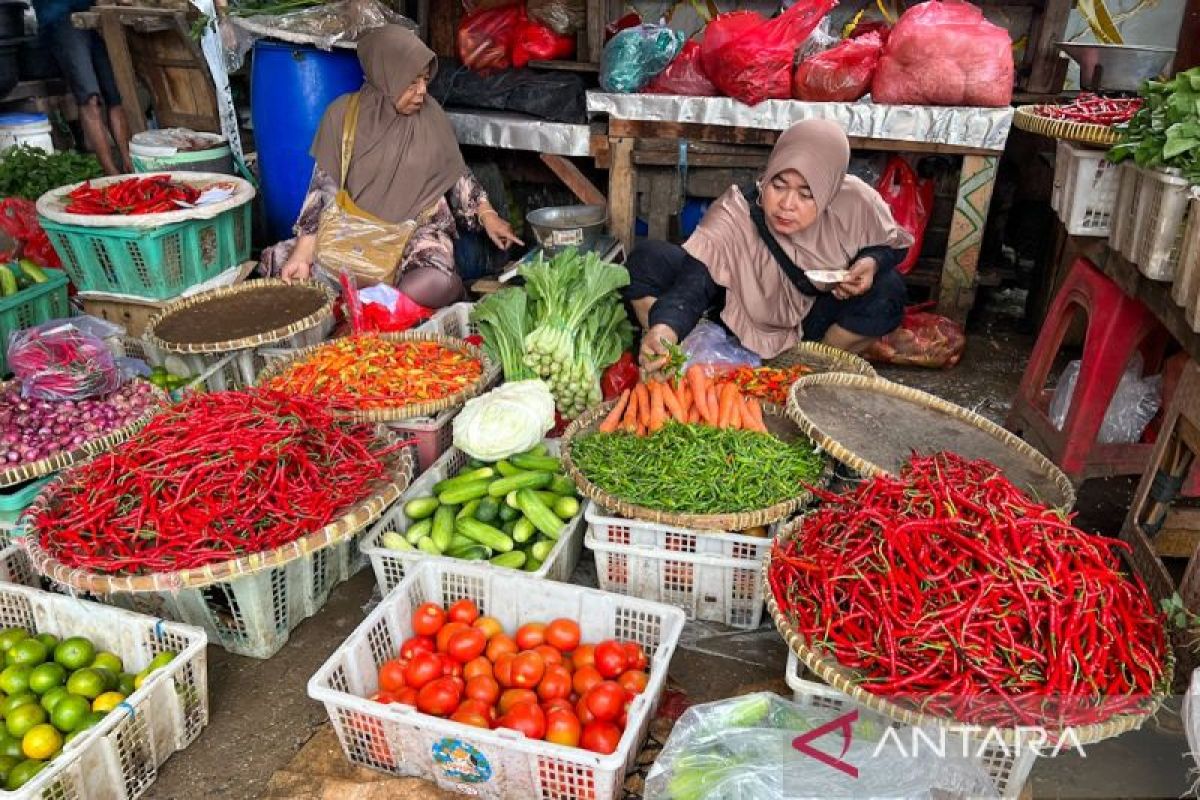
The increase in chilli prices is primarily driven by extreme weather anomalies, specifically high rainfall across several major production centres. Eliza Mardian, a researcher at the Centre of Reform on Economics (CORE) Indonesia, stated that the recent price fluctuations are caused by a combination of extreme weather and swelling logistics costs for horticultural distribution.
She noted that heavy rainfall in key production areas has increased humidity, triggering pest and plant disease outbreaks. This condition has led to crop rot, causing a sharp decline in both the volume and quality of harvests at the farmer level. In addition to production disruptions, price pressures are being exacerbated by high public demand in preparation for Eid al-Adha.
Data from the National Strategic Food Price Information Centre (PIHPS) shows that the average price of red bird’s eye chilli briefly hit Rp84,400 per kilogram on Thursday before dropping to around Rp68,000 per kg on Friday. According to Eliza, this rapid price movement reflects the high sensitivity of horticultural commodities to weather, distribution, and market supply conditions.
Distribution issues are also contributing to price pressures at the consumer level, even though there has been no increase in subsidised diesel prices. She explained that high moisture content makes chillies more prone to rotting during transit, prompting transport agents to raise tariffs to cover the risk of cargo shrinkage. Furthermore, the surge in bulk fleet rental rates ahead of major holidays, along with rising non-fuel operational costs such as tolls and spare parts, has increased distribution expenses.
Eliza noted that BPS data, showing the transport group contributed 0.07 per cent to inflation in May 2026, indicates swelling logistics costs on the ground, particularly for perishable food commodities like chilli. She advised that the government should also remain vigilant regarding price movements for shallots and tomatoes, which share similar perishable characteristics.
BPS data also shows that red chilli was one of the commodities contributing to inflation in May 2026, with an inflation contribution of 0.08 per cent due to price hikes in various regions. Consequently, Eliza urged the strengthening and monitoring of food distribution and horticultural logistics systems to maintain food price stability, especially during periods of extreme weather.
Meanwhile, the government, through the National Food Agency (Bapanas), stated on 2 June 2026 that it is continuing to strengthen inter-regional distribution and the implementation of the Cheap Food Movement (GPM) to maintain the stability of chilli and other horticultural prices. The implementation of GPM in 2025 reached 13,321 instances and is being held again across all provinces and regencies this year to ensure price and supply stability for consumers. Bapanas is also encouraging smooth supply flows from production centres to consumer markets to suppress food price volatility. Additionally, the Ministry of Agriculture previously stated it is continuing to strengthen the control of plant pests, monitoring horticultural production centres, and accelerating food distribution to maintain the stability of chilli and shallot supplies during extreme weather periods.