
Wear masks: Jakarta's air quality ranked third worst in the world
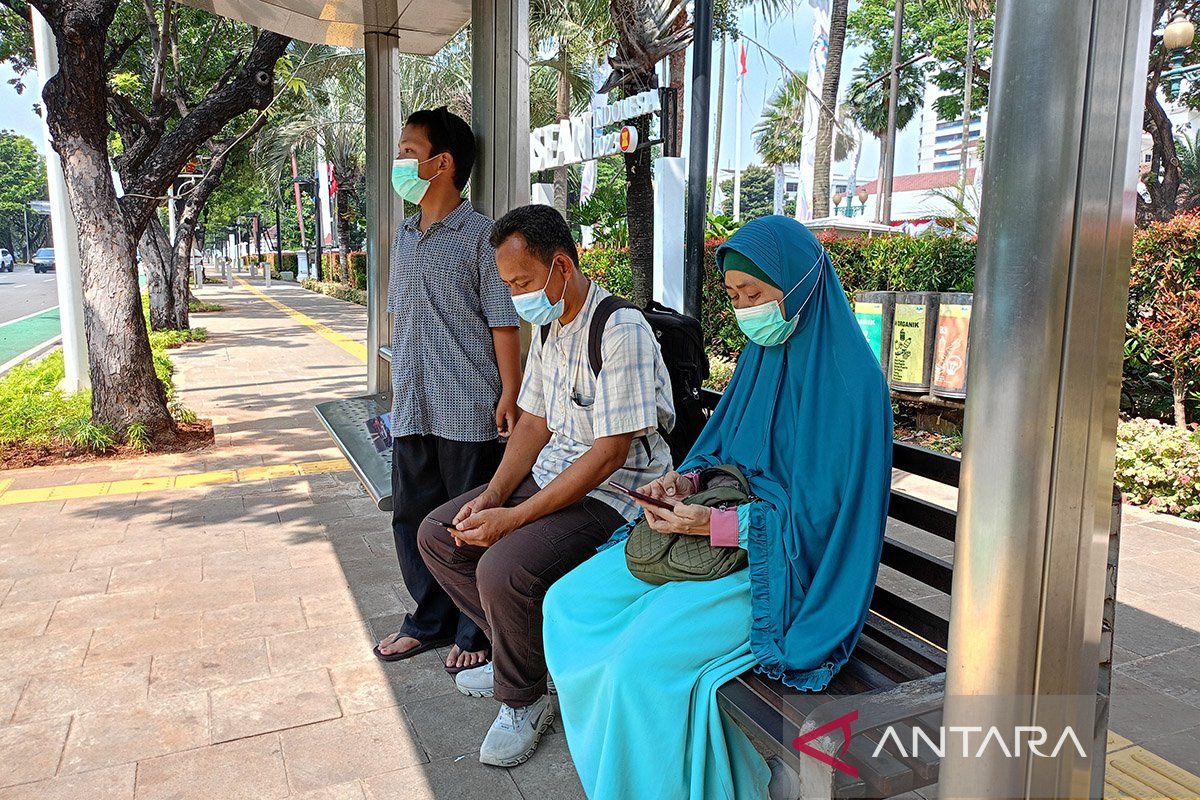
Jakarta’s air quality on Saturday morning fell into the unhealthy category, ranking as the third worst city in the world. According to data from the IQAir air quality monitoring website at 06:00 WIB, the Air Quality Index (AQI) in Jakarta stood at 163, categorised as unhealthy, with PM2.5 pollution concentrations reaching 79.2 micrograms per cubic metre.
This level of air quality is considered unhealthy for sensitive groups, as it can be harmful to humans, sensitive animals, and may cause damage to plants or aesthetic values. The monitoring site recommends that the public avoid outdoor activities. If outdoor presence is necessary, the use of masks is advised, and windows should be kept closed to prevent dirty outdoor air from entering buildings.
For context, the ‘good’ category (PM2.5 between 0-50) does not affect human or animal health, nor does it impact plants or buildings. The ‘moderate’ category (PMCO2.5 between 51-100) does not affect human or animal health but can impact sensitive plants. The ‘very unhealthy’ category (PM2.5 between 200-299) can harm various segments of the exposed population, while the ‘hazardous’ category (300-500) poses serious health risks to the general population.
The cities with the worst air quality were Kinshasa, Democratic Republic of the Congo, in first place (243), followed by Kampala, Uganda, in second (240). Manama, Bahrain, ranked fourth (137), and Dubai, United Arab Emirates, ranked fifth (134).
The Jakarta Provincial Government, in collaboration with the Meteorology, Climatology, and Geophysics Agency (BMKG), is preparing an air quality Early Warning System (EWS) to predict air pollution more accurately. The development of this EWS is part of the Jakarta Provincial Government’s long-term strategy to mitigate the impacts of air pollution and improve the quality of life for its citizens. This early warning system will provide significant benefits, particularly for vulnerable groups, including children, the elderly, pregnant women, and individuals with histories of respiratory diseases such as asthma and other lung disorders. With more accurate and accessible air quality forecasts, the public can take preventive measures, such as wearing masks during outdoor activities and limiting physical exertion in open areas.