
Wealthy Nation Collapses Due to Mismanagement and Profligate Officials
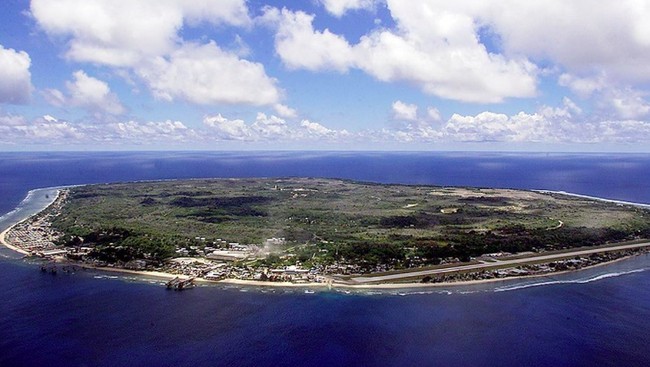
Nauru, a small Pacific island nation, once enjoyed a golden age as one of the world’s wealthiest territories. However, this status has vanished, and Nauru now stands as a stark example of how excessive natural resource exploitation and poor governance can destroy a country.
This 21 sq km territory initially prospered due to abundant high-grade phosphate reserves, first discovered by a British corporation in the early 19th century. For decades, this key fertilizer commodity was extensively mined by foreign entities, including the UK, Australia, and New Zealand.
After gaining independence in 1968, Nauru took control of its phosphate mines. High production levels triggered an economic boom, with a 1982 New York Times report stating its per capita income surpassed that of Middle Eastern oil-rich nations.
Prosperity was evident everywhere. The government provided free education, healthcare, transport, and even newspapers. Citizens requiring overseas medical treatment were flown to Australia at state expense.
However, this wealth also bred greed. Officials used state funds to purchase luxury cars like Lamborghinis and Ferraris, despite Nauru having only one main road with a speed limit of 25 mph.
In a 2024 video, YouTuber Ruhi Çenet described this era as ‘consumption madness’, finding rusted luxury cars abandoned along roadsides—a symbol of the once-thriving economy’s collapse.
As phosphate reserves dwindled in the 1990s, Nauru’s economy collapsed. The government, accustomed to lavish living, was unprepared for the depletion of its wealth sources.
To salvage its finances, Nauru briefly became a tax haven, selling banking licenses and foreign passports. Around £55 billion of Russian mafia money was reportedly laundered through Nauruan banks in a single year, leading the US to blacklist it as a money laundering hub in 2002.
Australia intervened with financial aid in exchange for hosting an asylum seeker detention centre.
Today, Nauru’s social conditions are dire. The World Obesity Federation reports it has the highest obesity rate globally, with 70% of the population overweight. MacroTrends notes nearly half the population are active smokers.
With a population of just 12,000 from 12 main tribes, Nauru’s story serves as a cautionary tale: natural wealth without prudent management leads only to ruin.