
Weakening Rupiah Impacts Rural Farmers as Feed Prices Rise
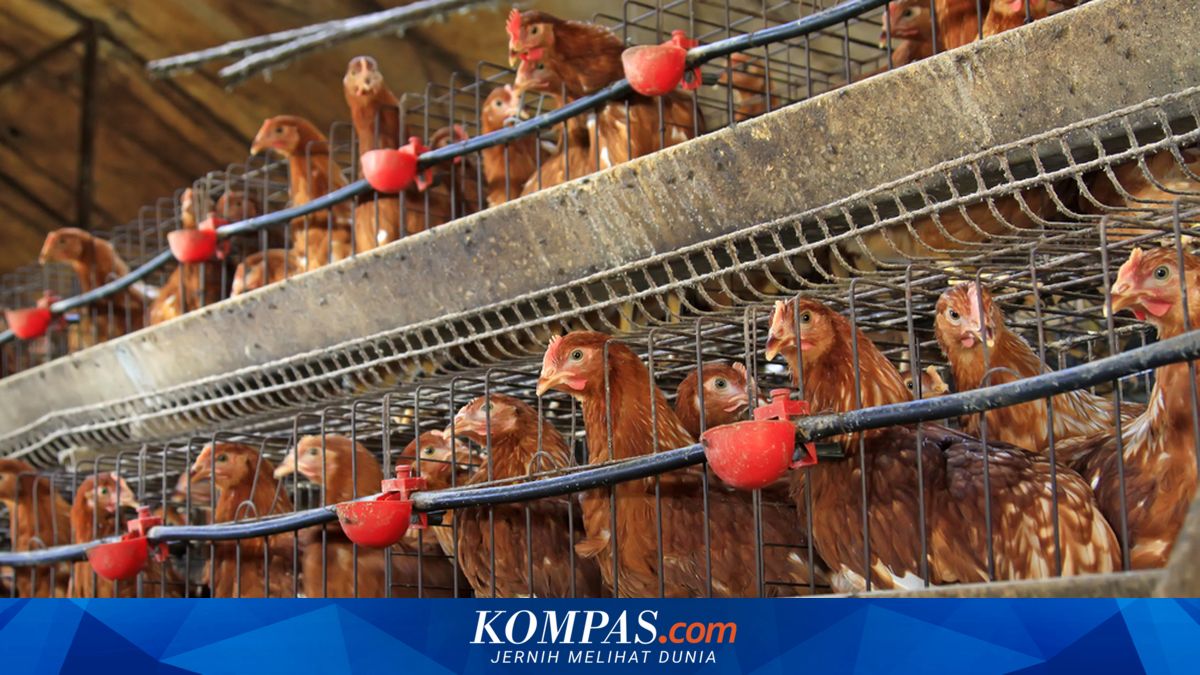
The Indonesian rupiah’s ongoing weakness against the United States dollar (USD) is beginning to have a direct impact on rural communities, particularly smallholder livestock farmers. Kusnan, chairman of the Independent Smallholder Livestock Farmers Association of Indonesia (Pemindo), said that rural communities do not transact in USD directly. However, the rupiah’s depreciation is still felt as it pushes up the cost of living and production costs.
‘The current conditions are affecting rural communities very much. When the rupiah weakens, the prices of necessities and production costs rise,’ Kusnan said on Tuesday, 19 May 2026, as quoted by Obrolan News Room Kompas.com.
He noted that rural incomes do not automatically rise when prices go up. Many rural residents work in the informal sector, including livestock farming and micro, small and medium enterprises (MSMEs). ‘If accumulated, the price increase for feed this month is around Rp 400 to Rp 500 per kilogram,’ he said.
He explained that the rise in feed prices burdens smallholder farmers because it directly affects the Harga Pokok Produksi (HPP). ‘Every Rp 100 rise in the price of layer chicken feed can add around Rp 500 to a farmer’s HPP,’ he said.
Kusnan said Indonesia remains dependent on imported production inputs, including in the livestock sector. As a result, when the rupiah weakens, feed and veterinary medicines costs rise as well. ‘The rupiah’s depreciation has a significant impact on smallholder farmers because we buy feed and medicines from manufacturers. We cannot produce them ourselves,’ he said.
Kusnan described the situation as squeezing farmers further because production costs rise while consumer purchasing power weakens. ‘Prices should be affordable when prices are low, but it turns out consumer purchasing power is also weak,’ he added.
He also highlighted that the sale of sacrificial animals has not been lively yet, even though Zulhijah has begun ahead of Eid al-Adha 2026. He runs a small sheep farming business. Usually, ahead of Eid al-Adha, livestock start selling out from early Zulhijah. But this year the situation is different. ‘There are still many unsold animals. This is a real impact we feel at the grassroots level, especially in rural areas,’ he said.
For reference, the rupiah closed weaker in the spot market on Tuesday, 19 May 2026. It depreciated by 38 points or 0.22 percent to Rp 17,706 per US dollar.