
Weakening Rupiah Exchange Rate Impacts Hospital Finances
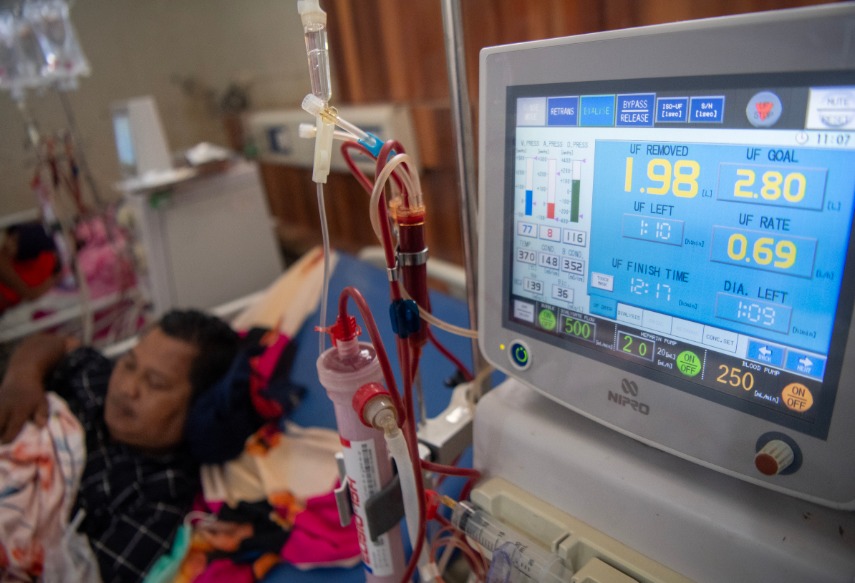
The Chairman of the Indonesian Private Hospital Association (ARSSI), Iing Ichsan Hanafi, stated that the weakening of the Rupiah against the US Dollar (USD) has had a profound impact. “We in hospitals are very heavily impacted because the prices of medicines and Single-Use Medical Supplies (BMHP) are increasing,” Iing said on Tuesday.
Furthermore, the current economic situation is causing hospital cash flows to become unstable. This is compounded by the fact that hospital cash flows are already struggling due to several pending BPJS (National Health Insurance) claims.
It is noted that the decline in the Rupiah’s value can lead to higher medicine prices, primarily because a large portion of pharmaceutical raw materials in Indonesia is still imported. The government is attempting to control potential price hikes by implementing procurement relaxations, providing flexibility for the pharmaceutical industry to source and divert raw material supplies from other countries offering more affordable prices.
A second impact is the rising cost of reagents, cartridges, test strips, and other materials used for various diagnostic tests. Much like pharmaceutical raw materials, many of these reagents and components are still imported and are therefore affected by the high USD exchange rate.
As the Rupiah exchange rate breached the Rp18,000 per USD mark, Professor Tjandra Yoga Aditama warned of five serious impacts on health, including the rising prices of medicines and medical devices. Meanwhile, the National Police Chief, General Listyo Sigit Prabowo, has emphasised that authorities will take firm action against ‘mafias’ responsible for driving up domestic medicine prices, noting that raw material costs are a primary driver.
In response to the high cost of conventional medicines, the Acting Head of BPOM, Taruna Ikrar, suggested that the production of phytopharmaceuticals or herbal medicines, which have proven potential, could be developed. Additionally, plans are underway for the inauguration of 21 Regional Public Hospitals (RSUD) by President Prabowo in May 2026, aimed at providing specialist access to regional residents without requiring travel to major cities.