
Weak Rupiah Threatens Plantation Business Chain? Seed Entrepreneurs Speak Out
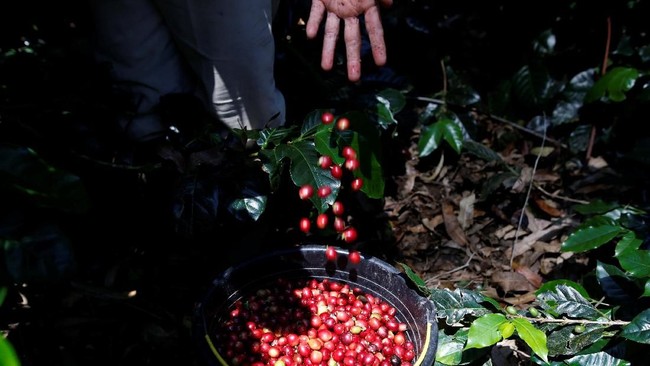
The plantation downstreaming programme is beginning to yield economic impacts in rural areas. The development of various plantation commodities is seen as not only increasing production but also driving downstream sectors, such as seed production.
Through the Ministry of Agriculture, the government is currently focusing on developing seven strategic commodities: sugarcane, coffee, cocoa, coconut, pepper, nutmeg, and cashew. For the 2025-2027 period, the government has prepared a budget of approximately Rp9.5 trillion for the development of smallholder plantations, with a target of reaching 870,000 hectares.
The Chairman of the Indonesian Plantation Plant Seed Breeders Association, Badaruddin Sabang Puang, stated that there are currently over 200 million plantation plant seedlings available in nurseries for various commodities, including cocoa, coffee, coconut, nutmeg, pepper, and cashew. Additionally, more than 5,000 hectares of seed gardens have been established.
“It is important to remember that most of the seed producers involved are MSMEs. This involves approximately 170 providers and 300 breeding partners. Most of them invest upfront using bank funds, self-funding, or investors, given that payments are made after the seeds are distributed,” said Badaruddin.
These activities are creating significant secondary economic effects in the regions, ranging from logistics businesses and fertiliser suppliers to polybag and shade net providers, all of which are moving in tandem with increased seed production activity.
He estimates that this programme has absorbed around 120,000 workers in rural areas. Specifically, for the development of sugarcane seed gardens, there are approximately 100 delivery fleets operating daily to distribute seeds to various regions.
“There is approximately Rp750 billion in MSME investment in this activity,” explained Badaruddin.
However, amidst the momentum of the downstreaming programme, the seed industry is now facing new pressures due to the strengthening of the US Dollar, which has breached the Rp17,600 mark. The exchange rate increase is said to be driving up production costs at the breeder level.
Badaruddin noted that the weakening Rupiah directly impacts the prices of various production factors that still rely on imported raw materials, particularly fertilisers and other agricultural necessities.
“The rise in the US Dollar value is certain to affect the increasing cost of seed production due to the rising prices of production factors such as fertilisers, pesticides, polybags, labour, as well as other agricultural tools and materials,” said Badaruddin.