
Weak Rupiah Causes Headaches, but Turkish Lira is Suffering More
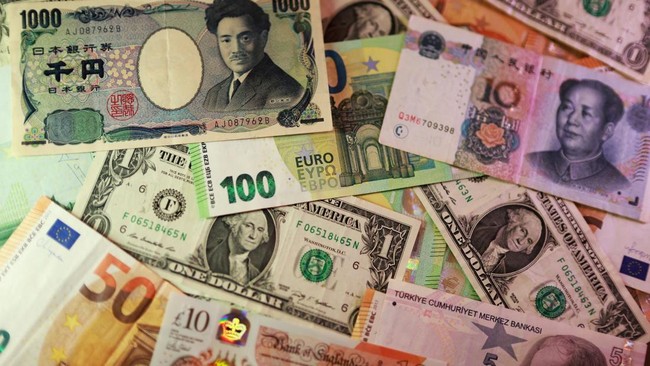
The rupiah exchange rate remains under pressure against the US dollar. Nevertheless, the rupiah’s performance this year is not the worst in the world, as several other currencies have recorded even deeper depreciations against the US dollar.
According to Refinitiv data, the rupiah ended in the red with a 1.03% decline to the level of Rp17,640/US$ at the close of trading on Monday (18/5/2026). This position has caused the rupiah to record its weakest closing level in history.
This depreciation extends the pressure that has been ongoing for some time. The rupiah has not only weakened on a daily basis but has also been under significant pressure since the beginning of the year. Year-to-date (YTD) as of Monday’s trading, the rupiah has weakened by 5.82% against the greenback. This pressure has placed the rupiah on the list of the world’s most pressured currencies so far this year.
However, is the rupiah the worst currency in the world? The answer is no. Nonetheless, the rupiah’s position remains concerning as it has entered the top 10 list of currencies with the deepest depreciation against the US dollar YTD. Based on data obtained by CNBC Indonesia from Refinitiv, the rupiah ranks 9th out of the 10 currencies with the largest depreciation against the US dollar so far this year.
Iran and Venezuela are the Worst
The sharpest currency depreciation occurred in the Iranian rial. The Iranian currency collapsed by more than 3,000% against the US dollar YTD. The massive pressure on the rial is inseparable from the escalation of the US-Iran war, which has shaken the country’s economic and financial stability. The prolonged conflict has increased risks to Iran, ranging from sanctions and trade disruptions to pressure on foreign exchange reserves and the collapse of market confidence in the domestic currency. In such conditions, demand for the US dollar typically surges as the public and businesses seek to protect the value of their assets.
Second place is held by the Venezuelan bolivar, which has weakened by 70.9% against the US dollar. Pressure on the bolivar comes amidst political and security unrest following US military operations that led to the arrest of President Nicolas Maduro in early 2026. This political turmoil has added pressure to the Venezuelan economy, which was already fragile due to hyperinflation, a crisis of confidence, and a heavy dependence on oil. Political uncertainty has made it increasingly difficult for the bolivar to withstand the US dollar.
Turkish Lira Also Under Pressure
Additionally, the Turkish lira is also on the list of the largest depreciating currencies, having fallen by 6.12% YTD against the greenback. Pressure on the lira primarily stems from persistently high inflation, the need for exchange rate stabilisation, and challenges regarding Turkey’s monetary policy. The Central Bank of Turkey must maintain high interest rates to curb inflationary pressures and maintain market confidence in the lira. Turkey is also sensitive to energy price movements. When oil prices rise due to conflicts in the Middle East, inflationary pressures risk increasing. This condition limits the scope for monetary policy easing and adds further pressure to the lira.