
We Speak Gently to the Deceased as Their Face and Skin Appear Cleaner and Brighter After Washing
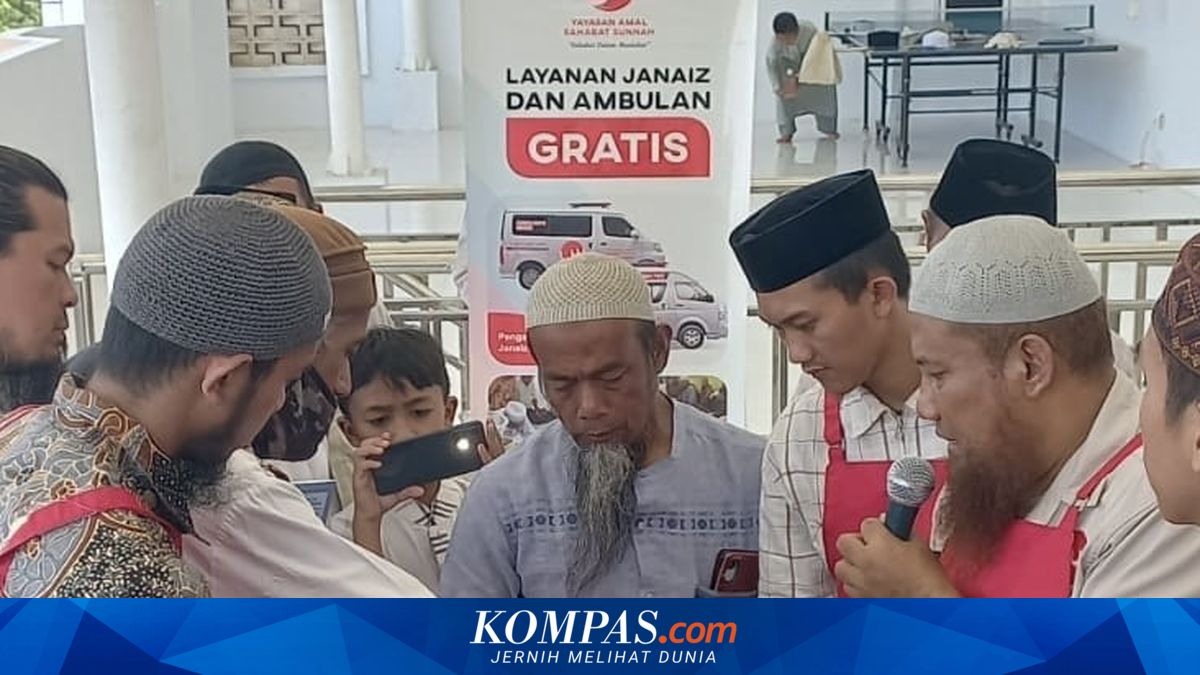
Not many people are willing to face death directly. While most choose to avoid mourning, a group of volunteers step closer. They wash the deceased, clean lifeless bodies, shroud them, and assist families through one of life’s hardest moments. They do this without charge, without fixed payment, often leaving work and personal commitments upon receiving news of a death. For some, the job may seem frightening, but for these volunteers, it is a form of service and an effort to gain blessings by helping fellow Muslims receive a dignified final tribute.
Ayu (not her real name), 41, coordinator of the Female Deceased Care Service Team at Imam Asy-Syafi’i Mosque, said the service had previously existed but was inactive for a long time. With community demand and a desire among residents for burials to follow sunnah, the volunteer team was reformed. “This service existed before but was inactive for a long time. Due to community needs and the Muslim community’s desire for burials to follow sunnah, we spontaneously reformed the team,” Ayu told Kompas.com during an interview on Friday, 29 May 2026.
The female team currently has around eight to ten active members, though typically four to five attend each service, depending on availability. They serve Depok and surrounding areas, even handling cases in Citayam when families request sunnah-compliant washing.
All services are free, especially for low-income families. Beyond washing and shrouding, the team also provides shroud cloth and coordinates with free ambulance volunteers.
“Our main goal is to seek Allah’s reward for serving the deceased,” Ayu said.
Behind the calm exterior, washing a corpse isn’t always easy. Ayu recalls one particularly difficult case where a deceased had been hospitalised for a long time with a large wound on the back, exposing bones. Blood and bodily fluids continued to leak during washing, requiring extra care.
“The washing process was very difficult and took over three hours. We had to support the body in a specific position to clean it,” she said. After finishing, the entire team was exhausted; Ayu nearly fainted from fatigue.
Another lasting memory was handling a body washed a day after death, with skin already darkening. The team still treated it with respect.
“We even spoke gently to the deceased. After washing, their face and skin appeared much cleaner and brighter. It was a profound experience for me,” Ayu said.
Beyond physical challenges, the team often faces family disagreements over burial procedures.
“Such situations often require discussion to reach consensus,” she said.
For Fatimah (not her real name), a 50-year-old woman, becoming a deceased washer wasn’t a career she had envisioned. She joined the service during the Covid-19 pandemic in 2020 after a friend invited her to training. Initially, she just wanted to learn, but the activity became a significant part of her life.
“When my mother passed away, I was far away in Kalimantan and couldn’t see her for the last time,” Fatimah said. This loss drove her to help others avoid similar sorrow.
“That’s when I wanted to wash the deceased and assist those going through the same pain,” she said.
Source: jawawa.id (https://jawawa.id/newsitem/we-speak-gently-to-the-deceased-as-their-face-and-skin-appear-cleaner-and-brighter-after-washing-1780056323)
Originally published by Kompas (https://megapolitan.kompas.com/read/2026/05/29/18091361/kami-bicara-lembut-pada-jenazah-setelah-dimandikan-wajah-dan-kulit-cerah?utm_source=ABC&utm_medium=rss), translated from Indonesian