
We, Algorithms, and the Loss of Self
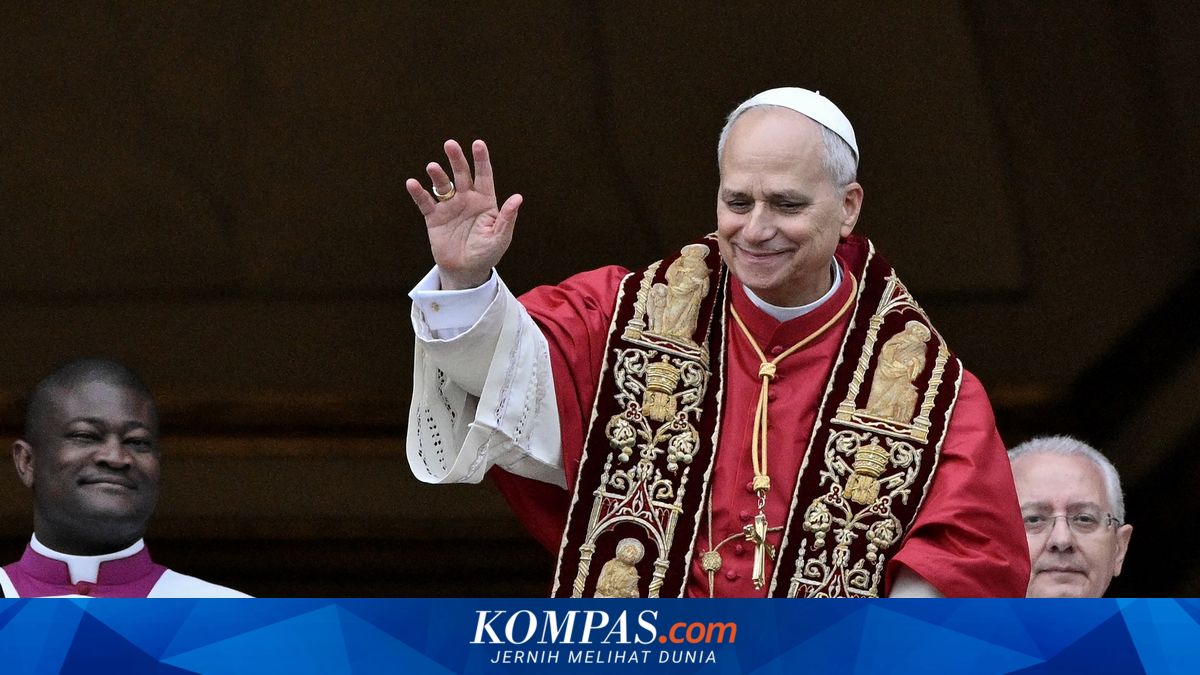
News about Pope Leo XIV’s criticism of using artificial intelligence for war machines and profit accumulation feels like a warning that can no longer be ignored. It is not a ordinary moral call, but a sign that a shift is underway in how we understand ourselves and the world. Behind the screens we touch daily, systems operate that do more than assist—they shape decisions without us fully realising. We’re accustomed to delegating trivial choices— travel routes, viewing selections, even daily news— to algorithms. This habit seems mild but gradually alters our relationship with choice itself. Data shows 64% of global internet users rely on algorithmic recommendations for daily information consumption (Reuters Institute, 2023). Meanwhile, around 70% of content viewed on major digital platforms comes from automated recommendation systems (YouTube, 2022; The Verge, 18 August 2022). In this context, the notion that humans are the primary arbiters of truth is beginning to falter. On one hand, technology promises efficiency. On the other, it cultivates a way of thinking increasingly reliant on calculable patterns. When human experience is no longer the primary foundation, we start accepting decisions based on probability. This is not merely a technical change, but a shift in how we perceive reality. We no longer ask ’ what is true,’ but ’ what is most likely true according to the data.’ The consequences of this shift extend beyond digital spaces, into the military realm. UN reports indicate over 30 countries have developed or tested autonomous weapon systems (UNODA, 2023). These technologies can identify targets with high accuracy, but lack social context understanding.