
Wave of Hate in Malaysia Peaks, Nine Refugee Schools Closed
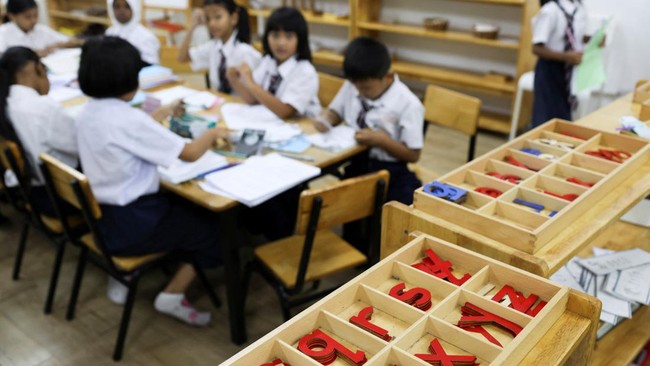
A wave of hate speech and misinformation targeting Rohingya refugees in Malaysia has triggered the closure of at least nine refugee schools across the country. The situation has left many Rohingya children without access to education as they fear becoming targets of intimidation and violence.
One victim is Nur, 12, a Rohingya Muslim refugee who stopped attending school in June after being threatened by two men while walking to class. According to human rights groups and educators, Nur is just one of many Rohingya children who have experienced harassment and threats, prompting refugee schools in Malaysia to suspend learning activities. “The children are so terrified that they are afraid to leave their homes,” said Rohingya community activist Sharifah Shakirah, who was raised in Malaysia. She added that the impact of the intimidation will not be short-lived.
A Reuters review showed that at least nine Rohingya schools across Malaysia have been closed after hate speech and misinformation campaigns on social media triggered stricter scrutiny of the Rohingya community while also raising concerns about digital platform regulation. Malaysia does not officially recognise the Rohingya as refugees and categorises them as illegal immigrants, even though approximately 120,000 are registered as refugees with the United Nations High Commissioner for Refugees (UNHCR).
As a Muslim-majority country, Malaysia was known for years to be sympathetic towards the Rohingya minority persecuted in Myanmar. However, public opinion shifted during the Covid-19 pandemic when accusations emerged that the refugees were spreading the virus, disrespecting cultural norms, and competing for jobs. Last week, Deputy Foreign Minister Lukanisman Awang Sauni told parliament that the public is now beginning to feel burdened.
A fresh wave of hate speech emerged in May on social media platforms owned by Meta and TikTok after rumours circulated regarding hygiene linked to an animal sacrifice ritual performed by a Rohingya group. An online petition urging the government to “expel” Rohingya refugees was eventually removed in June after human rights groups voiced concerns. Before its removal, the petition had gathered nearly 500,000 signatures.
Sharifah said the current situation is far worse than during the pandemic. “What we are seeing now is a hundred times worse than during the Covid pandemic,” she said. Reuters found several social media posts that openly encouraged violence against Rohingya refugees, including children. One topic on Threads even used the title “Lempang Rohingya” (Slap the Rohingya), while a number of influencers urged users to record Rohingya settlements and report their locations to the authorities.
Despite the rising negative sentiment on social media, Home Minister Saifuddin Nasution Ismail stated in June that the government cannot simply deport the refugees. He said the government would respond by “balancing national security with humanitarian values”, but did not elaborate on the steps to be taken.
Free expression advocacy group Article 19 assessed that the online campaign has triggered investigations, raids, and the closure of Rohingya schools. According to the organisation, the government’s approach has worsened the situation. “The government’s punitive measures are causing more harm than reducing tensions and harassment.”
The UNHCR also expressed concern over the increasing hate speech, disinformation, and degrading narratives targeting the Rohingya and other refugee groups. “We continue to monitor the situation closely and support measures that can reduce risks for both refugees and host communities.” However, the UNHCR did not specifically address the school closures.
The Malaysian government has also shut down several schools and businesses linked to the Rohingya community for operating without official permits. Refugees are not allowed to work legally in Malaysia, and their children cannot access the national education system. As a result, many rely on schools run by non-governmental organisations or informal learning centres.
After Nur was intimidated, her teacher and school manager decided to suspend learning activities indefinitely for safety reasons. Two other refugee schools in the vicinity were also closed. The teacher said Rohingya children were even chased when playing in public parks. He established the school in 2022 to provide basic education for Rohingya children so they would be prepared if resettled in another country or able to return safely to Myanmar. The teacher, who is also a Rohingya refugee, denied accusations that the school aimed to make the refugees settle permanently in Malaysia or take jobs from locals. “Many accuse us of violating Malaysian law. For me, establishing this school is one way to teach others to understand and obey the law,” he said.
In the state of Kedah, authorities this month also closed a school for lacking a permit after a video of the school building circulated on social media, according to a teacher who requested anonymity. Teachers at three Rohingya schools that remain operational said they are now taking various precautionary measures to avoid being targeted, including banning students from wearing uniforms and cancelling all outdoor activities.
Sharifah warned that the closures are creating a lost generation of Rohingya children who are denied education and trapped in a cycle of poverty and marginalisation.