
Water that tests leadership
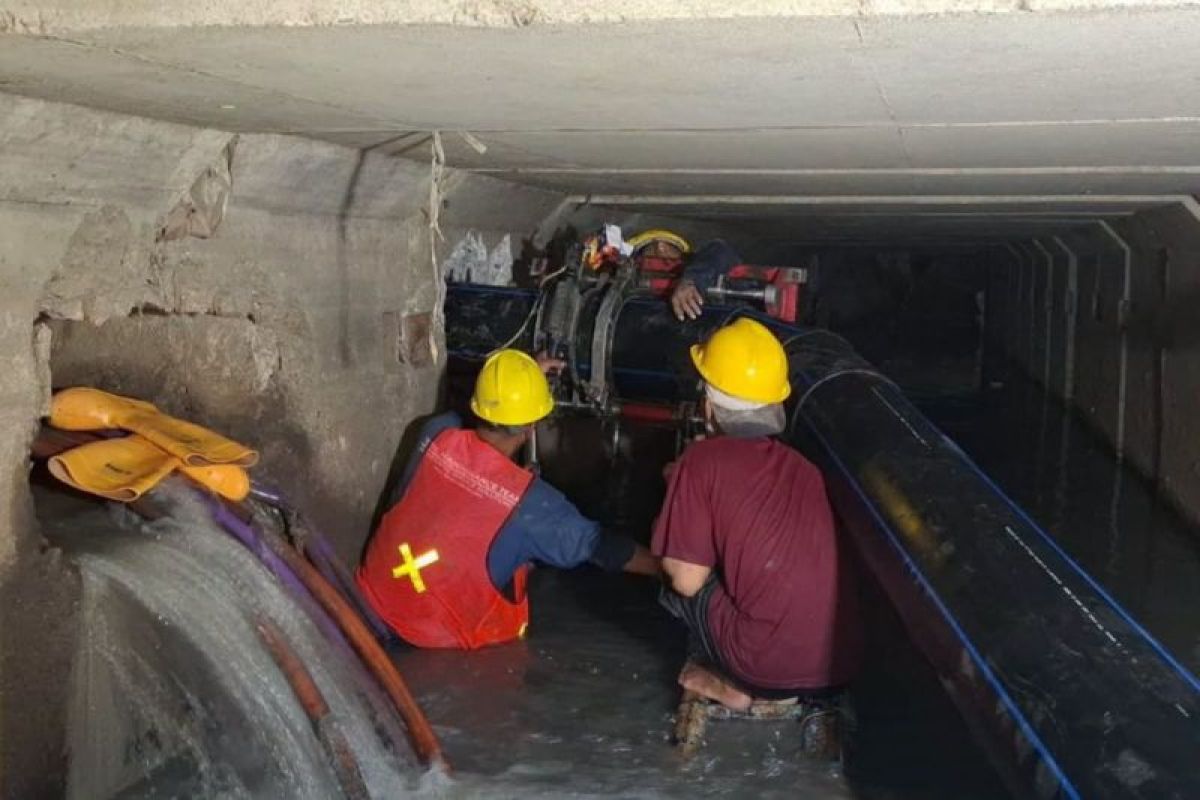
A drop of water flowing from a household tap may seem simple. Yet behind that flow lies a long chain of work involving raw water sources, treatment plants, pipe networks, technology, financing, and corporate governance.
When water stops flowing or only comes out at certain times, the problem is not merely a technical disruption. Public trust in public services is also at stake.
Therefore, the appointment of the new Board of Directors of Perumda Air Minum (PAM) Surya Sembada Surabaya for the 2026–2029 period is not merely a change of leadership at a regional-owned enterprise (BUMD).
This moment marks the beginning of a new chapter in addressing the increasingly complex challenges of drinking water provision amid urban growth, climate change, rising community needs, and ever-higher demands for public services.
The selection process, which involved administrative stages, competency tests, psychological tests, focus group discussions (FGD), business plan presentations, and interviews, shows that the city government is striving to bring in leaders who not only understand the business side but also possess integrity and a service-oriented vision.
This expectation is important because a water utility has a different character compared to other business entities. Its success cannot be measured solely by the size of its profits, but rather by the growing number of residents who receive quality clean water services.
This is where the real challenge begins. The new directors do not have much time to adapt. The public is waiting for tangible results rather than a change of officials’ names.
What residents want to feel is water that flows more smoothly, stable pressure, maintained quality, and faster service when disruptions occur.
Providing drinking water in a large city has never been a simple task. The pipe infrastructure must be continuously expanded as residential areas develop.
On the other hand, installations that have been operating for years also require maintenance and modernisation so that water losses can be reduced and distribution becomes more efficient.