
Water Requirements for AI Data Centre in Jatiluhur Under Scrutiny, Says West Java Provincial Government
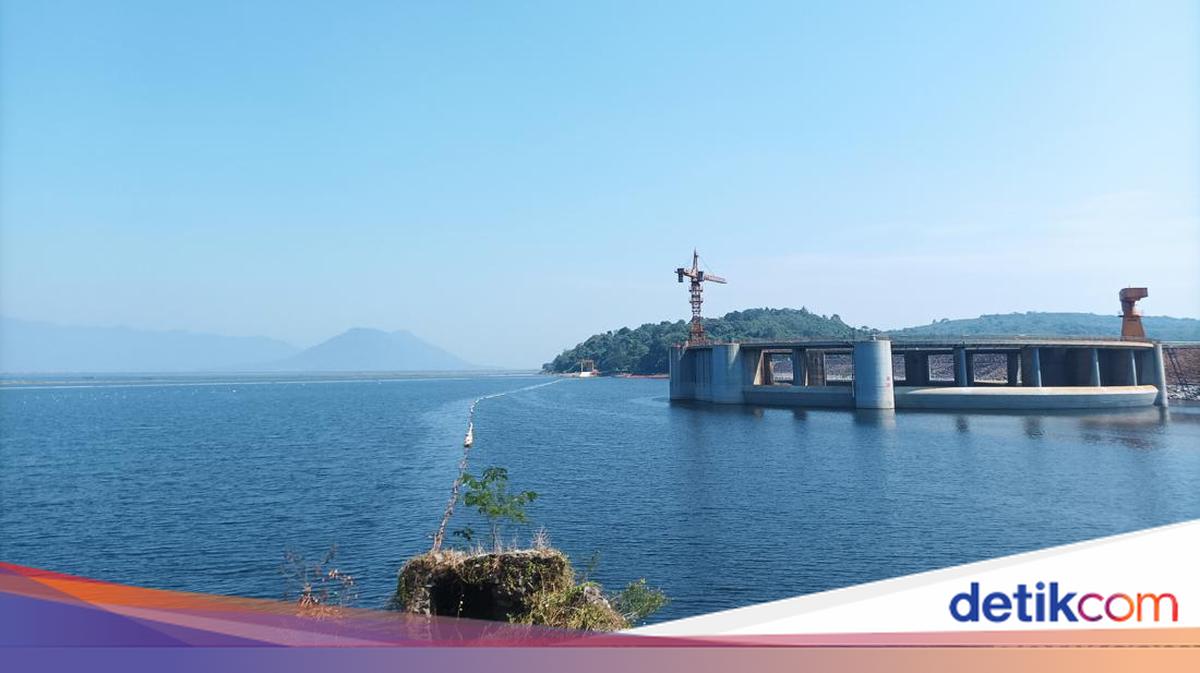
The Governor of West Java, Dedi Mulyadi, has spoken out regarding concerns over the water requirements for an artificial intelligence (AI) based data centre in the Jatiluhur area, Purwakarta Regency. He emphasised that the project’s water needs must be calculated from the beginning to avoid disrupting water allocations for the agricultural sector.
Concerns regarding water usage were previously highlighted by the West Java Regional House of Representatives (DPRD) regarding the construction of the data centre. In addition to investment and potential job creation, the water requirements for operating such a large-capacity data centre are deemed to require serious attention.
The project is known to have an investment value of Rp 3.5 trillion, built on 8,000 square metres of land with a development area reaching 11 hectares. The data centre has an electrical power capacity of up to 120 megawatts (MW), with a potential expansion capacity of up to 640 MW. The project was previously inaugurated by West Java Governor Dedi Mulyadi on Tuesday (22/09/2026).
Dedi Mulyadi stated that the issue of water should not be discussed only when the data centre is already in full operation, especially as the project is being developed in stages with increasing capacity.
Based on the information received by Dedi, the water requirements for the data centre could reach approximately 384 litres per second (LPS) or about 0.4 cubic metres per second. If operating at that level, water consumption is estimated to reach around 33,000 cubic metres, or 33 million litres per day.
However, these requirements will not reach maximum levels immediately. In the initial phase, water needs are reported to be around 6,000 cubic metres per day, increasing alongside the development of the facilities.
Dedi explained that the mechanism for supplying water to the data centre will not draw directly from the Jatiluhur Reservoir managed by PJT 2. Instead, the water source will be purchased from the local water utility company (PDAM) as a commercial consumer.
“The water is still taken from Jatiluhur, but it goes through the PDAM. This means the water is taken from Jatiluhur, enters the PDAM, and then the water is purchased from the PDAM,” Dedi said in his statement.
Dedi noted that this mechanism must be distinguished from direct water extraction from reservoirs or rivers, as water from those systems has various allocations, including for agricultural needs.
He requested that the issue of data centre water requirements not be discussed based on assumptions. He urged that the water sources and the volume of requirements for every project be inspected transparently.
“Let us be objective. What is the actual requirement?” he asserted.
Dedi also emphasised that the water from the Jatiluhur system has a wide scope of use, serving not only the people of Purwakarta but also being allocated to several other regions.