
Water Becomes a New Global Threat: Drought Today, Floods Tomorrow
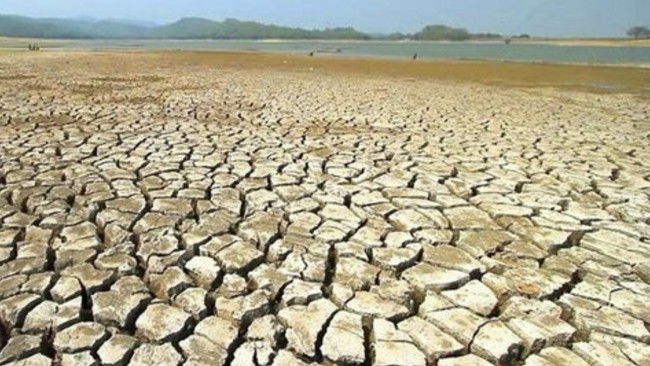
Water is increasingly becoming one of the world’s primary risks. Pressure stems not only from droughts but also from changing rainfall patterns, flooding, growing water demand, and unsustainable resource management.
The issue is becoming more complex as water needs continue to rise across the household, agricultural, industrial, and energy sectors. Conversely, supply is becoming increasingly unpredictable due to climate change and extreme weather.
The Food and Agriculture Organization of the UN (FAO) notes that agriculture is the largest user of freshwater globally, accounting for approximately 72% of total freshwater withdrawals. This situation makes sustainable water management essential to maintain food production while avoiding the overexploitation of water sources.
El Niño Could Intensify Water Pressure
One factor currently drawing significant attention is El Niño. iSciences, in its Worldwide Water Watch List for June 2026, noted that the probability of El Niño forming has increased to 80% for the 2026 summer season. This shift in Pacific sea surface temperatures can alter rainfall patterns across various regions of the world.
However, the impact is not always drought. In the western United States, Colorado is experiencing severe drought conditions after winter snow and spring runoff fell below normal levels. The Colorado River system itself serves as a water source for more than 40 million people and irrigates approximately 5.5 million acres of farmland.
In East Africa, prolonged drought is also straining food security. Around 42 million people in Ethiopia, Somalia, Kenya, and Sudan are facing acute food insecurity.
One Phenomenon, Opposing Impacts
El Niño does not impact every region in the same way. While some areas face water deficits, others may experience water surpluses and flooding.
iSciences noted that flooding since the end of 2025 has affected approximately 1.5 million people in southern Africa, killing more than 300 people and forcing over 170,000 people to displace. This condition demonstrates that a water crisis does not only mean a shortage of water; too much water in a short period can also be a problem, especially when the capacity of rivers, drainage, and infrastructure is unable to contain it.
El Niño is projected to strengthen deficits in the Horn of Africa throughout 2026, but simultaneously maintain surpluses and flood risks in several regions of southern Africa. This means the primary challenge is not merely providing more water; management systems must also be capable of handling two extremes simultaneously: drought and flood.
War Can Also Exacerbate the Water Crisis
Water pressure can be further worsened by conflict. War can destroy dams, pipeline networks, treatment plants, and desalination facilities, which are vital components of public water supplies.
Iran is one of the most recent examples. The country had been experiencing drought for years before conflicts with the United as well as Israel worsened its water infrastructure conditions. Al Jazeera reported that several desalination facilities, pipes, and civil water infrastructure suffered damage during the conflict. Attacks on water facilities also directly impact the community. In June, a facility supplying drinking water to more than 20,000 residents in Kouhestak and 10 surrounding villages was reported to have been hit.
This implies that war is not always the initial cause of a water crisis; however, conflict can exacerbate regions that were already under pressure due to drought, limited supply, or poor management.
Iran: When Water is Used Faster Than Nature Can Replenish
Iran’s water crisis is not only triggered by climate change. The country also faces excessive water use, groundwater exploitation, and inefficient management systems. The World Resources Institute categorises Iran as a country with very high baseline water stress. In 2025, water usage reached approximately 100 billion cubic metres, while renewable water sources were only about 87 billion cubic metres.
The impact is visible in Lake Urmia. The lake’s area, which was nearly 6,000 km² in the 1990s, has now shrunk to about 581 km², or less than 10% of its original size. Agriculture is the largest water user, absorbing about 91% of Iran’s water withdrawals, far above households at 7% and industry at 2%. The case of Iran shows that a water crisis is not just about reduced rainfall; how water is used and managed is also a decisive factor in a nation’s water security.
Indonesia Must Also Remain Vigilant
While Indonesia has high rainfall, it still faces the risk of water shortages. iSciences notes that moderate to severe water deficits are visible in several regions of Sumatra, Kalimantan, and Java by mid-2026. El Niño is also expected to expand water deficits in Indonesia throughout the second half of this year.
Projections from BMKG also show that 56.18% of Indonesia’s land area is potentially subject to a dry season with below-normal rainfall in 2026. This condition could increase the risk of raw water shortages, agricultural disruptions, and even forest and land fires. For Indonesia, the challenge is not only meeting household needs; water also supports agriculture, industry, energy, and ecosystems, meaning management must become increasingly efficient and measurable.
How Should Water Be Managed?
Sustainable water management must be carried out in an integrated manner, rather than just by searching for new water sources. One approach is Integrated Water Resources Management (IWRM), which regulates the needs of households, agriculture, industry, and ecosystems within a single framework. Efficiency is also key, particularly through more water-efficient irrigation, wastewater reuse, rainwater harvesting, and technology-based monitoring. Cities can also utilise nature-based solutions such as green spaces and wetlands.
Source: jawawa.id (https://jawawa.id/newsitem/water-becomes-a-new-global-threat-drought-today-floods-tomorrow-1788260218)
Originally published by CNBC Indonesia (https://www.cnbcindonesia.com/research/20260831150758-128-763723/air-jadi-ancaman-baru-dunia-hari-ini-kekeringan-besok-bisa-banjir), translated from Indonesian