
Waste-to-Energy Project to Power 55,000 Homes in Bekasi
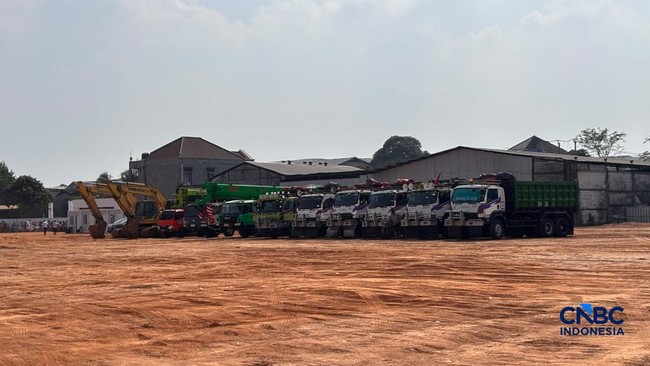
The Daya Anagata Nusantara Investment Management Agency (BPI Danantara) has officially commenced construction of a waste-to-energy (PSEL) project in Bekasi. The project, with a total investment of Rp 3 trillion, will be able to supply electricity to up to 55,000 households in Bekasi, West Java.
BPI Danantara Chief Investment Officer Pandu Sjahrir explained that the construction of the Bekasi PSEL is in line with the government’s green infrastructure development. He stressed that the project has undergone a rigorous evaluation and partner screening process.
“This initiative will produce green energy that can meet the needs of 55,000 households in Bekasi,” Pandu said at the groundbreaking ceremony for the Ciketing Udik PSEL project in Bekasi on Wednesday (26/8/2026).
Pandu explained that the waste processing project could create up to 1,000 jobs and reduce the need for landfill space by up to 90%. The project is also targeted to significantly reduce the land required for final disposal sites through the use of technology that adheres to European industrial emission standards.
The electricity generated from the project will be purchased by state-owned PT PLN (Persero). This was formalised through the signing of a Power Purchase Agreement (PPA) between PLN and PT Wangneng Bekasi Environment Nusantara.
The project is targeted to process more than 500,000 tonnes of waste per year, or around 70% of the processed waste generated in Bekasi. From an environmental perspective, the Bekasi PSEL is also projected to reduce waste emissions from final disposal sites by up to 80% and cut carbon emissions by 640,000 tonnes of CO2 equivalent per year.
Coordinating Minister for Food Zulkifli Hasan said the government continues to oversee the programme to address uncontrolled waste accumulation in various regions. He revealed that his ministry has simplified hundreds of regulations into just a few key rules to make it easier for investors in the renewable energy sector.
“The regulations on waste management, waste to energy, there were many more. Hundreds of regulations. That is why in 11 years there were only two. We tidied this up. From here, only three remain. We oversee the entire process until it can be implemented like this,” Zulkifli said.
The government is targeting a significant improvement in resolving the national waste problem over the next few years through the construction of more than a dozen new PSEL facilities. Zulkifli expressed confidence that through close cooperation with regional governments and strategic partners, the long-standing waste crisis can soon be resolved.
“God willing, by 2029 we can resolve 70-75% of this waste problem. Since Indonesia’s independence until today, the problem has only grown. But in the next 2-3 years we can solve it, I believe, as long as we can cooperate with all parties,” he concluded.