
Waste sorting at source in Thousand Islands reaches 59 percent
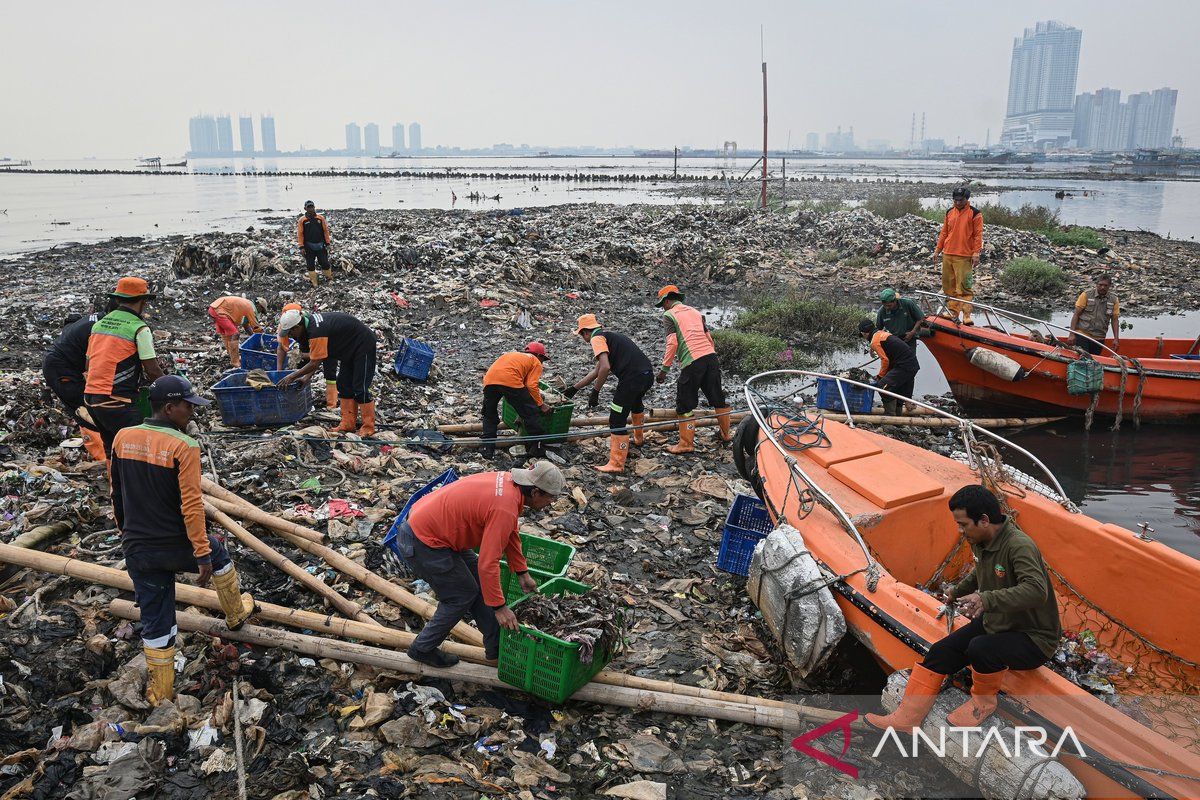
Jakarta (ANTARA) - Head of the Thousand Islands Environmental Sub-agency Achmad Hariadi said the achievement of waste sorting from source by the local community in the island region has reached 59 percent. “The implementation of Governor Instruction Number 5 of 2026 concerning the Waste Sorting and Processing Movement from Source in the Thousand Islands has reached 59 percent,” said Achmad Hariadi in Jakarta on Friday. He said collaboration from all parties is still needed to continue improving waste management in the island region. According to Achmad, waste management is currently being carried out on eleven inhabited islands, one of which involves utilising it as animal feed on Untung Jawa Island. “Duck farming on Untung Jawa Island is the first and is ready to become a solution for handling organic waste,” he explained.
Meanwhile, Thousand Islands Regent Muhammad Fadjar Churniawan said community-based waste management still needs to be strengthened so it can be implemented thoroughly across the Thousand Islands. This is in line with the DKI Jakarta Governor’s directive that waste from the Thousand Islands should no longer be transported to mainland Jakarta. The waste sorting movement involving sub-district and urban village heads is currently running quite well. However, strengthening waste management infrastructure is still needed so that the target of reducing waste shipments to the mainland can be achieved optimally. One of the efforts being made is utilising the role of Individual Other Service Providers (PJLP) as educational agents for source-level waste sorting who interact directly with the community. “Therefore, officers are not only carrying out their main duties, but are also expected to become the spearhead of environmental education, especially regarding the importance of sorting waste starting from the household,” said Fadjar.