
Waste sorting at home key to RDF success, says Jakarta councillor
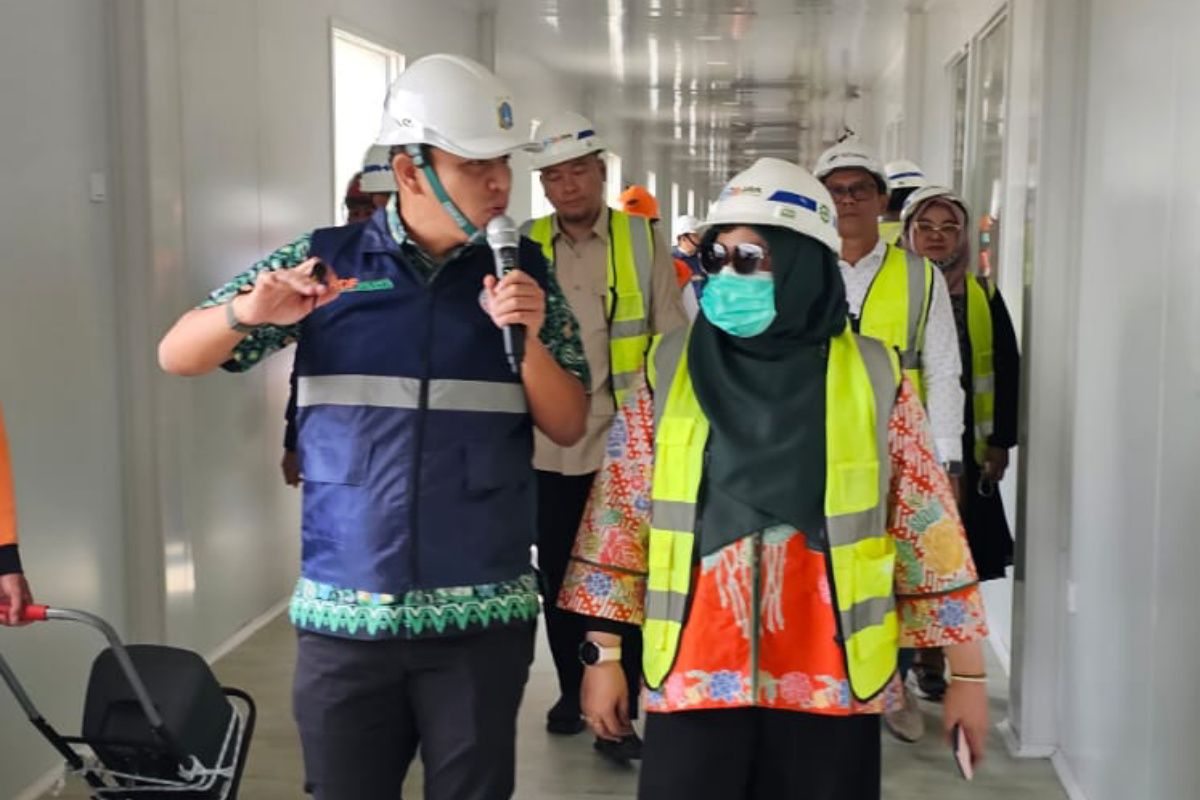
Jakarta (ANTARA) - Nabilah Aboebakar Alhabsyi, a member of Commission D of the Jakarta DPRD, emphasised that the success of Refuse Derived Fuel (RDF) technology depends not only on waste processing machinery but also on the readiness of the system from upstream to downstream.
“RDF will only be effective if the community sorts waste starting from their homes. If waste remains mixed, the processing results will not be optimal,” Nabilah said in Jakarta on Friday.
This was stated by Nabilah while participating in a review by the Special Committee (Pansus) on Waste Management of the Jakarta DPRD at the Rorotan RDF Plant facility.
According to her, RDF currently faces various challenges, particularly regarding the quality of incoming waste, which does not yet meet standards due to minimal sorting at the source.
She assessed that the Jakarta Provincial Government, through the Jakarta Environmental Agency, must strengthen massive education and campaigns regarding waste sorting at the community level.
In addition, the government must also prepare adequate supporting facilities, including large-capacity compactor fleets that are enclosed, leak-proof, and capable of maintaining waste quality during the transportation process.
“If the government asks the community to sort waste, then the government must also ensure that the collection system is supportive. We must not allow a situation where the community is disciplined in sorting, but the waste ends up mixed again in the field,” she said.
Beyond technical aspects, Nabilah also highlighted the importance of market certainty for RDF products. She requested that the Jakarta Provincial Government not rely on a single company as a user of RDF, but instead begin preparing several alternative off-takers so that the produced product is fully absorbed and possesses economic value.
She assessed that Jakarta’s waste problem cannot be solved with a single approach. Integration is required between changes in community behaviour, the readiness of infrastructure, processing technology, and market certainty for the processed results.
“The solution is to build a complete system. Sort waste from home, strengthen fleets and supporting facilities, optimise RDF, and ensure the results have a clear market. If any of these links fail to function, Jakarta’s waste reduction targets will be difficult to achieve,” said Nabilah.