
Waste sorters to receive protection as green-collar workers: Minister
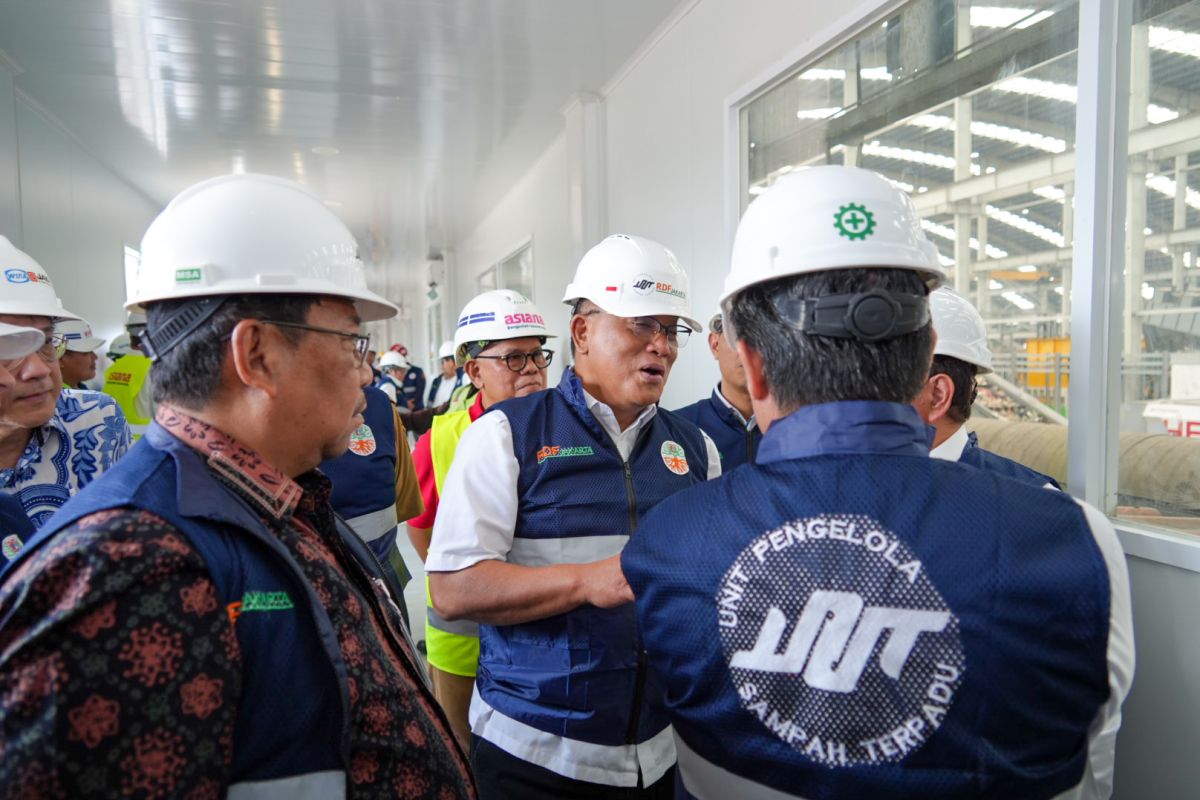
In a statement issued on Tuesday, Hidayat said the government is providing social protection for waste sorting workers, ensuring the shift toward a green economy also benefits those who have long played a vital role in managing waste.
“We are replacing the term to waste sorters. They play a vital role as the forefront of waste sorting before waste reaches processing facilities. Therefore, they deserve to be called Green Collar Workers or Environmental Heroes, who contribute directly to environmental sustainability,” Jumhur remarked.
Related news: RI develops pyrolysis tech to back waste-to-energy plants
The moment marks a new chapter in a state recognition for waste sorting workers, who have long stood at the vanguard of the national circular economy.
He highlighted the important role of the workers in reducing pressure on final disposal sites (TPAs), increasing national recycling rates, and supplying raw materials to the recycling industry, long before the circular economy became widely recognised.
The government is taking a firm step to change the old paradigm by removing the stigma attached to scavengers and recognising them as waste sorting workers or green collar workers.
The move not only affords them social dignity, but also guarantees tangible protection against the occupational risks they face daily, such as accidents, exposure to disease, and income instability.
Related news: Ministry supports Jakarta’s development of waste management technology
As a form of tangible protection, the government and BPJS Employment offer a 50 percent discount on premiums for Work Accident Security (JKK) and Death Security (JKM) to eligible informal sector workers.
In the same statement, Minister of Manpower Yassierli said the premium adjustment eases the financial burden on workers, reducing the cost from the previous Rp16,800 (US$0,92) per month to Rp8,400 (US$0,46) per month.
“This demonstrates the state’s commitment to ensuring that all workers, both formal and informal, have access to social safety nets when facing work-related risks,” Yassierli said.
Related news: Indonesia targets major progress on waste by end of 2027
Translator: Prisca Triferna, Resinta Sulistiyandari