
Waste Processing Machine in Klungkung Claimed to Prevent Hantavirus
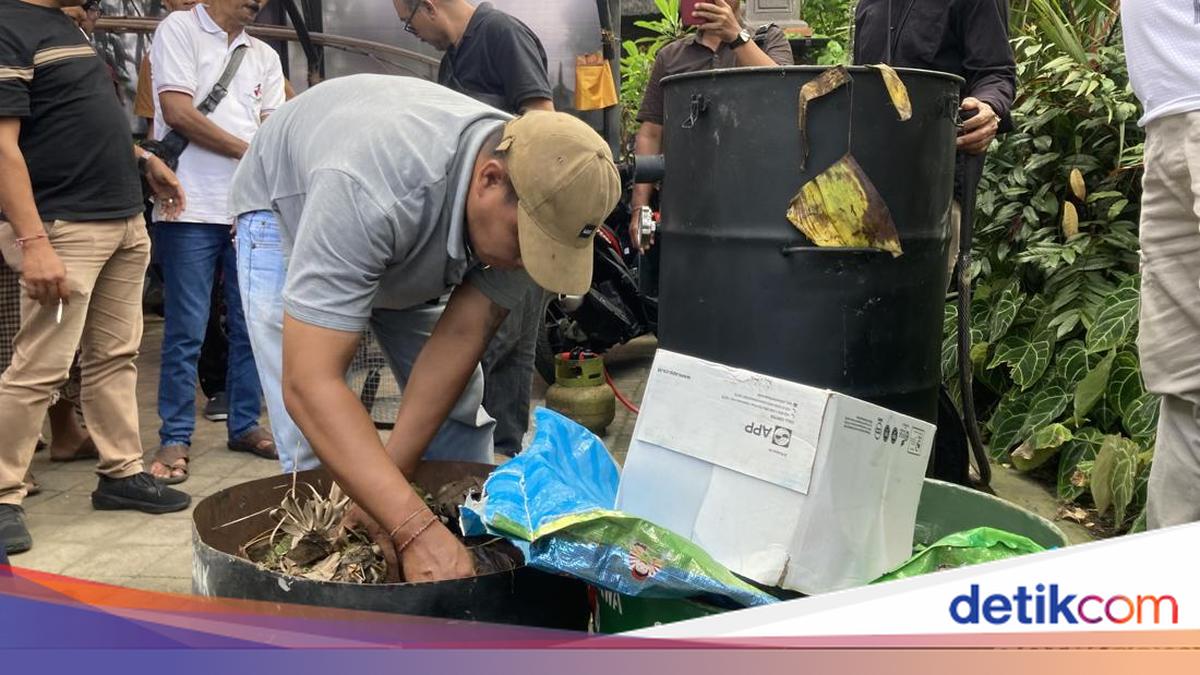
A mini organic waste processing machine was demonstrated by the Banjarangkan Village Government in Banjarangkan Subdistrict, Klungkung, Bali. The machine is claimed to prevent the transmission of Hantavirus. This was stated by SAS Foundation Board Member I Gusti Ngurah Putra Eka Santosa while explaining decentralised waste processing using a mini pyrolysis machine in Banjarangkan Village on Thursday (14/5/2026). “So, this is the correlation. Piles of unmanaged waste will become a home for rats. As we know, rats are carriers of the Hanta virus. Decentralised and centralised efforts are important. Thus, waste is managed, rats no longer nest, and the Hanta virus can be prevented,” explained Eka, who is also a lecturer at the Faculty of Medicine at Unmas Denpasar. The Klungkung Regency Government itself is said to be launching stem cell services. This is part of efforts to anticipate the handling of Hantavirus spread in Klungkung, especially in Nusa Penida. “So we will have therapy based on boosting immunity through Stem Cell. Many people avoid vaccines. With this, residents in Klungkung no longer need to worry,” he explained. At the same location, the Head of the Environmental and Land Agency (DLHP) I Dewa Komang Aswin welcomed the mini pyrolysis organic waste processing technology. The special organic waste processing machine brought by the SAS Foundation is considered very suitable for use in existing village waste processing sites. In addition to solving the problem of organic waste piles and the potential threat of hantavirus emerging through rats, the mini pyrolysis is also said to have economic potential. Where canang and banten, as well as organic waste from coconut leaves, will be dried into briquettes or charcoal. “We ourselves suggest that villages look at the opportunity to use this tool as a business field. So the drying results become charcoal for export to Europe,” said Aswin.