
Waste management in Jakarta must be regionally based
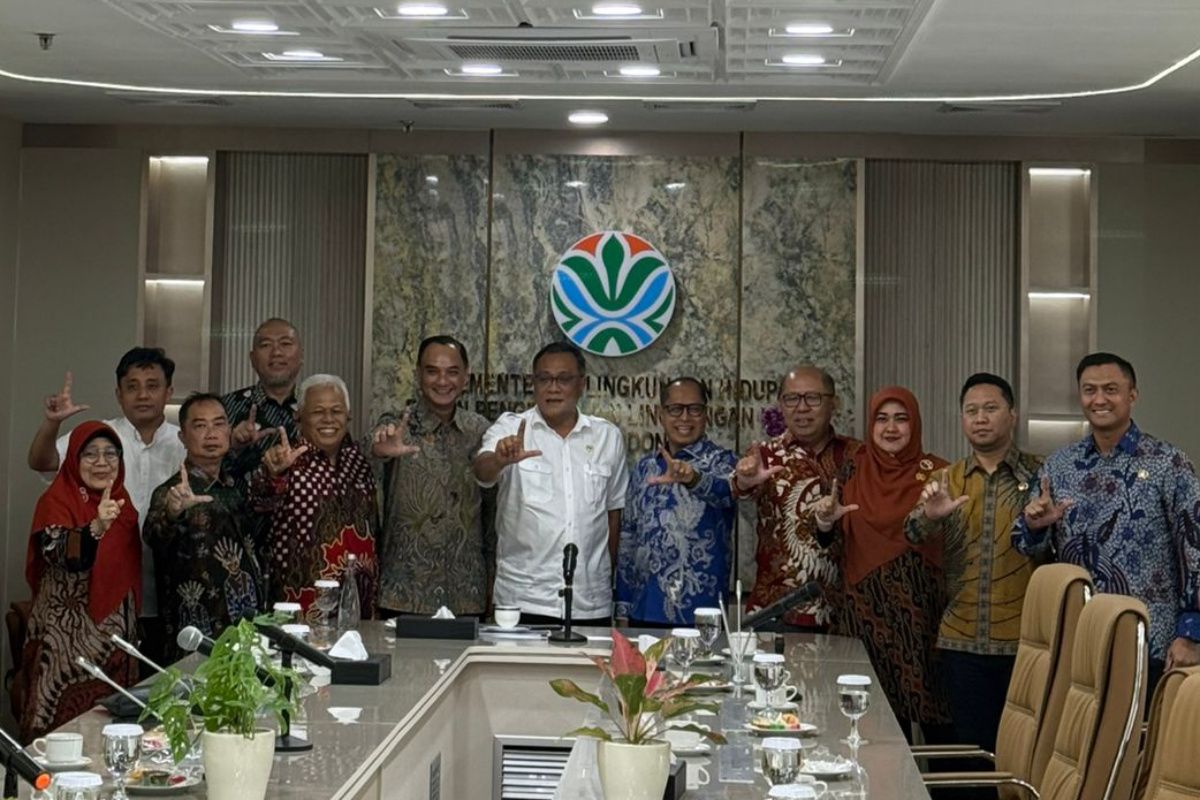
Jakarta - A member of Commission D of the Jakarta DPRD, Nabilah Aboe Bakar Alhabsyi, urged a shift in the capital’s waste management pattern by strengthening region-based resolution through districts and sub-districts. ‘Waste must be resolved in each region. Do not burden Bantargebang all on its own,’ she said during the hearing of the Special Committee (Pansus) on Waste Management of the Jakarta DPRD with the Ministry of Environment in Jakarta on Tuesday.
According to Nabilah, Jakarta cannot continue to rely on the old pattern that merely piles waste downstream, particularly at the Bantargebang Integrated Waste Processing Facility (TPST Bantargebang).
Therefore, the waste issue, she said, must begin to be resolved at the level of each administrative city. She urged the government to establish exemplar sub-districts or districts for waste management in every city area as role models for mentoring and changing community behaviour.
According to her, the concept is important so that waste management is not merely an administrative programme, but can truly operate and be a practical solution to handle the resolution of problems through waste sorting, organic processing, and reduction of residues.
‘Going forward, districts and sub-districts must be strengthened as the base for waste management that can be resolved directly,’ she said.
She added that waste can be transformed into a more useful form (Waste-to-Energy) or waste can be completely disposed of. Nabilah also highlighted the importance of budgetary support from the Jakarta DPRD and the government for solving waste at the regional level.
Therefore, she asked the Heads of the Environment Service Offices (Kasudin LH) in the five city regions to be given authority and sufficient budget support to be able to resolve local-scale waste problems. ‘Kasudins must be equipped with adequate budgets and systems so they can resolve waste issues in their respective areas. Do not all wait for centralised policy,’ she said.
She assessed that a territorial approach to waste management becomes important amid the increasing volume of waste in Jakarta and the limited downstream processing capacity. Nabilah hopes that synergy between the DPRD, the Jakarta Provincial Government, and the central government can accelerate the transformation of Jakarta’s waste management system to be more modern, integrated, and region-based.