
Waste Entering Tabanan's Mandung Landfill Drops by 90 Percent
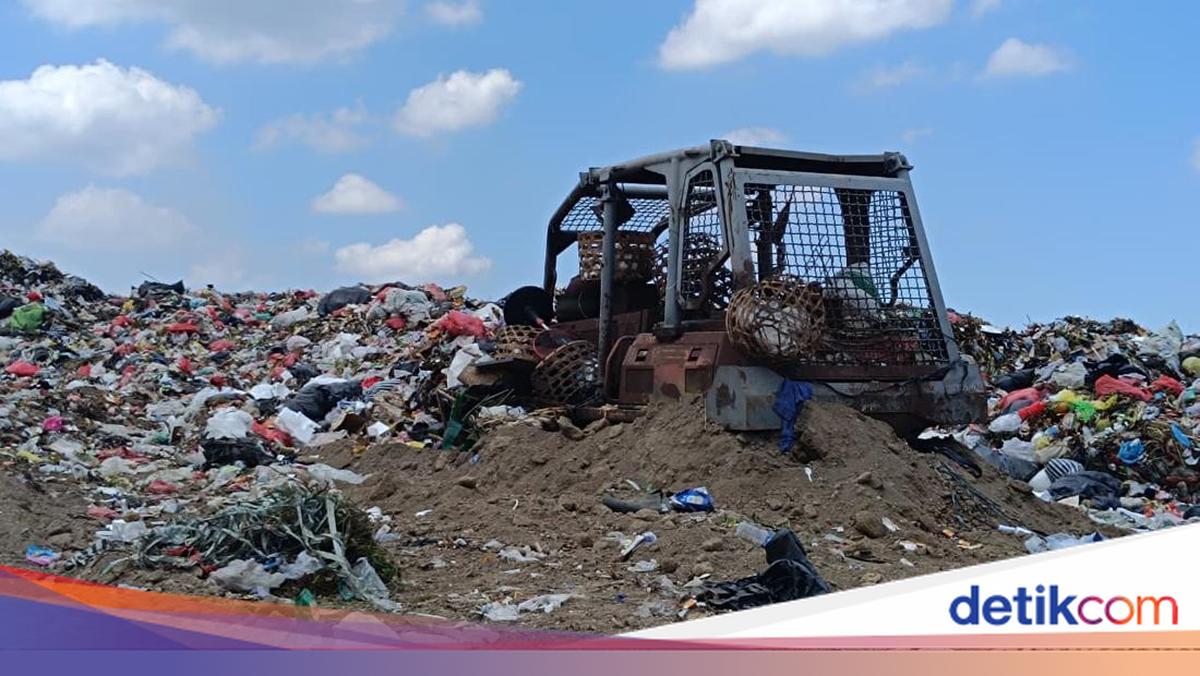
The volume of waste entering the Mandung Final Processing Site (TPA) in Sembung Gede Village, Kerambitan District, Tabanan, Bali, has declined drastically over the past month. The reduction is claimed to have reached 90 per cent since Tabanan Regent Circular Number 07/DLH/2026 concerning the Acceleration of Source-Based Waste Management Implementation came into effect on 1 May 2026.
The Head of the Tabanan Regency Waste and Faecal Sludge Management Technical Implementation Unit (UPTD), I Wayan Atmaja, claimed the circular has effectively suppressed the amount of waste entering TPA Mandung. Before the circular was enforced, he stated, incoming waste reached 150–200 tonnes per day, dominated by organic waste.
“From the initial 150–200 tonnes a day, it now averages 2–4 tonnes per day. In percentage terms, that is 90 per cent,” Atmaja said when confirmed on Friday (5/6/2026).
TPA Mandung currently only accepts shipments of residual waste. Nevertheless, Atmaja acknowledged there are still vehicles transporting mixed waste to TPA Mandung.
Atmaja emphasised that officers continue to inspect all shipments and provide advice so that waste is sorted before entering the TPA. According to him, the number of waste transport vehicles shuttling back and forth to TPA Mandung reaches 20 units daily.
“We check the volume first. If it is small, we advise sorting on site. But if it is large and cannot be sorted at the location, we advise taking it back,” he added.
The regulation also applies to members of the public bringing personal waste to TPA Mandung. Although it has been quite effective in suppressing waste entering the TPA, Atmaja assessed that public awareness regarding waste sorting is still not optimal.
“This has proven effective in suppressing waste entering the TPA. It is just that there is still a lot of unsorted waste and littering. Consequently, this increases the workload for field officers,” he concluded.