
Waste Banks Seen as Important to Strengthen Sorting at Source in Jakarta
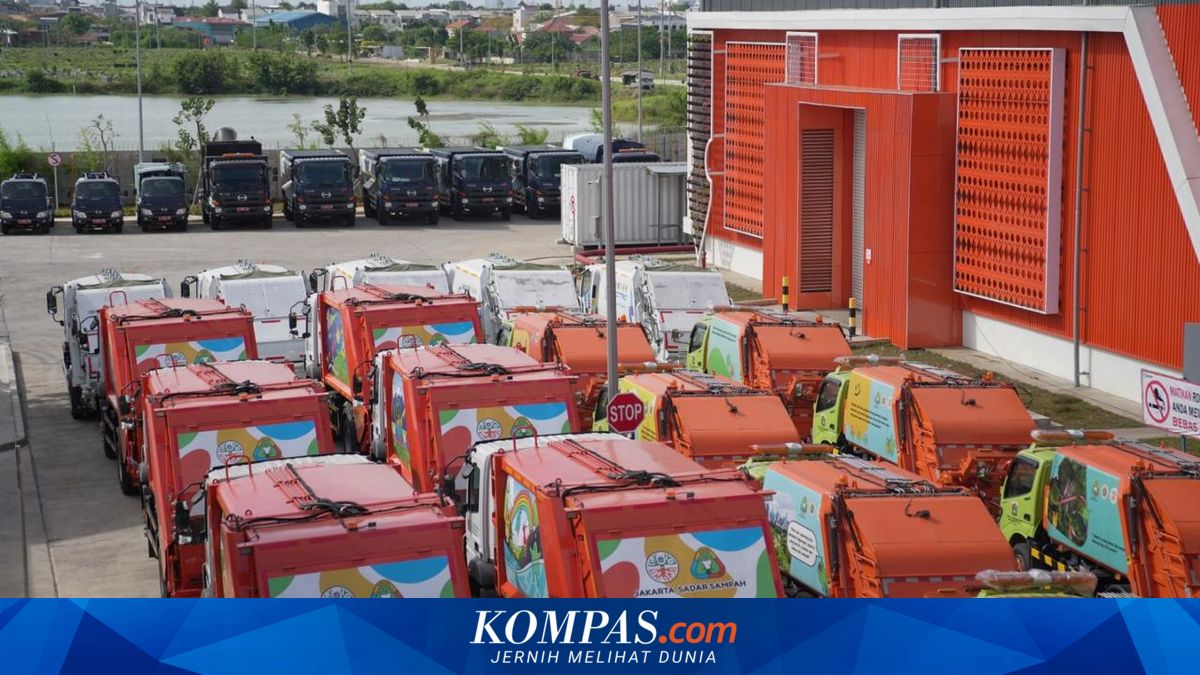
JAKARTA — The waste problem in Jakarta is no longer something that can be tackled solely by Bantargebang Integrated Waste Processing Facility (TPST Bantargebang). The Jakarta Provincial Government (Pemprov DKI Jakarta) is now promoting technology-based waste processing through Refuse-Derived Fuel (RDF). The role of waste banks is also strengthened so residents become accustomed to sorting waste from the household level.
The RDF technology itself is capable of reducing the volume of Jakarta’s waste, which reaches around 7,400 to 8,000 tonnes per day.
Head of the DKI Jakarta Environment Agency (DLH) DKI Jakarta, Dudi Gardesi, said RDF is currently a large-scale waste processing facility relied upon by the provincial government within the city.
‘The condition of TPST Bantargebang has approached its maximum capacity. At present RDF is the only large-scale waste processing facility in the city that can reduce the burden on Bantargebang,’ said Dudi when contacted via WhatsApp on Friday (22 May 2026).
According to Dudi, the main objective of building the RDF facility is to significantly reduce the volume of waste Jakarta transports to Bantargebang each day.
Currently, RDF Rorotan has a design capacity to process 2,500 tonnes of waste per day. However, operations are currently in the range of 400–700 tonnes per day and will be increased gradually to 1,000 tonnes per day by the end of 2026.
‘RDF Rorotan is also planned to receive only inorganic waste that has already been separated at the household level,’ said Dudi.
‘Maintaining and optimising household waste sorting at source, then managing the separated inorganic waste at the RDF facility,’ said Dudi.
According to him, the quality of RDF will be highly influenced by the characteristics of the waste processed.
‘The quality of RDF will correspond to the characteristics of the waste processed. The better the characteristics of the waste — in this case dominated by inorganic materials — the higher the quality of the RDF product is believed to be,’ he said.
Separately, analyst Mahawan Kurniasa notes that RDF indeed has great potential to be developed in Indonesia because urban waste volumes continue to rise, while many landfills are already in critical condition.