
Waskita Karya Supports Cultural and Economic Preservation Through Besakih Revitalisation
In the festive spirit of Galungan Day, thousands of Hindus gathered at the Sacred Besakih Complex to pray, surrounded by towering penjor decorations and a deeply spiritual atmosphere. Beyond its religious significance, the occasion showcased a cultural and spiritual experience that symbolises Indonesia’s rich civilisation, respected across diverse communities.
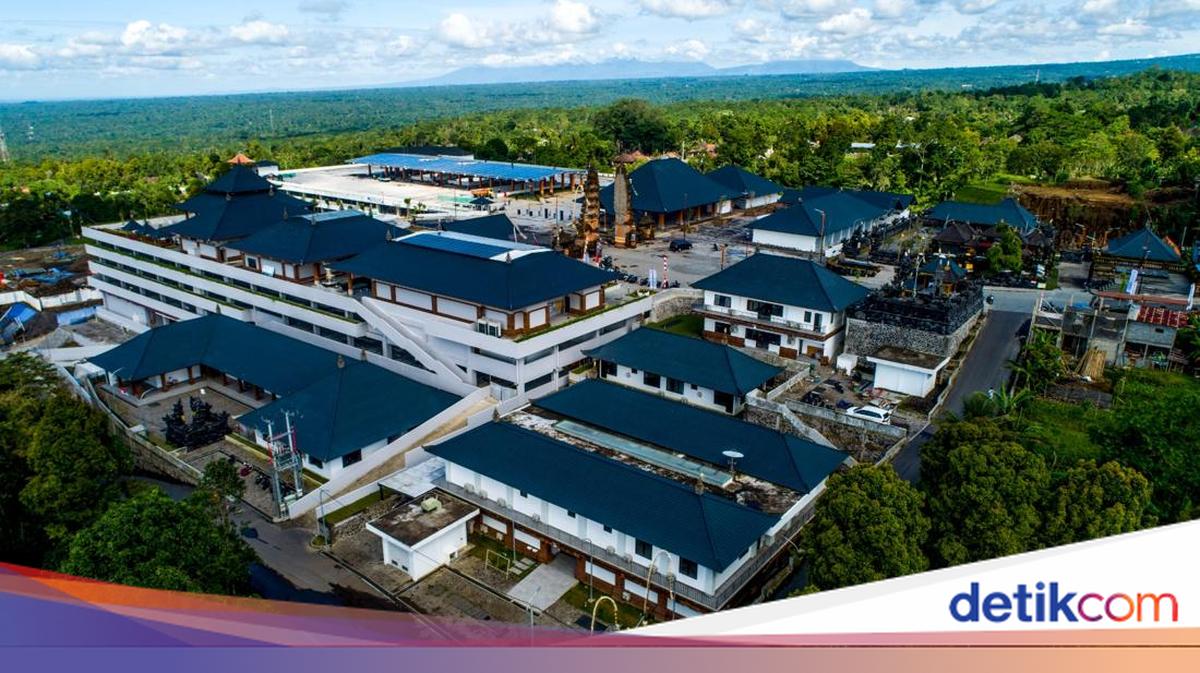
Amidst this sacred moment, PT Waskita Karya (Persero) Tbk has played a role in preserving one of the nation’s cultural masterpieces. Through the revitalisation of the Besakih Sacred Complex, completed in 2021 with a contract value of Rp 201 billion, the company contributed infrastructure that supports comfortable worship while safeguarding Bali’s cultural identity for future generations.
Corporate Secretary Ermy Puspa Yunita stated that infrastructure development holds meaning far beyond physical construction. “For Waskita, building is not just about creating sturdy structures, but also about preserving spaces for cultural values, spirituality, and community togetherness. We are honoured to contribute to an area that is not only a centre of Hindu worship but also a symbol of harmony between tradition, local wisdom, and Indonesia’s progress,” she said.
The Besakih revitalisation encompassed the construction and arrangement of various strategic facilities, including the Manik Mas courtyard, a motorcycle parking building, Wiyata Mandala, the Bencingah area, pedestrian paths, gardens, and other supporting infrastructure to improve accessibility and visitor comfort. The company also built social facilities such as a village office, village-owned enterprise centre, and a wantilan hall, reinforcing the area’s function as a hub for social and cultural community life.
Waskita made efforts to preserve the authenticity of the complex, which is believed to date back to the 8th century, ensuring that development remained aligned with its historical character. The project prioritised cultural heritage conservation by maintaining Balinese architectural characteristics rich in philosophy and historical value, achieved through collaboration with various stakeholders to ensure every element respected the area’s identity and sanctity.
Ermy noted that Besakih is more than a religious destination; it is a national cultural asset with global appeal. The area not only strengthens national cultural identity but also drives local economic growth through tourism, the creative economy, small and medium enterprises, and various socio-cultural activities flourishing around it.
Waskita believes that infrastructure built with respect for local culture creates sustainable benefits. Consequently, every company project is directed towards delivering broader added value, from improving community quality of life and preserving national cultural heritage to enhancing Indonesia’s global competitiveness.
The Galungan momentum serves as a reminder that cultural and religious diversity is a unifying strength for the nation. In line with this spirit, Waskita remains committed to building infrastructure that not only connects regions but also nurtures identity, strengthens tolerance, and opens inclusive growth opportunities for all Indonesians.
“The work on Besakih Temple further strengthens Waskita Karya’s track record in delivering strategic infrastructure rich in social value. This project underscores the company’s commitment as a state-owned construction enterprise to contribute to inclusive, sustainable development oriented towards creating long-term value for the nation,” Ermy explained.
Infrastructure does not merely construct spaces but also preserves meaning. Through the revitalisation of the Besakih Sacred Complex, Waskita aims to deliver benefits beyond construction: safeguarding the nation’s cultural heritage, reinforcing social harmony, and supporting sustainable economic growth. “For us, a project’s success is measured not only by the quality of its buildings but also by the social, cultural, and economic value that can be passed on to future generations. We believe that when culture is preserved, communities can grow, local economies can move, and harmony in diversity becomes stronger,” Ermy concluded.