
Waskita Karya Distributes Nearly 100 Sacrificial Animals Across Various Regions
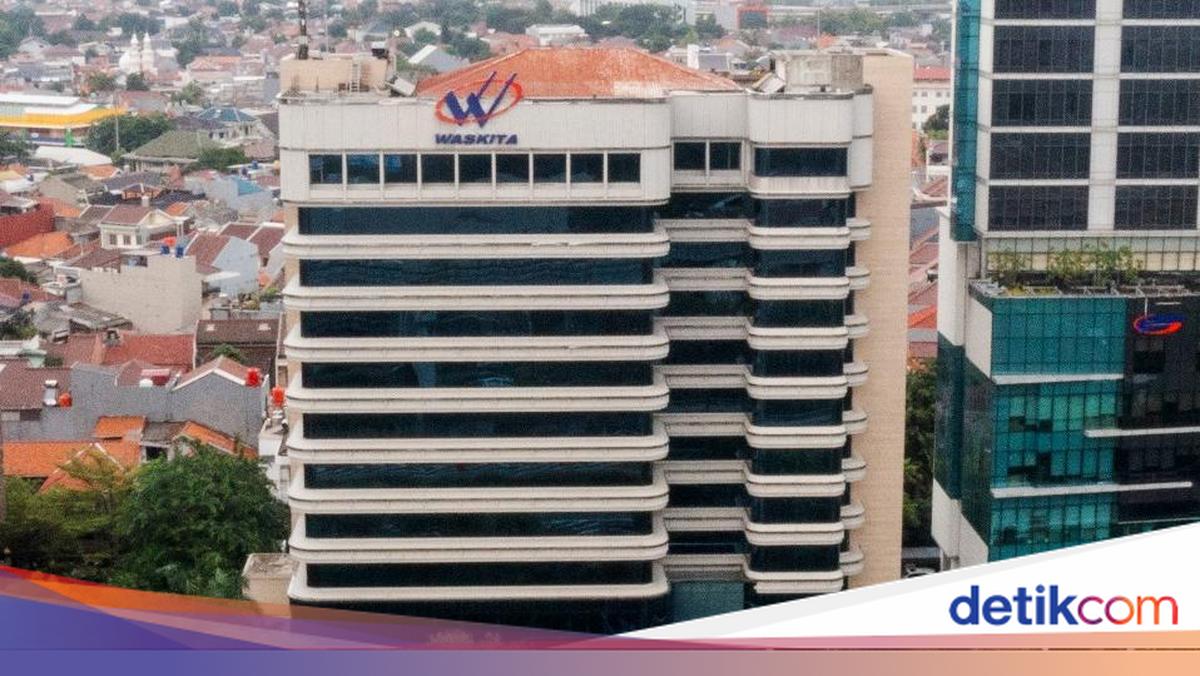
This year’s sacrificial animal distribution targeted communities near Waskita Karya’s Jakarta headquarters and strategic project sites. From Aceh to Merauke, including Sukabumi, Yogyakarta, South Sumatra, South Sulawesi, Makassar, the Nusantara Capital City, and Central Kalimantan, tens of cattle and goats were delivered. Waskita Karya Corporate Secretary Ermy Puspa Yunita confirmed all animals met high-quality standards, verified by Animal Health Certificates (SKKH).
“Through this year’s Eid al-Adha animal distribution, Waskita Karya is committed to instilling social values and strengthening ties with communities around projects. Sacrificing is not just about sharing meat, but conveying love, unity, and care through meaningful action,” Ermy said in a written statement on Tuesday (26 May 2026).
Ermy added that the distribution forms part of the company’s tangible contribution to harmonising infrastructure development with social sustainability. This year’s sacrificial animals were sourced from local farmers in various regions.
As a construction state-owned enterprise with over 65 years of experience, Waskita Karya has constructed five major mosques across Indonesia for communal Eid al-Adha prayers. These include Istiqlal Mosque in Jakarta, Baiturrahman Mosque in Aceh, Sheikh Zayed Mosque in Solo, Baiturrahman Mosque in Semarang, and Al-Akbar Mosque in Surabaya. The five mosques can accommodate up to 200,000 worshippers.
“The construction of these mosques represents the company’s contribution to providing worship facilities for Muslims. We want worshippers to pray with devotion, safety, and comfort,” Ermy said.
Baiturrahman Mosque in Aceh, one of the oldest mosques dating back to 1612, was designed to resemble Medina’s Prophet’s Mosque (Masjid Nabawi). It features 12 giant umbrellas and date palm trees around the courtyard, enhancing its resemblance to the Prophet’s Mosque. The 2015 renovation by Waskita retains its historical significance while modernising facilities.
Semarang’s Grand Baiturrahman Mosque, first inaugurated in December 1974, was renovated without significantly altering its structure but enhancing its grandeur and modernity. “The mosque’s design retains traditional Javanese architecture with limasan structures. We added features such as water features to create a cooler atmosphere around the mosque,” Ermy explained.
The Sheikh Zayed Mosque in Solo, a gift from the United Arab Emirates (UAE) to Indonesia, symbolises bilateral friendship. Completed on schedule in 2021, it incorporates green building innovations and modern technology. “The Solo Sheikh Zayed Mosque was built to resemble the Sheikh Zayed Mosque in Abu Dhabi, UAE. However, it features Solo-specific elements such as kawung batik motifs on floors and pillars to accommodate up to 15,000 worshippers,” Ermy said.
In 2022, Waskita Karya renovated Surabaya’s National Al-Akbar Mosque, enhancing its exterior and ensuring structural reliability and facility comfort for worshippers from across the country. Indonesia’s second-largest mosque can accommodate up to 45,000 worshippers, explaining why crowds flock there for Eid al-Adha prayers each year.
“Surabaya’s National Al-Akbar Mosque stands as an architectural masterpiece blending modern aesthetics with Islamic philosophy. Every corner is designed to create harmony, making it a religious icon in East Java,” Ermy said.
The company is also proud to have renovated Indonesia’s largest mosque, Istiqlal. Completed in 2021, it now features modern green building technologies.
“The five mosques built by Waskita symbolise Islamic civilisation across regions. We hope this year’s Eid al-Adha celebrations allow communities to pray with their families in solemnity and joy,” he concluded.