
Waru Market Traders Say Profits Shrink as Input Costs Rise
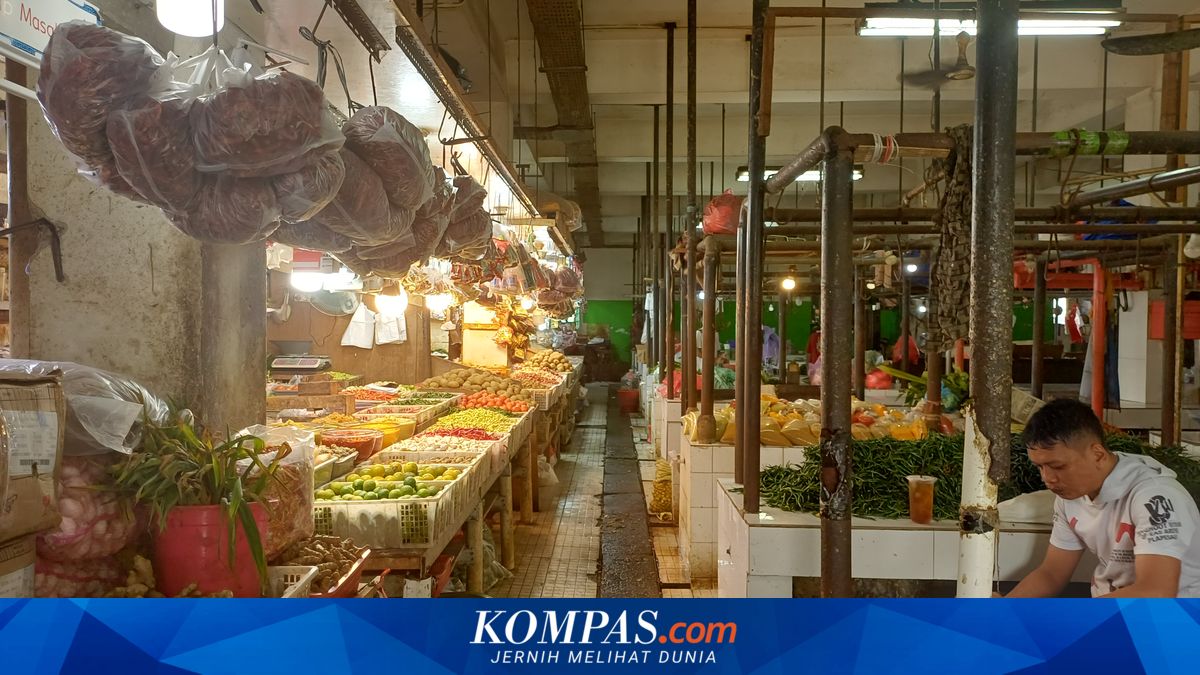
Traders at Waru Market in Lagoa, Koja, North Jakarta, say profits are thinning as the input prices for a range of food commodities have risen since Eid al-Fitr 2026. Hendri (45), one of the spice traders at Waru Market, said that increases in the prices of onions, chillies, and other staples have driven up trading capital costs. ‘So profits are getting thinner, you know. Because the inputs, the capital, have risen in price. Meanwhile, revenues are basically the same,’ he told Kompas.com on Friday, 22 May 2026. Meanwhile, the price of bird’s eye chilli now reaches Rp80,000 to Rp85,000 per kilogram. As a trader, he said he has no choice but to raise selling prices because prices at the wholesale market have also been steadily increasing. Nevertheless, he notes that the price rises for ingredients are most felt by consumers. The price increases across almost all ingredients are said to directly burden consumers. Similar complaints were voiced by Jaelani, 40, another vegetable trader. He said the trading capital required now is far higher than before. ‘If I compare, I used to have capital of Rp 10 million, now Rp 20 million is still not enough,’ Jaelani told Kompas.com on Friday. ‘Yes, the capital is large, but sales are not there. In the past, if goods were expensive there was demand, so turnover was good. Now even though buying is expensive, sales are sometimes not there.’ He hopes that prices of food commodities can stabilise again so that traders’ profits and the public’s purchasing power return to normal. ‘The hope is that prices will be cheaper again, stabilise again, and return to normal,’ added Jaelani.