
Warning! Matcha Prices Could Turn 'Bitter' Due to El Niño
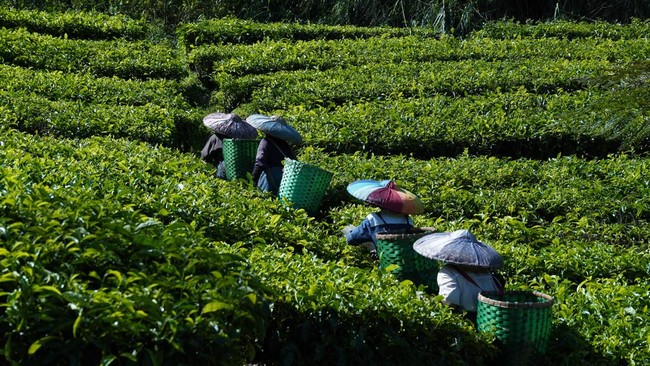
The threat of El Niño is now beginning to creep into the cup of matcha. This climate phenomenon arrives at a time when the global tea industry is already facing the pressures of climate change, while global demand for matcha is actually surging.
The Food and Agriculture Organization (FAO) has stated that El Niño has begun and is expected to strengthen until 2027, emphasising that global warming could intensify its impact. El Niño, occurring in an already warmer world, can shift rainfall patterns, increasing the risk of drought and extreme heat in several regions, while bringing excessive rain to others.
For the agricultural sector, this combination represents a significant risk. The FAO warns that the outlook for global food commodity markets remains heavily dependent on weather developments, including El Niño, as changes in temperature and rainfall can disrupt agricultural production.
Tea is becoming increasingly vulnerable to El Niño. Tea plants depend on specific climatic conditions, meaning changes in temperature and rainfall patterns can affect growth, productivity, and the character of the harvested leaves.
The FAO assesses that the tea industry plays a vital role in the income and livelihoods of millions of small-scale growers. Therefore, production disruptions caused by weather are not merely a matter of commodity supply, but can also affect the incomes of communities in tea-producing regions.
Climate pressure is also becoming more evident in Japan. Quoting New Scientist, rising temperatures are starting to pose a challenge to tea plants as they can suppress yields and affect the umami character that is a key feature of Japanese green tea. Researchers are now studying the use of genomics to identify tea varieties that are more resistant to high temperatures.
Producers are finding it increasingly difficult to increase matcha production. Pressure on tea is even more critical for matcha because its production process is far more specific. Matcha is made from tencha (tea leaves from the Camellia sinensis plant), which are grown under shade before being harvested, then steamed, dried, and ground into powder.
Quoting Tea Journey, matcha production cannot be increased rapidly because tea plants require several years to mature, while high-quality matcha can only be harvested during specific periods. Higher temperatures and low rainfall have also placed pressure on several major tea-producing regions in Japan.
Furthermore, Japan’s production capacity faces structural hurdles. According to Nikkei Asia, the tea harvesting area in Japan’s primary producing regions has shrunk by approximately 29% over the last decade, alongside a declining number of farmers and an ageing workforce. This means that when demand surges, producers cannot simply open new land and increase production in a short period.
On the other hand, demand is booming. Japanese green tea exports in 2025 surged by approximately 42% to 13,125 tonnes, with matcha accounting for about 70% of that export volume. This situation has made the matcha supply-demand balance tight even before the full impact of the next El Niño is visible.
Price pressures have already emerged. The price of tencha surged by approximately 220% in 2025 amidst increasing demand and limited supply. This pressure is exacerbated by land and labour constraints, as well as increasingly unpredictable weather.
Consequently, while El Niño may not automatically cause matcha prices to skyrocket, it could act as additional pressure on an already tight market. If extreme heat or changing rainfall patterns once again pressure Japanese tea harvests while global demand remains high, the matcha supply could become even more limited, and prices have the potential to remain high.